
Salary, Cost of Living & Best Neighborhoods in Williamson, TX
Williamson, TX
Overview Of Salary And Cost Of Living In Williamson TX
Williamson County, TX, located just north of Austin, has become one of the fastest‑growing areas in Central Texas. Residents are drawn by strong job growth, highly rated schools, and a relatively high quality of life. However, with rapid growth comes rising housing costs and shifting salary expectations. Understanding the salary and cost of living in Williamson, TX is essential for anyone considering relocating to the area, changing jobs, or investing in property.
In the following sections, we will explore average salaries, overall cost of living, home values and rents, the best neighborhoods, and schools in Williamson County, TX. This information will help you determine whether living in Williamson, TX aligns with your financial goals and lifestyle preferences.
Average Salary In Williamson TX
Williamson County benefits greatly from its proximity to Austin’s booming tech and healthcare job markets. Many residents either work within the county in cities such as Round Rock, Georgetown, and Cedar Park, or commute to major employers in Austin’s metro area. As a result, average salaries in Williamson, TX tend to be competitive when compared with state averages.
Below is an approximate breakdown of typical annual salaries across common job categories in Williamson County, TX:
| Job Category | Typical Salary Range (Annual) | Notes |
|---|---|---|
| Technology & Software | $80,000 – $130,000 | Driven by proximity to Austin’s tech corridor |
| Healthcare (RN, Allied Health) | $65,000 – $100,000 | Strong demand in regional hospitals and clinics |
| Education (K–12 Teachers) | $55,000 – $75,000 | Competitive pay in major Williamson County school districts |
| Skilled Trades | $50,000 – $85,000 | Construction and home services fueled by rapid growth |
| Retail & Hospitality | $30,000 – $45,000 | Abundant in shopping and dining hubs like Round Rock |
| Business & Professional Services | $60,000 – $110,000 | Includes finance, marketing, and management roles |
Overall, many professionals find that Williamson, TX offers a solid balance of earnings potential and lifestyle, especially when salaries are paired with a still‑moderate tax burden and no state income tax in Texas. However, because housing prices and rents have risen quickly, it is important to evaluate incomes in the context of total living expenses.
Cost Of Living In Williamson TX
The cost of living in Williamson, TX has historically been lower than in central Austin, but the gap has narrowed in recent years. Even so, many residents still view Williamson County as a slightly more affordable alternative that offers suburban comfort and excellent amenities. When evaluating the overall cost of living in Williamson, TX, it is useful to consider housing, transportation, groceries, utilities, and healthcare.
The following chart provides a visual comparison of Williamson County’s cost of living index with national and statewide averages (with 100 representing the national baseline):
| Location | Overall Cost Of Living Index |
|---|---|
| United States Average | 100 |
| Texas Average | 93 – 95 |
| Williamson County TX | 105 – 110 |
While Williamson County sits slightly above both the national and Texas averages, most of this difference is driven by housing costs. Everyday expenses such as groceries, utilities, and healthcare often remain close to or slightly below national norms, making it feasible for many families to maintain a comfortable lifestyle if income levels are sufficient.
Another advantage is that Texas has no state income tax, which can offset some of the higher housing and property tax expenses. Residents should, however, budget carefully for property taxes, which tend to be higher than the national average and are a significant component of the cost of living in Williamson, TX.
Average Home Values And Rents In Williamson TX
Housing is the most critical factor in understanding the real cost of living in Williamson, TX. As the county has grown, demand for homes has increased rapidly, pushing prices higher. Nonetheless, compared with many other fast‑growing metro markets across the country, Williamson County still provides relatively good value, particularly for new construction and master‑planned communities.
The table below illustrates approximate average home values and rents in Williamson, TX across popular housing types:
| Housing Type | Average Price / Rent | Typical Characteristics |
|---|---|---|
| Single‑Family Home (Countywide Average) | $420,000 – $500,000 | 3–4 bedrooms, newer construction common in suburban areas |
| Entry‑Level Single‑Family Home | $350,000 – $400,000 | Often smaller lots and modest finishes, ideal for first‑time buyers |
| Townhome / Condo | $280,000 – $350,000 | Lower maintenance, frequently located near major corridors |
| Apartment Rent (1 Bedroom) | $1,300 – $1,700 per month | Varies by city core, amenities, and age of property |
| Apartment Rent (2 Bedroom) | $1,700 – $2,200 per month | Popular among small families and roommates |
| Single‑Family Home Rent | $2,200 – $2,900 per month | Suburban neighborhoods with yards and garages |
Because housing costs vary substantially from city to city, those seeking the most affordability may look toward emerging areas on the fringes of Williamson County, while those wanting top‑tier schools and amenities often pay a premium in more established neighborhoods. Careful comparison of mortgage or rent payments with expected salary is essential when evaluating a move to Williamson, TX.
Best Neighborhoods In Williamson TX
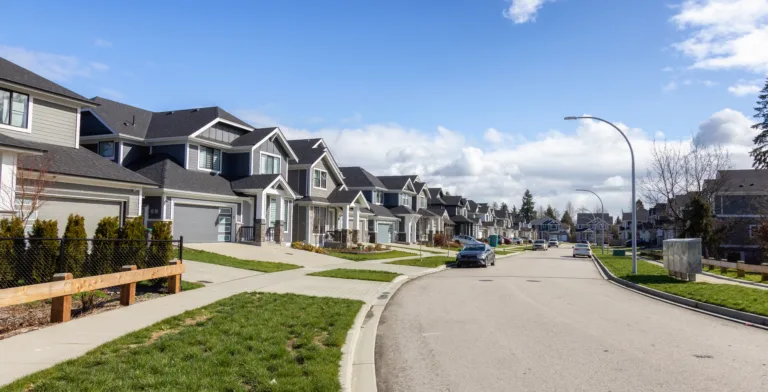
Williamson County encompasses a diverse collection of cities and communities, each with its own character. When searching for the best neighborhoods in Williamson, TX, buyers and renters often weigh commute times, school quality, community amenities, and home prices.
Below is a snapshot of several well‑regarded areas within Williamson County:
| Neighborhood / City | Highlights | General Price Point |
|---|---|---|
| Round Rock TX | Major employment centers, shopping, and entertainment; home to Dell and multiple medical facilities. | Moderate to upper‑moderate; diverse mix of older and newer homes. |
| Cedar Park TX | Highly rated schools, family‑friendly master‑planned communities, easy access to Austin. | Moderate to higher; strong demand for newer subdivisions. |
| Georgetown TX | Charming historic downtown, scenic San Gabriel River, and a mix of new developments and established neighborhoods. | Moderate; historic homes near downtown and new builds in suburban tracts. |
| Leander TX | Rapidly growing, newer master‑planned communities, expanding commuter rail access. | Moderate; some relative value compared with neighboring Cedar Park. |
| Hutto TX | More affordable options, small‑town feel with quick access to Round Rock and Pflugerville. | Lower to moderate; attractive to first‑time buyers. |
| Liberty Hill TX & Surrounding Rural Areas | Larger lots, semi‑rural lifestyle, newer subdivisions blended with open spaces. | Moderate; prices vary based on acreage and amenities. |
For those looking to balance salary, cost of living, and quality of life in Williamson, TX, exploring these communities in person can be invaluable. Each area offers its own mix of parks, shopping centers, and community events, contributing to the overall appeal of Williamson County as a place to live and work.
Schools In Williamson TX
Schools are a major driver of demand and home values in Williamson County, TX. Families frequently move to the area specifically for its strong public school districts and access to higher education. As a result, schools in Williamson, TX are closely linked with both neighborhood desirability and long‑term property appreciation.
Key public school districts serving Williamson County include:
| School District | Cities Served | General Reputation |
|---|---|---|
| Round Rock ISD | Round Rock, portions of Austin and Cedar Park | Widely regarded for strong academics, advanced programs, and extracurriculars. |
| Leander ISD | Cedar Park, Leander, parts of Georgetown | Known for college‑prep focus and comprehensive fine arts and athletics. |
| Georgetown ISD | Georgetown | Respected for community engagement and expanding academic offerings. |
| Hutto ISD | Hutto | Growing district with increasing facilities and programs. |
| Liberty Hill ISD | Liberty Hill and nearby areas | Popular among families seeking a smaller‑district feel. |
Higher education options include campuses of Austin Community College, Southwestern University in Georgetown, and nearby universities in the greater Austin area. These institutions support the local workforce and enhance the overall economic profile of Williamson, TX, often contributing to higher average salaries and a more diversified job market.
Living In Williamson TX Balancing Salary And Lifestyle
Williamson County, TX offers a compelling proposition for professionals, families, and retirees. Competitive salaries, strong schools, and a vibrant mix of communities make it an attractive alternative to living directly in Austin’s urban core. While the cost of living, particularly housing, has risen, many residents find that the combination of earnings potential, amenities, and no state income tax creates a favorable long‑term outlook.
By carefully evaluating average salaries, housing prices, neighborhood options, and school quality in Williamson, TX, you can determine whether this growing Central Texas county aligns with your financial plans and lifestyle expectations. As the region continues to expand, staying informed about local market trends will help you make confident decisions about living, working, or investing in Williamson, TX.
Living in Williamson County, TX: Frequently Asked Questions
What is the cost of living like in Williamson County, TX?
The cost of living in Williamson County is generally moderate compared to many major U.S. metro areas but can be higher than some other parts of Texas. Housing is typically the largest expense, with home prices and rents influenced by proximity to Austin and demand in popular suburbs like Round Rock, Georgetown, and Cedar Park. Property taxes in Texas can be relatively high, which affects overall housing costs. Everyday expenses such as groceries, utilities, transportation, and healthcare are near or slightly below the national average, depending on the city and neighborhood. Overall, many residents find the balance of cost, amenities, and quality of life favorable compared to other fast-growing regions.
What are the job opportunities and major industries in Williamson County?
Williamson County benefits from its proximity to Austin and has a diverse and growing job market. Major industries include technology, advanced manufacturing, healthcare, education, retail, and professional services. Many residents work in tech-related roles for companies located in or near Round Rock, Cedar Park, and the broader Austin metro, including employers in semiconductor, software, and hardware sectors. Healthcare systems, school districts, local government, and regional retail centers also provide significant employment. The county’s ongoing population growth and business-friendly climate continue to attract new companies, offering a mix of white-collar and skilled-trade opportunities.
How is the school system and education quality in Williamson County?
Williamson County is known for having several highly regarded public school districts, including Round Rock ISD, Leander ISD, Georgetown ISD, Hutto ISD, and others. Many campuses receive strong ratings for academic performance, extracurricular offerings, and college readiness. Families can also choose from a range of charter and private schools, along with programs for special education and gifted students. For higher education, the county and surrounding area offer access to community college campuses, trade and technical programs, and nearby universities in the greater Austin region. As with any area, school quality can vary by neighborhood, so prospective residents often review district and campus data when choosing where to live.
What is the lifestyle and community atmosphere like in Williamson County?
Williamson County offers a blend of suburban comfort, small-town charm, and access to urban amenities. Communities like Round Rock, Cedar Park, and Georgetown feature family-friendly neighborhoods, master-planned communities, parks, and recreation centers. Residents enjoy a variety of outdoor activities, including trails, sports facilities, golf courses, and nearby lakes. Historic downtowns in cities such as Georgetown provide local shops, restaurants, cultural events, and seasonal festivals. The overall atmosphere is generally community-oriented and relatively laid back, with many residents commuting to jobs in and around Austin while returning home to quieter neighborhoods and strong local identities.
What should I know about transportation and commuting in Williamson County?
Transportation in Williamson County is largely car-dependent, with most residents relying on personal vehicles for daily commuting and errands. Major roadways such as I-35, SH 130, and US 183 serve the area, and traffic congestion can be significant during peak hours, particularly for those commuting toward Austin. Limited public transportation services are available in some cities and through regional transit options, but coverage is not as extensive as in larger urban centers. Many neighborhoods are designed with convenient access to shopping, schools, and services, which can reduce commute times for those who work locally. Prospective residents often consider proximity to major highways and employment centers when choosing where to live in the county.


latest video

news via inbox
Sign up to get local tips delivered to your inbox.