
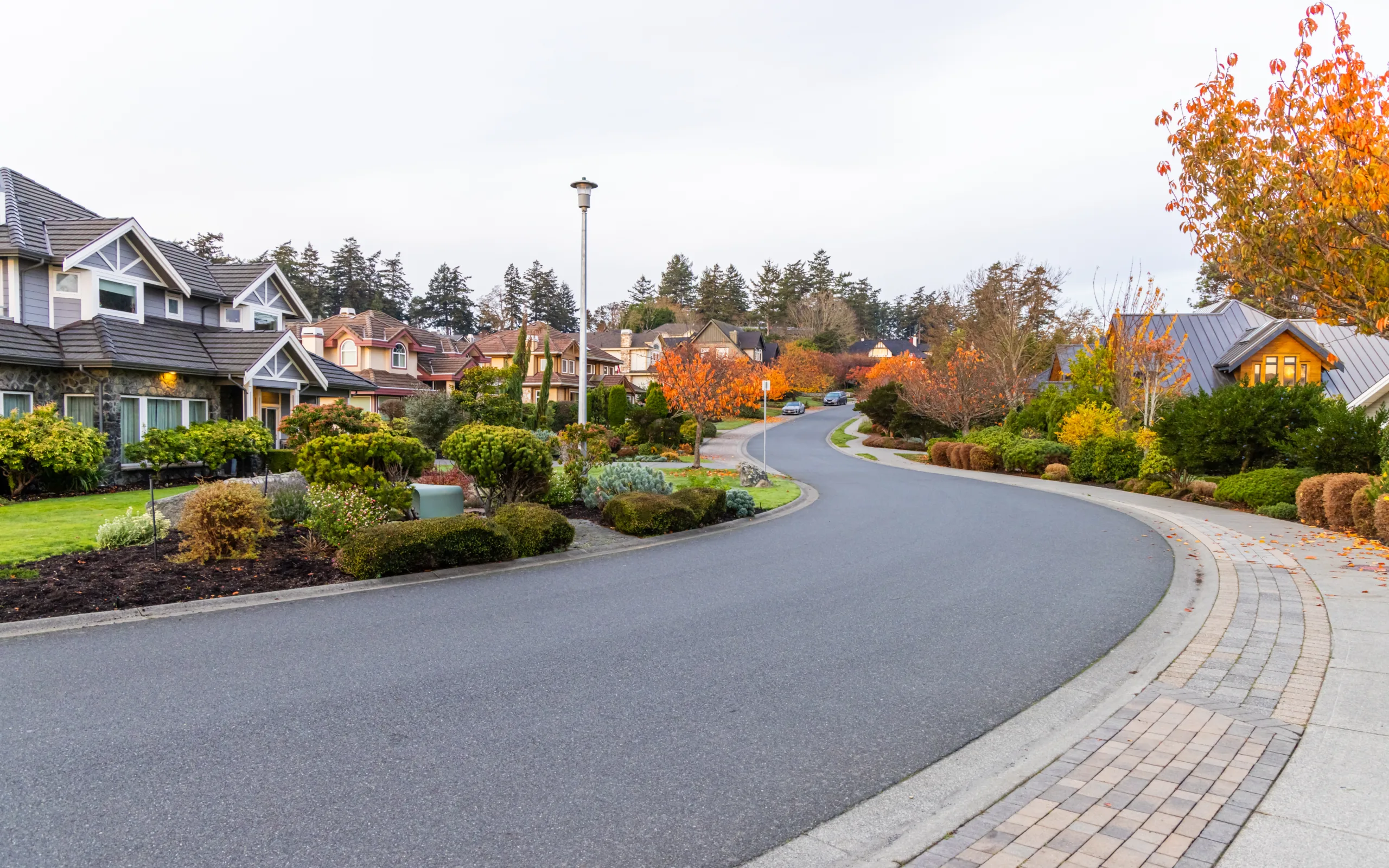
Salary, Cost of Living & Best Neighborhoods in Wichita, KS
Wichita, KS
Salary And Cost Of Living In Wichita KS
Wichita, Kansas, often called the “Air Capital of the World,” offers a compelling balance of income potential and affordability. For professionals, families, and retirees evaluating a move, understanding the salary levels, cost of living, housing market, neighborhoods, and schools in Wichita KS is essential. Compared with many larger metros, Wichita provides a relatively high quality of life at a lower cost, making it attractive for those seeking value without sacrificing amenities.
Average Salary In Wichita KS
The average salary in Wichita KS reflects the city’s diverse economy, which includes aviation, healthcare, manufacturing, education, and professional services. While wages vary by industry and experience, incomes here often stretch further because everyday expenses are lower than the national average.
Below is an illustrative overview of typical annual salaries across common roles in the Wichita labor market:
| Occupation | Typical Salary Range |
|---|---|
| Registered Nurse | $60,000 – $78,000 |
| Elementary School Teacher | $48,000 – $62,000 |
| Mechanical Engineer | $70,000 – $95,000 |
| Software Developer | $75,000 – $105,000 |
| Customer Service Representative | $32,000 – $42,000 |
| Retail Sales Associate | $26,000 – $34,000 |
| Administrative Assistant | $35,000 – $47,000 |
| Skilled Trades (Electrician/Plumber) | $50,000 – $75,000 |
When assessing career opportunities, it is helpful to compare potential earnings against the region’s living expenses. In many cases, moderate salaries in Wichita KS can deliver a lifestyle comparable to higher-paying roles in more expensive cities, especially for households that manage housing and transportation costs carefully.
Cost Of Living In Wichita KS
The cost of living in Wichita KS is one of the city’s biggest advantages. Housing, in particular, tends to be significantly more affordable than in coastal markets and many large metropolitan areas. Groceries, utilities, and transportation also align favorably with national averages.
Below is a sample comparison to illustrate relative costs, using an index where 100 represents the approximate U.S. average:
| Category | Wichita KS | U.S. Average |
|---|---|---|
| Overall Cost Of Living | ~85 | 100 |
| Housing | ~70 | 100 |
| Groceries | ~95 | 100 |
| Utilities | ~98 | 100 |
| Transportation | ~90 | 100 |
| Healthcare | ~95 | 100 |
For many residents, this lower cost means that day-to-day expenses in Wichita KS are more manageable, even when incomes are comparable to or slightly below national averages. Everyday items such as dining out, entertainment, and local services generally remain within reach for a wide range of budgets.
Average Home Values And Rents In Wichita KS
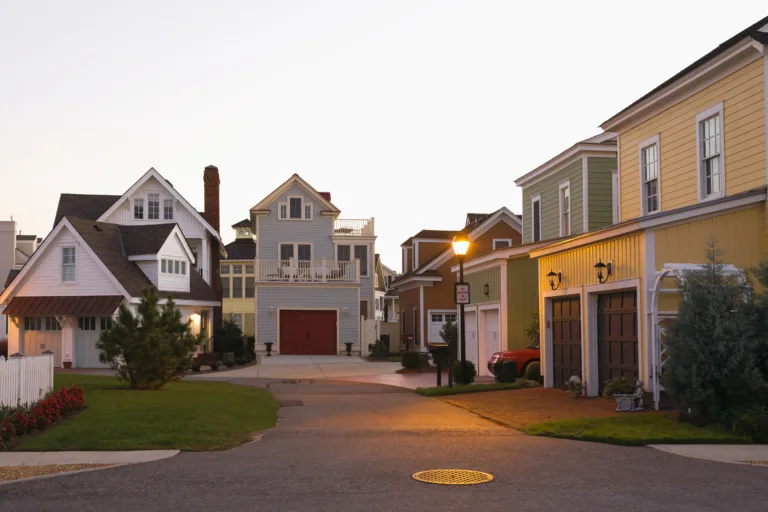
Understanding average home values and rents in Wichita KS is essential for anyone planning to buy or lease. The city offers a mix of historic neighborhoods, new developments, and suburban-style communities, which creates a broad price spectrum for both homeowners and renters.
The following table presents a general snapshot of housing costs in the Wichita area:
| Housing Type | Typical Price Or Rent |
|---|---|
| Median Single-Family Home Value | $190,000 – $230,000 |
| Entry-Level Single-Family Home | $150,000 – $190,000 |
| Newer Construction Single-Family Home | $260,000 – $375,000+ |
| 1-Bedroom Apartment Rent | $700 – $900 per month |
| 2-Bedroom Apartment Rent | $850 – $1,200 per month |
| 3-Bedroom Single-Family Rental | $1,200 – $1,700 per month |
To visualize how housing costs compare with incomes, consider the simplified chart below, which aligns typical household income ranges with common housing scenarios in Wichita KS:
| Household Income | Likely Housing Options |
|---|---|
| $40,000 – $55,000 | Smaller starter homes, many 1–2 bedroom rentals |
| $55,000 – $80,000 | Wide range of 3-bedroom homes and townhomes, newer apartments |
| $80,000 – $120,000+ | Larger homes in higher-demand neighborhoods, new construction communities |
Overall, housing affordability in Wichita KS remains a major draw, especially for first-time homebuyers and renters relocating from high-cost markets.
Best Neighborhoods In Wichita KS
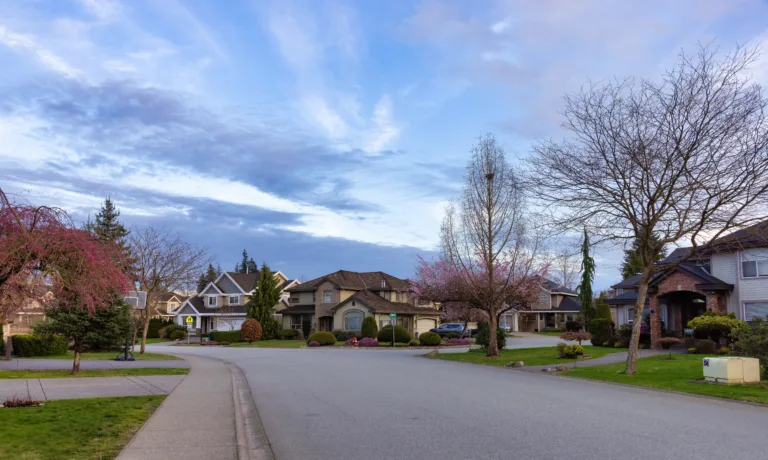
The best neighborhoods in Wichita KS range from walkable historic districts to family-friendly suburbs. Preferences will vary based on lifestyle, commute, and budget, but several areas consistently appear on many buyers’ and renters’ shortlists.
| Neighborhood Or Area | Key Features |
|---|---|
| East Wichita | Shopping corridors, established subdivisions, convenient access to major employers, mix of mid-range and higher-end homes. |
| Northwest Wichita | Family-oriented communities, newer developments, parks and recreational spaces, relatively easy highway access. |
| College Hill | Historic charm, tree-lined streets, older homes with character, strong sense of community, close to local eateries and cafes. |
| Downtown And Old Town | Lofts and apartments, nightlife, restaurants, cultural venues, ideal for professionals who value a more urban lifestyle. |
| Andover (Nearby Suburb) | Suburban setting just east of Wichita, newer homes, reputation for strong schools, often popular with families. |
| Maize (Nearby Suburb) | Growing suburban area to the northwest, newer subdivisions, family-friendly, convenient to Northwest Wichita amenities. |
When choosing a neighborhood in the Wichita KS area, it is wise to consider commute time, access to schools, nearby shopping and healthcare, and long-term resale potential. Working with a local real estate professional can help narrow options according to your budget and lifestyle priorities.
Schools And Education In Wichita KS
For households with children, the quality of schools in Wichita KS is an important factor in relocation decisions. The region includes a mix of public school districts, private schools, and charter options, as well as several colleges and universities that contribute to educational and cultural life.
Below is a high-level overview of key school systems serving the Wichita area:
| School Or District | Type | Notable Attributes |
|---|---|---|
| Wichita Public Schools (USD 259) | Public K–12 | Largest district in Kansas, diverse student body, magnet and specialty programs, wide range of academic and extracurricular offerings. |
| Andover Public Schools | Public K–12 (Suburban) | Widely regarded for strong academics and activities, often cited by families seeking high-performing schools near Wichita. |
| Maize USD | Public K–12 (Suburban) | Rapidly growing district northwest of Wichita, modern facilities, popular among families in newer subdivisions. |
| Local Private And Parochial Schools | Private K–12 | Faith-based and independent options across the city, offering smaller class sizes and specialized programs. |
| Wichita State University | Higher Education | Major research university, strong business, engineering, and health sciences programs, contributes to local innovation and workforce development. |
| Friends University & Newman University | Higher Education | Smaller universities that provide additional undergraduate and graduate degree options, supporting lifelong learning in the region. |
Because education quality can vary by specific school attendance area within Wichita KS, many families review school ratings, tour campuses, and discuss options with local residents or real estate professionals before finalizing a move.
Living And Working In Wichita KS
When all factors are considered—average salary levels, cost of living, housing affordability, neighborhood variety, and educational options—Wichita KS emerges as a city that delivers strong overall value. While salaries may not always match those in major coastal hubs, residents frequently find that lower housing and everyday expenses more than offset the difference.
For professionals seeking career growth without the financial pressure of extremely high rents or home prices, for families prioritizing space and schools, and for retirees looking to maximize fixed incomes, Wichita Kansas offers a balanced, sustainable lifestyle. By carefully comparing income potential with the local cost structure and exploring neighborhoods and schools that align with personal goals, individuals and families can make informed decisions about living and working in Wichita KS.
Frequently Asked Questions About Living in Wichita, KS
What is the cost of living like in Wichita, KS?
What are the job opportunities and major industries in Wichita?
What is the climate like in Wichita throughout the year?
How is the quality of life, including schools and healthcare, in Wichita?
What recreational and cultural activities are available in Wichita?


latest video


news via inbox
Sign up to get local tips delivered to your inbox.