
Salary, Cost of Living & Best Neighborhoods in Whittier, CA
Whittier, CA
Overview Of Salary And Cost Of Living In Whittier CA
Whittier, CA, located in southeastern Los Angeles County, offers a blend of suburban comfort, historic charm, and convenient access to major employment hubs. As more professionals and families consider moving to this community, understanding the salary levels, cost of living, housing market, and schools in Whittier becomes essential. This guide provides a detailed look at these factors and is designed to help both current residents and potential newcomers make informed decisions about living and working in Whittier, California.
Average Salary In Whittier CA
When evaluating a move to Whittier, CA, one of the first considerations is the average salary for local workers. Due to Whittier’s proximity to Los Angeles and Orange County, many residents commute to nearby job centers, which helps keep income levels relatively competitive with the broader region.
While exact figures vary by industry, experience, and education, the table below offers a general snapshot of typical salary ranges in Whittier, CA for common job categories:
| Occupation Category (Whittier, CA) | Estimated Average Annual Salary |
|---|---|
| Registered Nurse | $95,000 – $115,000 |
| Public School Teacher | $70,000 – $90,000 |
| Administrative / Office Support | $45,000 – $60,000 |
| Retail & Customer Service | $35,000 – $50,000 |
| Information Technology Professional | $95,000 – $130,000 |
| Skilled Trades (Electrician, Plumber, etc.) | $60,000 – $90,000 |
| Hospitality & Food Service | $32,000 – $45,000 |
Overall, household incomes in Whittier, CA tend to be close to or slightly above the national average, reflecting the higher cost of living across Southern California. Residents working in healthcare, education, and professional services often find that Whittier’s earnings potential, combined with its relatively moderate housing prices compared to coastal cities, provides a balanced lifestyle.
Cost Of Living In Whittier CA
The cost of living in Whittier, CA is influenced by housing expenses, transportation, utilities, groceries, and healthcare. While Whittier is more affordable than many coastal communities like Santa Monica or Newport Beach, it is still part of the greater Los Angeles region, which means overall costs are higher than the national average.
The following chart-style table offers a simplified comparison of cost categories in Whittier relative to national baselines:
| Cost Category | Whittier, CA Index* | National Average Index = 100 |
|---|---|---|
| Overall Cost Of Living | 135 | 100 |
| Housing | 160 | 100 |
| Groceries | 110 | 100 |
| Transportation | 125 | 100 |
| Utilities | 105 | 100 |
| Healthcare | 105 | 100 |
*Index values are approximate and used for illustrative, local SEO–friendly comparison.
From this breakdown, it is clear that housing and transportation are the primary drivers of higher living costs in Whittier, CA. Commuters often factor in fuel costs, vehicle maintenance, and potential tolls, especially if they work in downtown Los Angeles or Orange County. However, these higher costs are partially offset by competitive wages and access to a broad range of employment opportunities in the region.
Average Home Values And Rents In Whittier CA
A crucial piece of the affordability puzzle is the real estate market in Whittier, CA. Home values and rental rates have increased in recent years, reflecting strong demand for well-located suburban communities near major freeways and job centers. Whittier’s neighborhoods range from historic districts with charming older homes to newer developments and multifamily properties.
The table below highlights approximate average home values and rental prices in Whittier, CA:
| Property Type (Whittier, CA) | Estimated Median Price / Monthly Rent |
|---|---|
| Single-Family Home (Median Value) | $800,000 – $900,000 |
| Condominium / Townhome (Median Value) | $550,000 – $700,000 |
| One-Bedroom Apartment (Average Rent) | $1,900 – $2,300 per month |
| Two-Bedroom Apartment (Average Rent) | $2,300 – $2,800 per month |
| Three-Bedroom Single-Family Rental | $3,000 – $3,800 per month |
While these prices can be higher than the national average, Whittier, CA is often considered more attainable than many other parts of Los Angeles County, especially for buyers seeking a single-family home. Additionally, the city’s relative stability, mature tree-lined streets, and established infrastructure contribute to long-term value for both homeowners and investors.
Best Neighborhoods In Whittier CA
Choosing where to live within Whittier, CA requires balancing budget, commute, school preferences, and lifestyle. The city offers a variety of neighborhoods, each with unique characteristics. Many homebuyers and renters look for areas that combine convenient access, safety, and strong community identities.
The following table summarizes some of the best neighborhoods in Whittier, CA and their defining features:
| Neighborhood (Whittier, CA) | Key Characteristics |
|---|---|
| Friendly Hills | Upscale area with larger lots, golf course views, and many custom homes; popular with established professionals and families. |
| Uptown Whittier | Historic district with charming older homes, walkable streets, restaurants, and boutiques; ideal for those who enjoy a vibrant, urban-suburban feel. |
| Michigan Park | Primarily residential, with mid-century homes, parks, and a strong community atmosphere; appealing for families and long-term residents. |
| East Whittier | Mix of single-family homes and townhomes, with convenient access to shopping corridors and schools; often more moderately priced. |
| Whittier Hills Area | Hillside properties, scenic views, and access to hiking trails and open space preserves; ideal for outdoor enthusiasts. |
Because these neighborhoods vary in housing stock and price points, prospective residents in Whittier, CA can typically find options that align with a range of budgets and lifestyle preferences. Working with a local real estate professional who understands micro-market trends in Whittier can be especially beneficial.
Schools And Education In Whittier CA
Another critical factor in the overall quality of life and cost considerations is the school system in Whittier, CA. Strong public schools can support property values and reduce the need for private school tuition, while higher education institutions add cultural and economic vibrancy to the community.
Whittier is primarily served by several school districts, including the Whittier City School District, East Whittier City School District, and Whittier Union High School District. Families can also access a variety of private and parochial school options. In addition, Whittier College, a private liberal arts institution, is located in the city, contributing to the area’s academic and cultural life.
The chart-style table below highlights representative educational options in Whittier, CA:
| School / Institution (Whittier, CA) | Type | Notable Features |
|---|---|---|
| Whittier High School | Public High School | Historic campus, diverse academic and extracurricular programs, and strong community traditions. |
| California High School | Public High School | College-prep curriculum, athletics, and arts programs serving a broad student population. |
| La Serna High School | Public High School | Well-regarded academics and athletics, with a focus on college readiness. |
| East Whittier Middle Schools & Elementary Schools | Public K–8 | Neighborhood-based campuses with community involvement and varied enrichment programs. |
| Whittier Christian Schools & Other Private Schools | Private / Parochial | Faith-based education options, smaller class sizes, and specialized curricula. |
| Whittier College | Private Liberal Arts College | Undergraduate programs, campus events, and cultural activities that enhance the local community. |
Because education quality can significantly influence housing decisions and overall cost of living in Whittier, CA, many families research test scores, programs, and campus cultures before settling on a specific neighborhood.
Final Thoughts On Living And Working In Whittier CA
When all factors are considered, Whittier, CA offers a compelling balance of salary potential, cost of living, and quality of life. The city’s average incomes align with the broader Los Angeles region, while its housing costs, though higher than the national norm, remain relatively competitive for Southern California. Residents benefit from a variety of neighborhoods, each with distinct character, as well as a comprehensive mix of public and private schools and access to higher education.
For professionals and families who value suburban comfort, historic charm, and easy access to major job markets, Whittier, California stands out as a desirable place to live and work. By carefully weighing salary expectations against housing prices, daily expenses, and educational opportunities, individuals can make informed choices that support both their financial goals and their lifestyle aspirations in Whittier, CA.
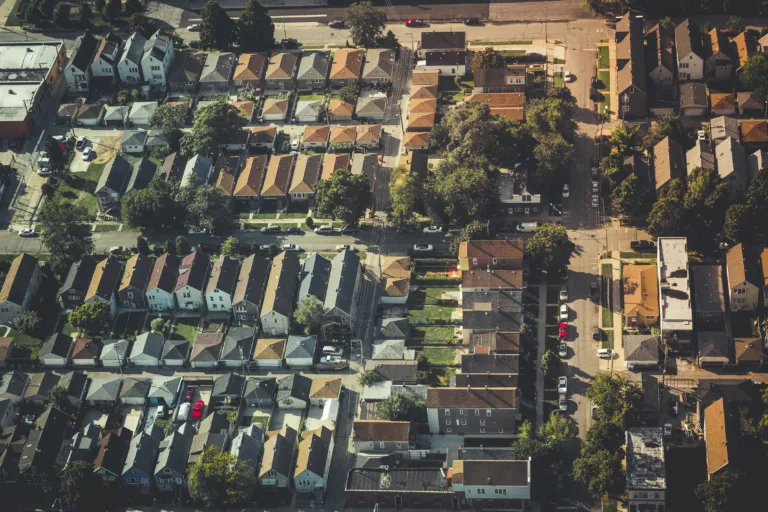
Living in Whittier, CA – Frequently Asked Questions
What is the overall cost of living like in Whittier, CA?
What are the best neighborhoods to live in Whittier?
How is the commute and transportation situation in Whittier?
What are the schools and educational options like in Whittier?
What is there to do for recreation and leisure in Whittier?



latest video

news via inbox
Sign up to get local tips delivered to your inbox.