Salary, Cost of Living & Best Neighborhoods in Rolling Hills Estates, CA
Rolling Hills Estates, CA
Rolling Hills Estates CA Salary And Cost Of Living Overview
Rolling Hills Estates, CA is a picturesque community on the Palos Verdes Peninsula, known for its semi-rural character, equestrian lifestyle, and high quality of life. As a suburb of Los Angeles, it offers proximity to major employment centers while maintaining a quiet, residential feel. However, this desirable environment comes with a premium price tag. Understanding the average salary, cost of living, home values, rents, neighborhoods, and schools in Rolling Hills Estates, CA is essential for anyone considering a move or relocation within the South Bay area.
In the sections that follow, we will explore how local incomes compare to regional benchmarks, what residents typically spend on housing and daily expenses, and which neighborhoods and schools make Rolling Hills Estates especially attractive for families and professionals.
Average Salary In Rolling Hills Estates CA
Rolling Hills Estates, CA has a relatively affluent population, with household incomes well above the national and California averages. Many residents are professionals, executives, medical specialists, or business owners who commute to nearby employment hubs in Torrance, El Segundo, and Greater Los Angeles.
The following table summarizes estimated income levels for the area and nearby benchmarks:
| Location | Estimated Median Household Income | Estimated Per Capita Income |
|---|---|---|
| Rolling Hills Estates, CA | $150,000 – $190,000 | $75,000 – $95,000 |
| Los Angeles County (overall) | $75,000 – $85,000 | $40,000 – $45,000 |
| California (overall) | $85,000 – $95,000 | $45,000 – $50,000 |
These figures indicate that incomes in Rolling Hills Estates are significantly higher than in most parts of Los Angeles County. High-earning households help support the community’s upscale amenities, well-maintained infrastructure, and strong school system. At the same time, higher incomes are often required simply to afford the elevated housing costs and overall cost of living in this exclusive coastal suburb.
Cost Of Living In Rolling Hills Estates CA
The cost of living in Rolling Hills Estates, CA is among the highest in the South Bay and the broader Los Angeles region. Housing is the largest expense, but residents also typically face higher costs for property taxes, insurance, groceries, and services. Relative to national averages, the overall cost of living is substantially elevated.
The table below provides a simplified index comparison (with 100 representing the U.S. average):
| Category | Rolling Hills Estates, CA Index | U.S. Average Index = 100 |
|---|---|---|
| Overall Cost Of Living | 200 – 230 | 100 |
| Housing | 350 – 400 | 100 |
| Groceries | 120 – 130 | 100 |
| Transportation | 120 – 130 | 100 |
| Healthcare | 110 – 120 | 100 |
| Utilities | 105 – 115 | 100 |
Housing in Rolling Hills Estates is by far the biggest contributor to the high cost of living. While some daily expenses may be only moderately higher than the national average, the large gap in real estate costs often requires careful financial planning. Prospective residents should factor in not only mortgage or rent payments, but also property taxes, homeowners’ association fees (HOAs in certain areas), and higher home insurance premiums common in Southern California.
Average Home Values And Rents In Rolling Hills Estates CA
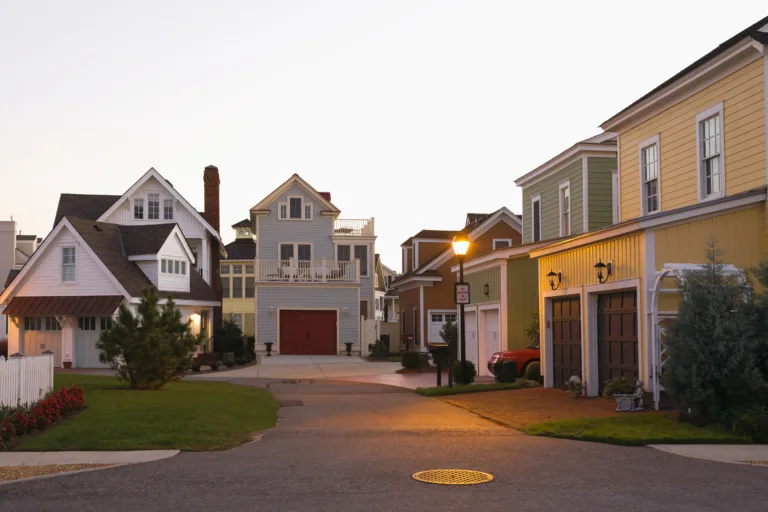
Rolling Hills Estates, CA is known for spacious lots, equestrian properties, and custom homes that command premium prices. The housing stock is predominantly single-family residences, often with large yards and views of the Pacific Ocean or the city.
The following table outlines approximate home values and rental prices in Rolling Hills Estates and nearby areas:
| Property Type / Area | Estimated Median Home Value | Estimated Typical Monthly Rent |
|---|---|---|
| Rolling Hills Estates Single-Family Home | $1.8M – $2.5M+ | $5,500 – $8,500+ |
| Rolling Hills Estates Townhome/Condo | $900,000 – $1.4M | $3,500 – $4,800 |
| Nearby Palos Verdes Estates | $2.0M – $3.0M+ | $6,000 – $9,000+ |
| Nearby Torrance (general) | $900,000 – $1.2M | $2,800 – $3,800 |
These ranges are estimates and can shift with market trends, interest rates, and local housing demand. In general, home values in Rolling Hills Estates, CA tend to appreciate steadily over time thanks to limited inventory, high-income demographics, and the community’s enduring appeal. Rental options exist but are comparatively limited, so renters should be prepared for strong competition and upscale pricing.
Best Neighborhoods In Rolling Hills Estates CA
Rolling Hills Estates, CA is composed of multiple neighborhoods and homeowners’ associations, each with its own character, lot sizes, and amenities. While nearly all areas are desirable, a few stand out for their views, schools, and community features.
| Neighborhood / Area | Key Features |
|---|---|
| Rolling Hills Estates Equestrian Areas | Known for bridle trails, horse properties, and semi-rural charm; ideal for equestrian enthusiasts seeking larger lots and access to riding facilities. |
| Monte Malaga / Upper Peninsula Adjacent Areas | Upscale homes, many with panoramic city and coastline views; quiet streets and proximity to top-rated Palos Verdes schools. |
| Crestridge And Hilltop Areas | Mixture of established homes and renovated properties; convenient access to shopping centers, parks, and hiking trails. |
| Neighborhoods Near The Promenade On The Peninsula | Close to retail, dining, and entertainment; attractive for those who want a walkable lifestyle within a primarily residential community. |
When evaluating the best neighborhoods in Rolling Hills Estates, CA, prospective buyers often weigh trade-offs among lot size, ocean or city views, proximity to schools, and access to equestrian amenities. Because each pocket of the city has a highly localized market, working with a local real estate expert is invaluable for identifying the right fit for lifestyle and budget.
Schools In Rolling Hills Estates CA
One of the strongest draws for families relocating to Rolling Hills Estates, CA is the region’s highly regarded public school system. The city is served primarily by the Palos Verdes Peninsula Unified School District (PVPUSD), which consistently ranks among the top districts in California.
Below is an overview of some of the key schools serving Rolling Hills Estates and the surrounding peninsula:
| School | Type | Notable Highlights |
|---|---|---|
| Peninsula High School | Public High School | Strong academic reputation, Advanced Placement (AP) courses, extensive extracurriculars, and competitive athletics; a top choice for Rolling Hills Estates families. |
| Palos Verdes Peninsula High School | Public High School | Another highly rated high school option on the peninsula with rigorous academics and broad college-preparatory programs. |
| Ridgecrest Intermediate School | Public Middle School | Serves many Rolling Hills Estates students; known for strong test scores and supportive academic environment. |
| Soleado Elementary / Vista Grande Elementary (and other local elementaries) | Public Elementary Schools | Well-regarded neighborhood schools with engaged parent communities, enrichment programs, and high overall performance. |
| Private And Parochial Schools | Private / Religious | Numerous private schools within a short drive, offering alternative curricula, faith-based education, and smaller class sizes. |
Schools in Rolling Hills Estates, CA are a major factor supporting local property values. Many families choose to pay a premium for housing in order to access the PVPUSD system. As a result, demand for homes within specific attendance boundaries can be particularly strong, especially at the elementary level.
Living In Rolling Hills Estates CA Final Thoughts
Rolling Hills Estates, CA offers a distinctive lifestyle that combines coastal beauty, equestrian charm, and top-tier schools within a quiet, upscale suburban setting. The city’s high average salaries help offset a very elevated cost of living, driven primarily by premium home values and rents. For residents who can comfortably afford it, the community delivers abundant benefits: scenic views, extensive trails, strong schools, and a peaceful environment that feels far removed from the bustle of central Los Angeles.
As you consider whether to call Rolling Hills Estates, CA home, it is important to evaluate your financial readiness for the area’s housing market, understand local neighborhood dynamics, and research the schools that best fit your family’s needs. By carefully weighing income potential, housing options, and educational priorities, you can determine whether this exclusive corner of the Palos Verdes Peninsula aligns with your long-term lifestyle and financial goals.
For individuals and families seeking a refined, family-friendly community with enduring appeal, Rolling Hills Estates, CA stands out as one of the premier residential markets in Southern California.
Frequently Asked Questions About Living in Rolling Hills Estates, CA
What is it like to live in Rolling Hills Estates, CA?
How are the schools in Rolling Hills Estates and the surrounding area?
What is the cost of living and housing market like in Rolling Hills Estates?
What outdoor and recreational activities are available in Rolling Hills Estates?
How is the commute and access to other parts of Los Angeles from Rolling Hills Estates?


latest video

news via inbox
Sign up to get local tips delivered to your inbox.