
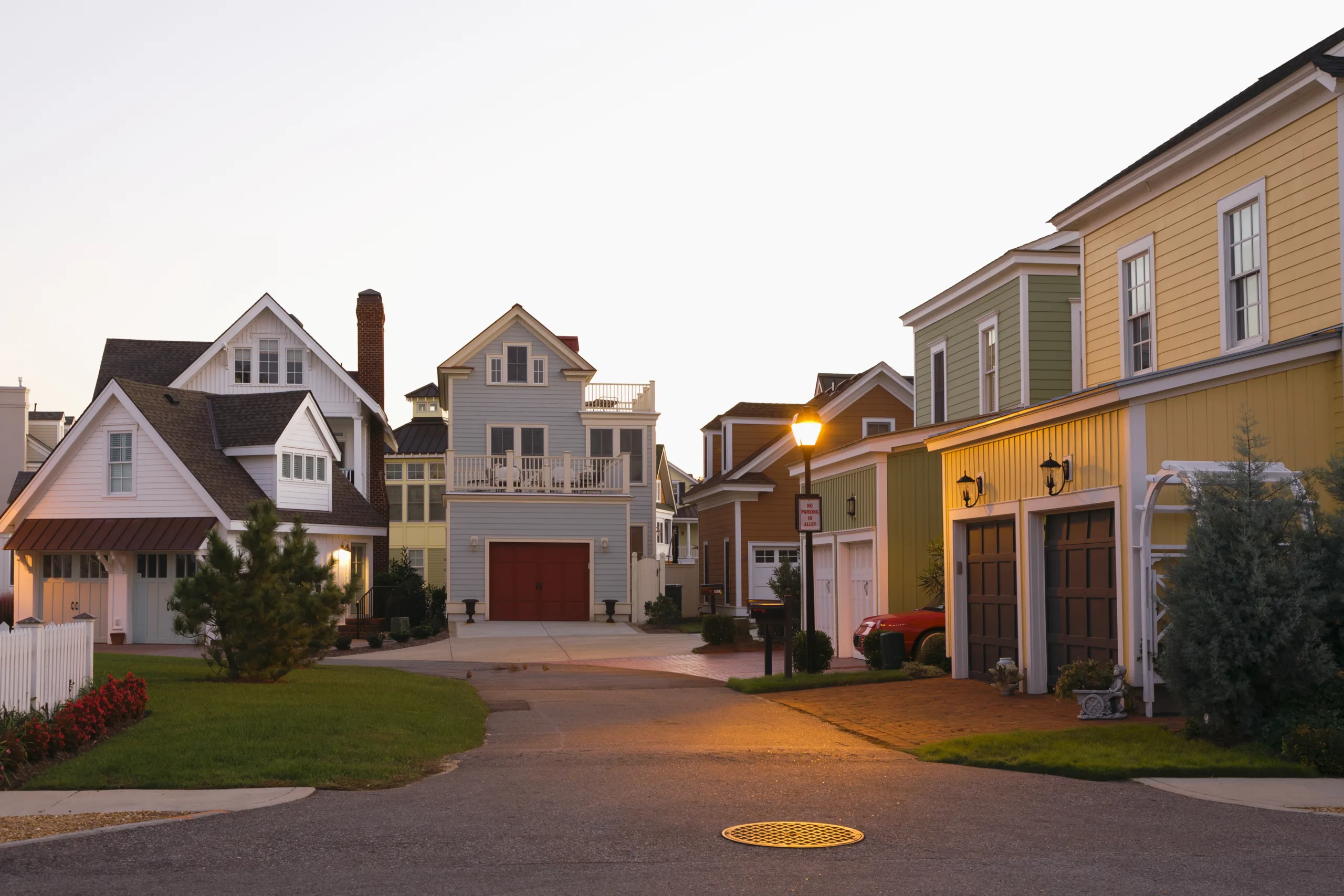
Salary, Cost of Living & Best Neighborhoods in Raleigh, NC
Raleigh, NC
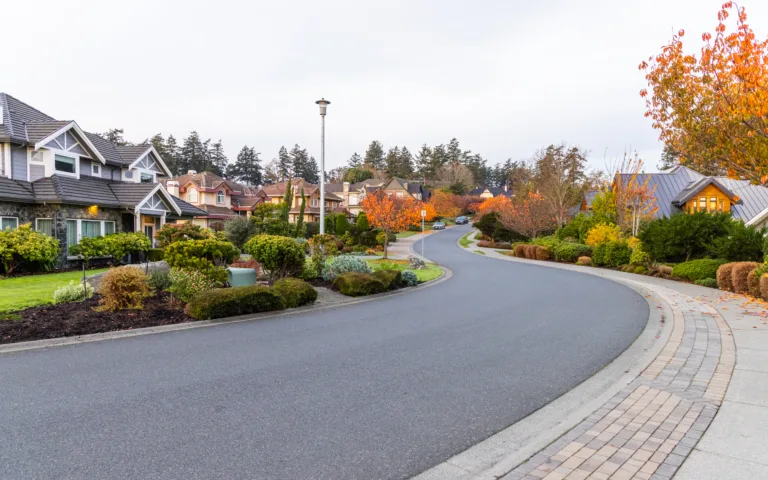
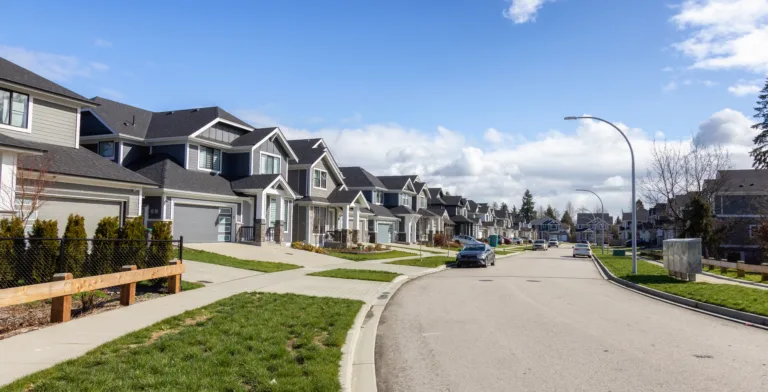
Salary And Cost Of Living In Raleigh NC
Raleigh, North Carolina, has emerged as one of the most attractive cities in the Southeast for professionals, families, and retirees. Anchored by the Research Triangle Park and a diverse local economy, Raleigh offers a compelling mix of competitive salaries, relatively moderate living costs, and a high quality of life. As more people consider relocating to the region, understanding the salary expectations and cost of living in Raleigh, NC is essential for informed decision‑making. The following guide walks through local income levels, day‑to‑day expenses, housing trends, neighborhood options, and schools to help you evaluate whether Raleigh aligns with your financial and lifestyle goals.
Average Salary In Raleigh NC
The job market in Raleigh is driven by sectors such as technology, healthcare, education, government, and life sciences. Thanks to this diversification, the city maintains a relatively stable employment environment and competitive wages compared with many other mid‑sized metros in the United States.
In general, the average salary in Raleigh, NC is higher than the statewide average, reflecting the city’s concentration of skilled positions. The table below highlights approximate annual salary ranges for common roles in the Raleigh labor market:
| Job Category (Raleigh, NC) | Typical Salary Range (Annual) |
|---|---|
| Software Engineer | $90,000 – $130,000 |
| Registered Nurse | $70,000 – $95,000 |
| Public School Teacher | $45,000 – $65,000 |
| Financial Analyst | $65,000 – $90,000 |
| Administrative Assistant | $38,000 – $55,000 |
Because many local employers compete nationally, particularly in the technology and biotech industries, high‑skill professionals can often negotiate strong compensation packages. At the same time, entry‑level and support roles remain accessible, which contributes to a relatively diverse workforce. When evaluating salary offers in Raleigh, it is helpful to weigh them against the city’s cost of living, as outlined below.
Cost Of Living In Raleigh NC
The overall cost of living in Raleigh, NC is generally considered moderate compared with larger coastal cities such as New York, Washington, D.C., or San Francisco. While housing prices have risen over the past decade due to sustained population growth, many residents still find that their income stretches further in Raleigh than in many other urban centers.
The following table provides an approximate comparison of major monthly expenses for a single professional or young couple living in Raleigh:
| Expense Category (Raleigh, NC) | Estimated Monthly Cost |
|---|---|
| Rent (1‑Bedroom Apartment) | $1,400 – $1,800 |
| Utilities (Electric, Water, Trash, Internet) | $200 – $300 |
| Groceries (Per Person) | $350 – $500 |
| Transportation (Gas, Insurance, Parking) | $250 – $400 |
| Dining & Entertainment | $200 – $400 |
While these figures will vary based on lifestyle, they indicate that many households can maintain a comfortable standard of living in Raleigh without the budget pressures found in more expensive metros. In addition, North Carolina’s state income tax is relatively moderate, and residents benefit from convenient access to parks, greenways, and public amenities that support an active lifestyle at a reasonable cost.
Average Home Values And Rents In Raleigh NC
As the city’s population has grown, so too have home values and rents in Raleigh, NC. The housing market has experienced steady appreciation, driven by new job creation, in‑migration from other states, and strong demand from first‑time buyers and investors. Nevertheless, housing remains more affordable than in many other fast‑growing technology hubs.
The following chart‑style table provides a snapshot of typical housing costs in different segments of the Raleigh market:
| Housing Type (Raleigh, NC) | Approximate Price / Rent |
|---|---|
| Median Single‑Family Home Value | $430,000 – $470,000 |
| Townhome / Condo (2–3 Bedrooms) | $320,000 – $380,000 |
| Average Monthly Rent (1‑Bedroom) | $1,400 – $1,800 |
| Average Monthly Rent (2‑Bedroom) | $1,700 – $2,200 |
| Average Monthly Rent (Single‑Family Home) | $2,000 – $2,800 |
Prospective buyers should keep in mind that competition can be strong in popular neighborhoods, particularly around downtown Raleigh and near major employment centers. However, as you move slightly farther from the city core, more budget‑friendly options are often available, especially for those willing to consider townhomes or older but well‑maintained properties.
Best Neighborhoods In Raleigh NC
Choosing the right area to live is just as important as understanding salaries and housing costs. The best neighborhoods in Raleigh, NC balance accessibility, amenities, schools, and overall quality of life. While each community has its own character, several areas consistently stand out:
| Neighborhood (Raleigh, NC) | Key Features | Typical Home Prices |
|---|---|---|
| Inside the Beltline (ITB) | Historic homes, walkable streets, close to downtown dining, breweries, and cultural venues. | $500,000 – $900,000+ |
| North Hills | Mixed‑use development with shopping, offices, apartments, and single‑family homes; strong appeal to young professionals. | $450,000 – $800,000 |
| Brier Creek | Convenient to RDU Airport and Research Triangle Park; newer subdivisions and townhomes. | $350,000 – $600,000 |
| Midtown | Suburban feel with parks and shopping; popular with families seeking balance between city and suburbs. | $400,000 – $750,000 |
| Southeast Raleigh | Emerging area with revitalization projects and more affordable housing options. | $280,000 – $450,000 |
As you compare neighborhoods, consider not only home prices but also commute times, access to major highways such as I‑440 and I‑540, and proximity to dining, shopping, and green spaces. Local real estate professionals in Raleigh, NC can help you fine‑tune your search and align your neighborhood choice with your budget and lifestyle priorities.
Schools And Education In Raleigh NC
For families, the quality of schools is often a central factor when evaluating the cost of living in Raleigh, NC. Raleigh is served by Wake County Public School System (WCPSS), one of the largest and most recognized districts in the country. The area also offers a variety of charter schools, magnet programs, and private school options.
The following table provides a general overview of education choices in Raleigh:
| School Type (Raleigh, NC) | Highlights |
|---|---|
| Public Schools (WCPSS) | Extensive network of elementary, middle, and high schools; magnet and year‑round options; strong focus on STEM and college readiness. |
| Charter & Magnet Schools | Specialized offerings in arts, technology, and language immersion; competitive admission at some campuses. |
| Private & Parochial Schools | Faith‑based and independent schools with smaller class sizes and targeted curricula. |
| Higher Education | Nearby institutions include North Carolina State University, Meredith College, and other colleges within the Research Triangle. |
Because school assignments are closely tied to residential addresses, many families prioritize neighborhoods with consistently strong school ratings. Researching school performance data and touring campuses in Raleigh, NC can help you choose a community that fits both your educational expectations and your housing budget.
Living Comfortably In Raleigh NC
When you combine competitive salaries, a moderate cost of living, and a dynamic housing market, it becomes clear why so many people are relocating to Raleigh, North Carolina. The city offers strong earning potential, especially in technology, healthcare, and finance, while still providing housing options for a wide variety of budgets. Although prices have risen as the area has grown, Raleigh remains more accessible than many comparable metro areas across the country.
By weighing average salaries against living expenses, exploring neighborhoods that match your financial goals, and carefully evaluating local schools, you can develop a realistic plan for thriving in Raleigh. Whether you are a young professional seeking career growth, a family searching for excellent schools and safe neighborhoods, or a remote worker looking for a balanced lifestyle, Raleigh, NC offers a compelling blend of affordability, opportunity, and quality of life that continues to attract new residents year after year.
Frequently Asked Questions About Living in Raleigh, NC
What is the cost of living like in Raleigh, NC?
What is the job market like in Raleigh?
What is the weather like in Raleigh throughout the year?
What are the schools and universities like in Raleigh?
What is there to do for recreation and culture in Raleigh?



latest video

news via inbox
Sign up to get local tips delivered to your inbox.