
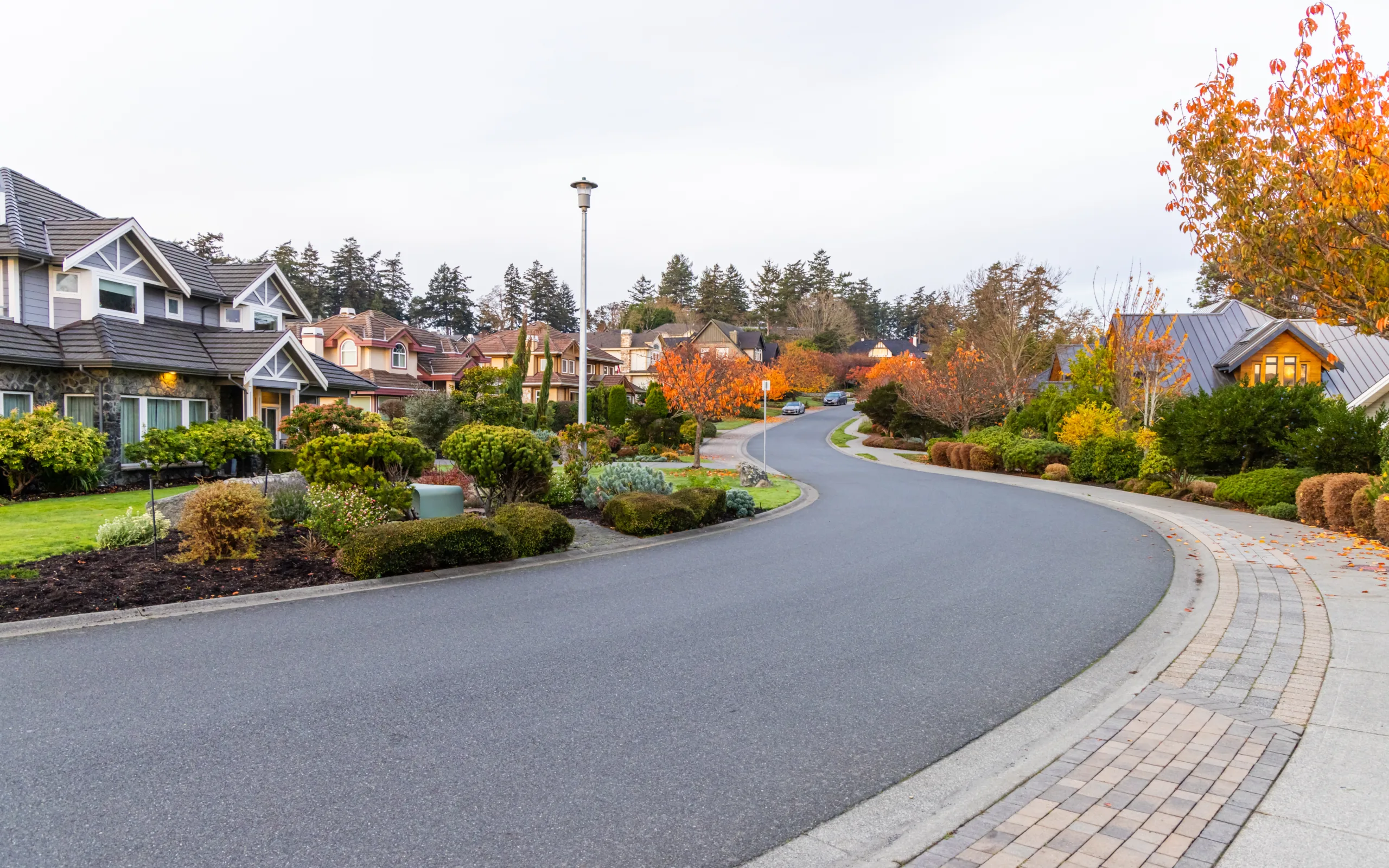
Salary, Cost of Living & Best Neighborhoods in Portland, OR
Portland, OR
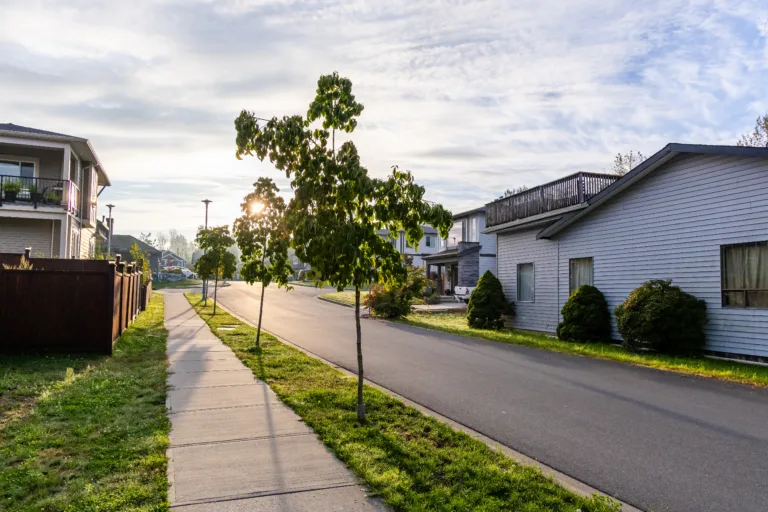
Salary And Cost Of Living In Portland OR
Portland, Oregon continues to attract new residents with its strong job market, vibrant culture, and access to the outdoors. However, understanding the salary expectations and cost of living in Portland, OR is essential before making a move or negotiating a new position. From average wages and housing prices to neighborhoods and schools, this guide provides a clear overview of what to expect financially when living in Portland.
Average Salary In Portland OR
As a growing regional hub for technology, healthcare, manufacturing, and creative industries, Portland, OR offers competitive salaries relative to many mid-sized U.S. cities. While exact numbers vary by source and year, the following ranges offer a useful snapshot of typical earnings for full-time workers in the metro area.
Average Annual Salaries In Portland OR By Occupation
| Occupation Category | Typical Salary Range (Annual) |
|---|---|
| Overall Median Full-Time Worker | $60,000 – $70,000 |
| Technology & Software | $90,000 – $130,000 |
| Healthcare (RNs, Specialists) | $75,000 – $120,000 |
| Education & Nonprofit | $45,000 – $70,000 |
| Retail & Hospitality | $35,000 – $50,000 |
| Skilled Trades | $55,000 – $85,000 |
Due to the city’s emphasis on professional services and tech, many residents in Portland, OR earn higher-than-average wages compared with other parts of Oregon. However, these salaries must be considered alongside Portland’s rising cost of living, particularly in terms of housing and transportation.
Cost Of Living In Portland OR
When evaluating the cost of living in Portland, OR, it is important to factor in housing, utilities, transportation, groceries, and healthcare. Relative to the national average, Portland tends to rank somewhat higher in total living expenses, driven largely by housing and rental costs. Nonetheless, it remains more affordable than some West Coast neighbors like Seattle and San Francisco.
Estimated Monthly Cost Of Living For A Single Person In Portland OR (Excluding Rent)
| Expense Category | Typical Monthly Cost |
|---|---|
| Groceries & Food At Home | $350 – $500 |
| Utilities (Electric, Gas, Water, Trash) | $150 – $250 |
| Internet & Mobile Phone | $80 – $150 |
| Public Transportation & Local Travel | $100 – $160 |
| Healthcare & Insurance (Out-of-Pocket) | $150 – $300 |
| Entertainment, Dining Out & Misc. | $200 – $350 |
In total, non-housing costs for a single adult living in Portland, OR often fall in the range of $1,000 to $1,600 per month. For families, this can increase significantly, especially when adding childcare, education-related expenses, and higher healthcare usage. Consequently, many local residents look for neighborhoods and housing types that balance affordability with access to amenities and quality schools.
Average Home Values And Rents In Portland OR
Housing is the most significant factor in the overall cost of living in Portland, OR. Over the past decade, the city has experienced strong demand for both rental properties and homes for sale, driving up prices and creating a competitive real estate market.
Estimated Housing Costs In Portland OR
| Housing Type | Typical Price Or Rent |
|---|---|
| Median Home Value (City of Portland) | $500,000 – $600,000+ |
| One-Bedroom Apartment (City Center) | $1,600 – $2,100 / month |
| One-Bedroom Apartment (Outside Center) | $1,300 – $1,800 / month |
| Two-Bedroom Apartment | $1,900 – $2,600 / month |
| Single-Family Home Rental | $2,400 – $3,500 / month |
Homeownership in Portland, OR typically requires a solid income, good credit, and a competitive offer, especially in high-demand neighborhoods. At the same time, renters need to plan for annual rent increases and potential competition for desirable units close to transit, parks, and employment centers.
To help visualize how housing compares with income, the chart below summarizes a common planning guideline: keeping housing costs at or below roughly 30% of gross income in Portland, Oregon.
| Annual Household Income | Suggested Max Monthly Housing Budget (30%) | What This Might Afford In Portland OR |
|---|---|---|
| $60,000 | $1,500 | Studio or modest 1-bedroom, primarily outside the city center |
| $90,000 | $2,250 | Larger 1-bedroom or 2-bedroom apartment in many neighborhoods |
| $120,000 | $3,000 | Comfortable 2-bedroom or small single-family rental; entry-level home purchase in select areas |
| $150,000 | $3,750 | More flexibility in neighborhood choice and potential homeownership in popular districts |
Best Neighborhoods In Portland OR
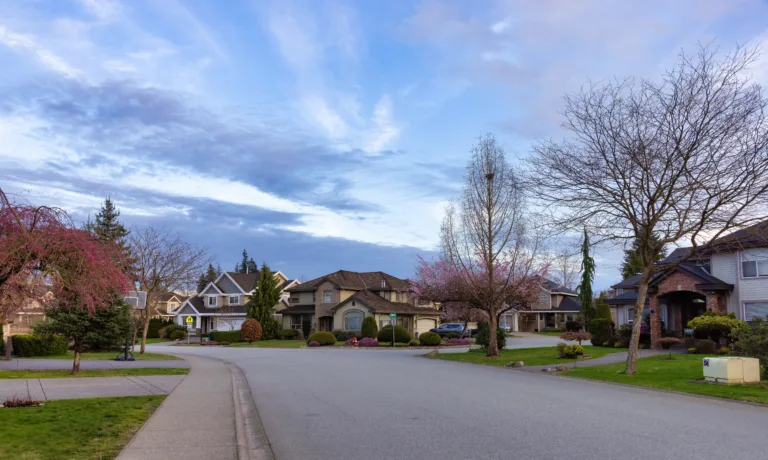
Choosing the right neighborhood in Portland, OR involves balancing commute times, school quality, amenities, and budget. While “best” is subjective, several neighborhoods consistently stand out to residents, families, and newcomers searching for a high quality of life.
Popular Neighborhoods In Portland OR And Typical Characteristics
| Neighborhood | Highlights | Typical Housing Costs |
|---|---|---|
| Sellwood-Moreland (SE Portland) | Family-friendly, walkable, close to parks and local shops | Mid to high-range rents; above-average home values |
| Hawthorne / Division (SE Portland) | Trendy, vibrant dining and nightlife, strong transit options | Moderate to high rents; competitive small-home market |
| Alberta Arts District (NE Portland) | Artistic vibe, local boutiques, cultural events | Moderate to high rents; rising home prices |
| Pearl District (NW Portland) | Upscale, urban, high-rise condos, close to downtown jobs | High-end rents and condo prices |
| St. Johns (North Portland) | More laid-back, community feel, access to parks and river | Relatively more affordable single-family homes and rentals |
| Eastmoreland & Laurelhurst | Leafy, historic neighborhoods with classic homes | Higher home prices; limited rental options |
For those prioritizing affordability, neighborhoods farther from the downtown core or across the river to East Portland and parts of North Portland often offer lower housing costs. Conversely, living in the Pearl District, Northwest Portland, or close-in Southeast usually requires a higher salary to maintain financial comfort.
Schools And Education In Portland OR
Education quality is a major consideration for families evaluating the cost of living and salary requirements in Portland, OR. The city is primarily served by Portland Public Schools (PPS), the largest district in Oregon, along with several smaller surrounding districts and a variety of private and charter options.
Overview Of Schools In Portland OR
| School Type | Key Details |
|---|---|
| Public Schools (Portland Public Schools & Nearby Districts) | Offer neighborhood-based enrollment, magnet programs, and language-immersion tracks; school quality varies by area. |
| Charter Schools | Provide specialized curricula, project-based learning, and alternative approaches; admission often via lottery. |
| Private & Independent Schools | Range from faith-based to progressive academies; tuition adds substantial cost to living in Portland, OR. |
| Higher Education | Home to Portland State University, University of Portland, and several community colleges and trade schools. |
Families frequently consider both school ratings and commute patterns when selecting neighborhoods in Portland, Oregon. Areas in close proximity to well-regarded elementary and high schools often command higher home values and rent levels, increasing the total cost of living. That said, many parts of the city offer access to parks, libraries, and enrichment opportunities that enhance educational experiences beyond the classroom.
Living Comfortably In Portland OR
In summary, living comfortably in Portland, OR usually requires aligning your salary level with the city’s housing market and broader cost of living. While wages in many professional fields are strong, rapid increases in rents and home values mean that careful budgeting and neighborhood selection are crucial.
For individuals and families who plan ahead, research neighborhoods, and understand their housing options, Portland, Oregon can offer a compelling balance of career opportunity, cultural amenities, and access to nature. By comparing average salaries, typical expenses, school options, and neighborhood characteristics, you can make an informed decision about whether Portland, OR’s cost of living fits your financial goals and lifestyle priorities.
Frequently Asked Questions About Living in Portland, OR
What is the cost of living like in Portland, OR?
What is the weather like in Portland throughout the year?
How is transportation and commuting in Portland?
What are the best neighborhoods to live in Portland?
What is the culture and lifestyle like in Portland?



latest video


news via inbox
Sign up to get local tips delivered to your inbox.