Salary, Cost of Living & Best Neighborhoods in Phoenix, AZ
Phoenix, AZ
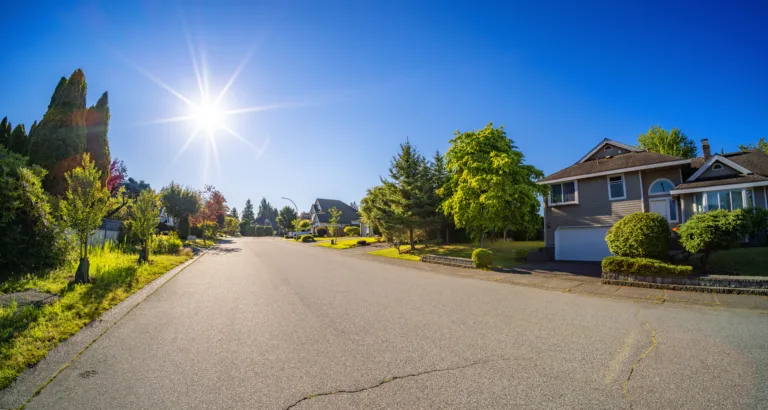
Phoenix, AZ has become one of the fastest-growing metropolitan areas in the United States, attracting professionals, families, and retirees with its warm climate, expanding job market, and relatively moderate housing costs compared to coastal cities. Understanding the salary expectations and cost of living in Phoenix, AZ is essential if you are considering relocating or planning a long-term financial strategy in the Valley of the Sun. The following guide provides a comprehensive overview of average salaries, everyday expenses, housing, neighborhoods, and schools to help you make an informed decision.
Average Salary In Phoenix AZ
The average salary in Phoenix, AZ varies by industry, education, and experience, but the city’s diversified economy provides opportunities in healthcare, technology, finance, manufacturing, and hospitality. As of recent estimates, the overall average annual salary in the Phoenix metro area falls roughly in the $60,000–$70,000 range, with many professional and technical roles earning more.
To better understand income levels, the table below highlights approximate annual salaries for common occupations in Phoenix, AZ:
| Occupation – Phoenix, AZ | Average Annual Salary |
|---|---|
| Registered Nurse | $80,000 – $95,000 |
| Software Developer / Engineer | $95,000 – $115,000 |
| Teacher (K–12) | $50,000 – $65,000 |
| Customer Service Representative | $36,000 – $45,000 |
| Retail Sales Associate | $30,000 – $38,000 |
| Construction Worker | $40,000 – $55,000 |
When compared to larger and more expensive metros like Los Angeles or San Francisco, salaries in Phoenix can be slightly lower. However, this is partially offset by the lower cost of living in Phoenix, AZ, particularly in housing and daily expenses. This balance between income and expenses is one of the reasons many professionals are drawn to the region.
Cost Of Living In Phoenix AZ
The overall cost of living in Phoenix, AZ is generally considered moderate when compared to other large U.S. cities. Housing costs, transportation, and day-to-day expenses are often more affordable than in many coastal or northeastern markets. While prices have risen in recent years due to population growth and housing demand, Phoenix still offers good value for many households.
The following table provides an approximate breakdown of monthly living expenses for a single person and for a family of four in Phoenix, AZ. These are estimates and can vary based on lifestyle choices, neighborhood, and specific needs.
| Expense Category – Phoenix, AZ | Single Person (Monthly) | Family of Four (Monthly) |
|---|---|---|
| Rent (Mid-range Apartment) | $1,400 – $1,800 | $2,000 – $2,600 |
| Utilities (Electric, Water, Trash) | $160 – $230 | $220 – $320 |
| Groceries | $300 – $450 | $800 – $1,100 |
| Transportation (Gas/Transit) | $150 – $250 | $300 – $450 |
| Health Insurance & Medical | $200 – $350 | $500 – $900 |
| Entertainment & Dining Out | $150 – $250 | $300 – $500 |
One of the most significant ongoing expenses in Phoenix, AZ is electricity, particularly in the summer months when air conditioning is essential. Budgeting carefully for utilities is important, especially if you are moving from a cooler climate. At the same time, the absence of harsh winters can keep other seasonal costs manageable.
Average Home Values And Rents In Phoenix AZ
Housing is often the deciding factor for those evaluating whether the salary and cost of living in Phoenix, AZ align with their personal goals. Over the past decade, Phoenix has experienced notable home price appreciation, driven by strong in-migration and investor interest. However, many residents still find the region more attainable than major coastal hubs.
The chart below gives a simplified look at typical housing costs in Phoenix, AZ, for both buyers and renters.
| Housing Type – Phoenix, AZ | Typical Price / Rent |
|---|---|
| Median Single-Family Home Value | $430,000 – $480,000 |
| Condos / Townhomes (Median) | $320,000 – $380,000 |
| 1-Bedroom Apartment Rent | $1,200 – $1,600 per month |
| 2-Bedroom Apartment Rent | $1,600 – $2,000 per month |
| Single-Family Rental Home | $2,000 – $2,700 per month |
First-time homebuyers in Phoenix, AZ often look to emerging neighborhoods and suburban areas where prices can be more accessible. Renters benefit from a broad range of apartments and single-family rentals throughout the metro, from urban high-rises to quiet master-planned communities.
Best Neighborhoods In Phoenix AZ
Choosing the right neighborhood in Phoenix, AZ involves balancing budget, commute time, amenities, and lifestyle preferences. The metro area offers everything from historic districts to modern suburbs, each with its own character and price point.
Below is a brief comparison of several popular neighborhoods and areas in and around Phoenix, AZ:
| Neighborhood / Area – Phoenix, AZ | General Vibe | Typical Home Prices |
|---|---|---|
| Arcadia (Phoenix) | Trendy, upscale, near dining and Camelback Mountain | $800,000 and up |
| North Central Phoenix | Established, tree-lined, family-friendly | $550,000 – $900,000 |
| Downtown Phoenix | Urban, walkable, condos and lofts | $350,000 – $600,000 |
| Ahwatukee (Phoenix) | Suburban, near South Mountain, good schools | $500,000 – $800,000 |
| Desert Ridge (North Phoenix) | Master-planned, shopping and golf | $550,000 – $900,000 |
Close-in neighborhoods like Arcadia, Downtown Phoenix, and North Central Phoenix command higher prices but offer quick access to major employers, restaurants, and cultural venues. Suburban-style communities such as Ahwatukee or Desert Ridge provide more space and a quieter environment while still connecting efficiently to the city’s freeway network.
Schools And Education In Phoenix AZ
For families evaluating the cost of living in Phoenix, AZ, access to quality schools is a top priority. Phoenix and its surrounding communities are served by numerous public school districts, charter schools, and private institutions, providing parents with a wide range of educational options.
Many areas in and around Phoenix, such as parts of North Phoenix, Ahwatukee, and nearby suburbs like Chandler, Scottsdale, and Gilbert, are known for highly rated schools. Within the Phoenix city limits, families often consider both traditional district schools and innovative charter schools specializing in STEM, arts, or college-preparatory curricula.
Higher education is also a key component of the local landscape. Phoenix is home to campuses for Arizona State University, Grand Canyon University, and Maricopa Community Colleges, providing local residents with opportunities to pursue associate, bachelor’s, and graduate degrees without leaving the metro area. These institutions contribute to the skilled workforce and help support higher-paying industries in the city.
Living Comfortably On A Phoenix AZ Salary
When all factors are considered together, many residents find that a thoughtfully managed salary in Phoenix, AZ can support a comfortable lifestyle. While housing and living costs have increased, they are still often more attainable than in many other large metropolitan areas, especially when weighed against local wages and job prospects.
In summary, if you are considering moving to or within Phoenix, AZ, it is vital to assess your earning potential, your preferred neighborhood, and your long-term housing goals. By comparing average salaries, cost of living, and school quality in Phoenix, AZ, you can determine whether the Valley of the Sun aligns with your financial plans and lifestyle expectations, and position yourself to make the most of what this dynamic desert city has to offer.
Frequently Asked Questions About Living in Phoenix, AZ
What is the cost of living like in Phoenix, AZ?
How hot does it get in Phoenix and how do residents cope with the heat?
What are the best neighborhoods to live in within the Phoenix area?
What is it like to commute and get around Phoenix?
What recreational and cultural activities are available in Phoenix?



latest video

news via inbox
Sign up to get local tips delivered to your inbox.