
Salary, Cost of Living & Best Neighborhoods in Oklahoma City, OK
Oklahoma City, OK
Salary And Cost Of Living In Oklahoma City OK
Oklahoma City, OK, is increasingly recognized as a place where residents can enjoy a strong balance between income and expenses. With a growing job market, relatively affordable housing, and an expanding cultural scene, the city appeals to young professionals, families, and retirees alike. Understanding the average salary, cost of living, housing market, neighborhoods, and schools in Oklahoma City, OK can help you decide whether relocating or staying here is the right choice for your financial and lifestyle goals.
Average Salary In Oklahoma City OK
The average salary in Oklahoma City, OK is competitive when measured against the city’s relatively low cost of living. While figures vary by industry and experience level, typical annual earnings for full-time workers range from the mid-$40,000s to the low-$60,000s. High-demand fields such as energy, aerospace, healthcare, finance, and technology often pay above this range, especially for specialized roles.
The following table highlights estimated average annual salaries for common occupations in Oklahoma City, OK:
| Occupation – Oklahoma City, OK | Estimated Average Salary |
|---|---|
| Registered Nurse | $70,000 – $80,000 |
| Software Developer | $85,000 – $100,000 |
| Elementary School Teacher | $45,000 – $55,000 |
| Accountant | $60,000 – $75,000 |
| Oil & Gas Engineer | $95,000 – $120,000 |
| Administrative Assistant | $35,000 – $45,000 |
These salary levels, when combined with the city’s modest expenses, create strong purchasing power for many residents in Oklahoma City, OK.
Cost Of Living In Oklahoma City OK
One of the key advantages of living in Oklahoma City, OK is its relatively low overall cost of living compared to many other major metropolitan areas in the United States. Housing, groceries, transportation, and healthcare are generally more affordable than the national average, allowing residents to stretch their paychecks further.
The chart below provides an overview of how common expense categories in Oklahoma City, OK compare to a national index of 100:
| Cost Category – Oklahoma City, OK | OKC Index | National Index = 100 |
|---|---|---|
| Overall Cost Of Living | 88 | 100 |
| Housing | 80 | 100 |
| Groceries | 94 | 100 |
| Transportation | 90 | 100 |
| Healthcare | 95 | 100 |
| Utilities | 96 | 100 |
Because Oklahoma City, OK remains below the national baseline in most categories, residents can often afford larger homes, more savings, or additional discretionary spending than in higher-cost cities. However, it is still important to consider personal lifestyle choices, such as commuting distance, dining out, and entertainment, as these factors can influence your individual budget.
Average Home Values And Rents In Oklahoma City OK
Housing plays a central role in evaluating the salary and cost of living in Oklahoma City, OK. The real estate market here is known for its relative affordability, whether you are looking to rent or purchase a home. While prices have risen in recent years due to population growth and market demand, Oklahoma City still offers more attainable options than many coastal or larger metropolitan areas.
Below is a snapshot of estimated average home values and monthly rents in Oklahoma City, OK:
| Housing Type – Oklahoma City, OK | Estimated Price / Rent |
|---|---|
| Median Single-Family Home Value | $210,000 – $240,000 |
| Median Condo/Townhome Value | $180,000 – $210,000 |
| Average Rent – 1 Bedroom Apartment | $900 – $1,050 per month |
| Average Rent – 2 Bedroom Apartment | $1,050 – $1,250 per month |
| Average Rent – 3 Bedroom Single-Family Home | $1,400 – $1,800 per month |
When compared to local incomes, these home values and rental rates often make it possible for residents to allocate a smaller percentage of their salary to housing than in many other U.S. cities. This dynamic can free up resources for savings, investments, or education expenses.
Best Neighborhoods In Oklahoma City OK
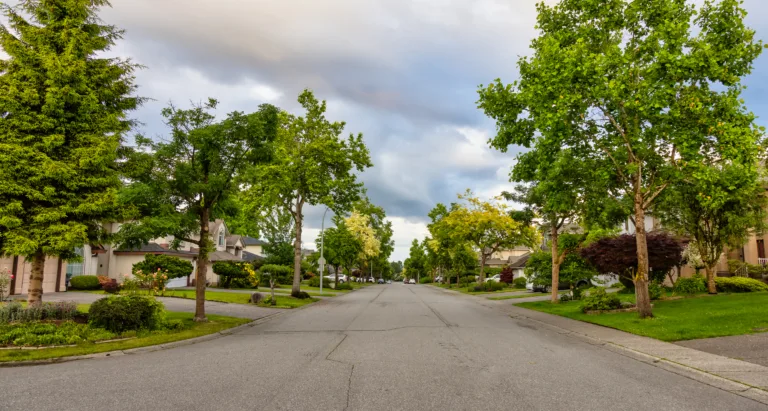
Choosing the right neighborhood in Oklahoma City, OK depends on your budget, lifestyle preferences, and proximity to work or school. From historic districts to newer master-planned communities, the city offers a wide range of options.
Here is an overview of several popular neighborhoods in Oklahoma City, OK:
| Neighborhood – Oklahoma City, OK | General Price Range | Key Features |
|---|---|---|
| Edmond (North OKC Area) | Mid to Upper | Highly rated schools, family-friendly subdivisions, strong community amenities. |
| Nichols Hills | Upper | Luxury homes, mature trees, boutique shopping, close to downtown and major employers. |
| Downtown & Midtown Oklahoma City | Mid | Urban living, apartments and condos, walkable to dining, entertainment, and offices. |
| Plaza District | Lower to Mid | Arts-focused, revitalized area, trendy restaurants, and historic homes. |
| Northwest Oklahoma City | Mid | Mix of older and newer homes, easy highway access, popular with professionals. |
| South Oklahoma City | Lower to Mid | Budget-friendly housing, diverse community, convenient shopping and services. |
As you evaluate the best neighborhoods in Oklahoma City, OK, it can be helpful to consider not only pricing but also commute times, nearby parks, and future development plans, all of which may influence long-term property values and quality of life.
Schools In Oklahoma City OK
Families moving to or residing in Oklahoma City, OK often place a high priority on the quality of local schools. The region is served by multiple school districts, including Oklahoma City Public Schools, Edmond Public Schools, Putnam City Schools, and several suburban and charter options. These districts offer a mix of neighborhood schools, magnet programs, and specialized academies.
The table below provides a general overview of school options in the Oklahoma City, OK area:
| School Option – Oklahoma City, OK | Type | Notable Highlights |
|---|---|---|
| Oklahoma City Public Schools | Public District | Largest district in the region, diverse student body, various magnet and specialty programs. |
| Edmond Public Schools | Public District | Frequently recognized for strong academic performance and extensive extracurriculars. |
| Putnam City Schools | Public District | Located in northwest Oklahoma City, offers comprehensive K–12 education and activities. |
| Charter & Magnet Schools | Public Charter/Magnet | STEM-focused schools, arts academies, and college-prep programs available across the metro. |
| Private & Parochial Schools | Private | Faith-based and independent options with smaller class sizes and specialized curricula. |
When assessing schools in Oklahoma City, OK, many families review standardized test scores, graduation rates, extracurricular offerings, and campus culture to ensure a strong educational match for their children.
Living Comfortably In Oklahoma City OK
Taking all of these factors together, it becomes clear that salary and cost of living in Oklahoma City, OK are closely aligned in a way that often favors residents. Average salaries, especially in growing sectors such as healthcare, energy, and technology, can go further due to below-average housing and everyday expenses. At the same time, attractive neighborhoods, a variety of school options, and an expanding array of dining, entertainment, and cultural venues make the city an appealing place to call home.
Whether you are a professional evaluating a job offer, a family considering relocation, or a current resident planning your financial future, understanding the interplay between income, housing, and lifestyle in Oklahoma City, OK will help you make informed decisions. With thoughtful planning and a clear view of local conditions, many people find that Oklahoma City, OK offers an attractive combination of affordability, opportunity, and quality of life.
Frequently Asked Questions About Living in Oklahoma City, OK
What is the cost of living like in Oklahoma City?
What are the job opportunities and major industries in Oklahoma City?
What is the weather like in Oklahoma City throughout the year?
What are the neighborhoods and housing options like in Oklahoma City?
What is there to do for recreation and culture in Oklahoma City?



latest video


news via inbox
Sign up to get local tips delivered to your inbox.