
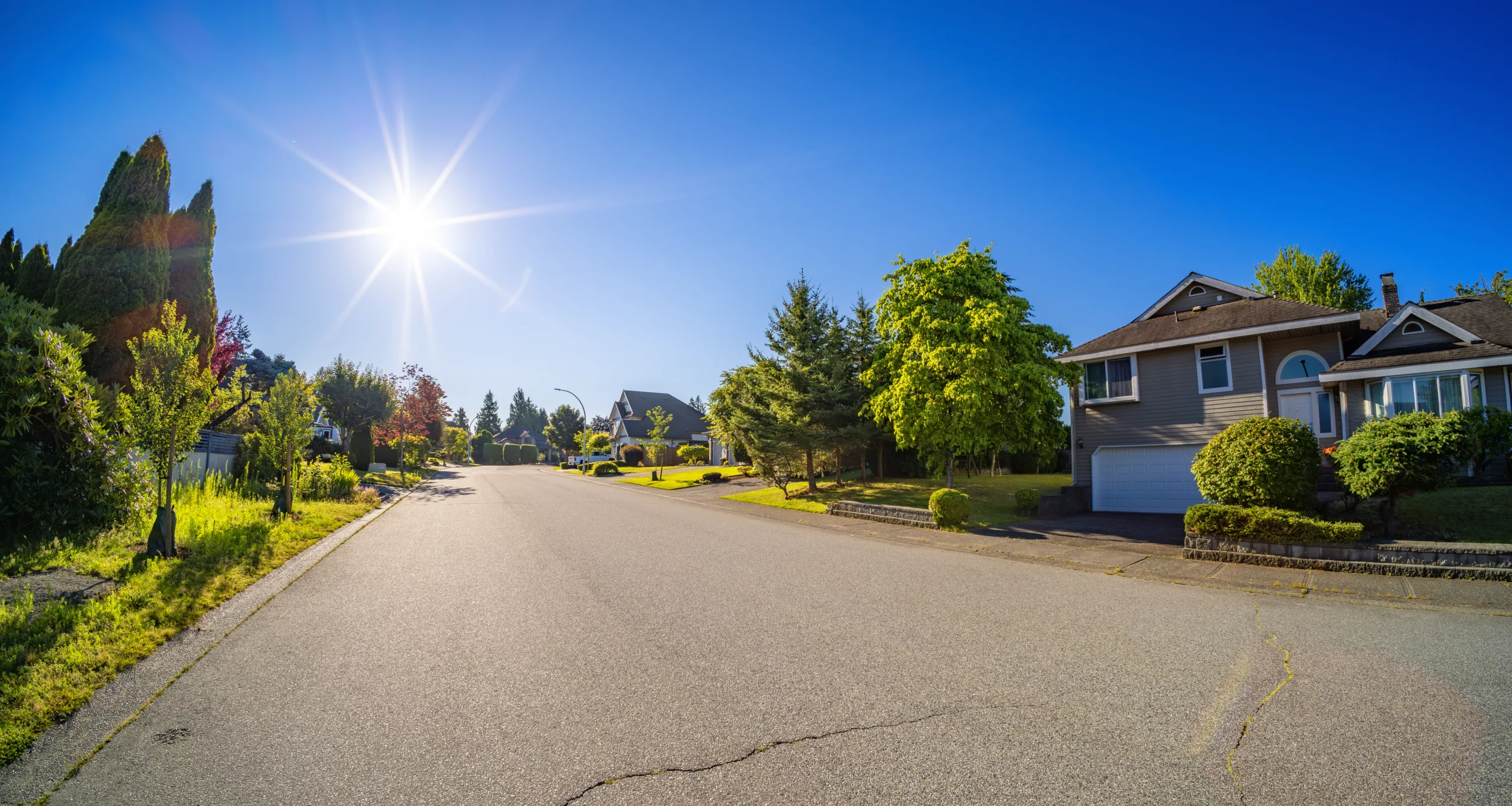
Salary, Cost of Living & Best Neighborhoods in Norwalk, CA
Norwalk, CA
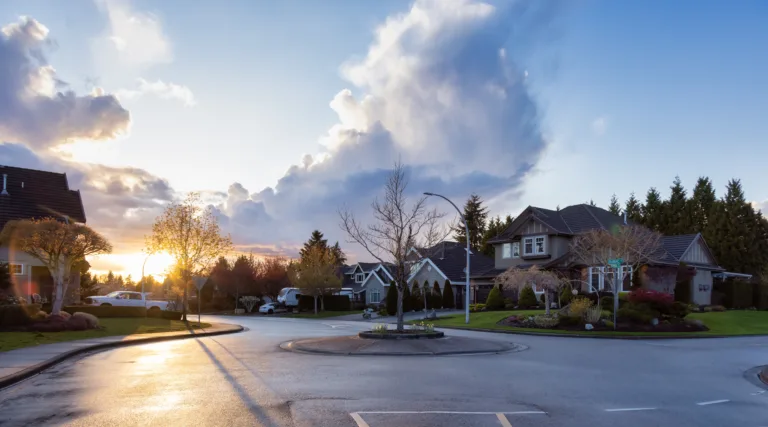
Salary And Cost Of Living In Norwalk CA
Norwalk, California is a vibrant suburban community in southeast Los Angeles County, strategically located between Downtown Los Angeles and Orange County. For individuals and families considering a move, understanding the salary expectations, cost of living, housing market, neighborhoods, and schools in Norwalk, CA is essential. This guide provides a detailed overview to help you make an informed decision about living and working in Norwalk.
Average Salary In Norwalk CA
Norwalk’s economy is influenced by its proximity to major employment centers in Los Angeles, Long Beach, and Anaheim. Residents often work in healthcare, education, logistics, retail, and public sector jobs. While salaries vary by industry and experience, the city generally offers competitive wages compared to many other parts of Southern California.
The table below summarizes typical annual salary ranges in Norwalk, CA for common occupations.
| Occupation (Norwalk, CA) | Typical Annual Salary Range |
|---|---|
| Administrative Assistant | $40,000 – $55,000 |
| Registered Nurse | $90,000 – $125,000 |
| Customer Service Representative | $38,000 – $52,000 |
| Public School Teacher | $65,000 – $95,000 |
| Warehouse/Logistics Worker | $38,000 – $55,000 |
| Retail Sales Associate | $32,000 – $45,000 |
| Mid-Level Manager | $80,000 – $120,000 |
When compared to the broader Los Angeles County region, Norwalk salaries are often slightly lower than premium markets such as Santa Monica or Pasadena, but the gap is partially offset by relatively more attainable housing and everyday costs. Many residents also commute to nearby cities for higher-paying roles while benefiting from Norwalk’s more suburban residential character.
Cost Of Living In Norwalk CA
The cost of living in Norwalk, CA reflects its position within the greater Los Angeles metropolitan area. Housing is the largest expense, followed by transportation, food, and healthcare. However, Norwalk is often considered more affordable than coastal Los Angeles communities and certain high-end suburbs.
Below is an illustrative comparison of Norwalk’s cost of living index relative to the U.S. average (set at 100) and the Los Angeles–Long Beach metro area.
| Category | Norwalk, CA Index | Los Angeles Metro Index | U.S. Average Index |
|---|---|---|---|
| Overall Cost Of Living | 135 | 145 | 100 |
| Housing | 155 | 175 | 100 |
| Transportation | 135 | 140 | 100 |
| Groceries | 115 | 120 | 100 |
| Healthcare | 105 | 110 | 100 |
| Utilities | 110 | 115 | 100 |
These figures demonstrate that Norwalk, CA remains more affordable than many nearby coastal or urban core areas, yet it is still significantly above the national average. Residents should budget carefully for housing and commuting costs, especially if they work in other areas of Los Angeles County.
Average Home Values And Rents In Norwalk CA
The Norwalk, CA real estate market features primarily single-family homes, townhomes, and low- to mid-rise apartment complexes. Over the last decade, home prices have appreciated substantially, in line with the wider Southern California trend.
The following table presents a general snapshot of home prices and rent levels in Norwalk, CA.
| Property Type (Norwalk, CA) | Typical Price / Monthly Rent |
|---|---|
| Median Single-Family Home Value | $700,000 – $800,000 |
| Entry-Level Condo/Townhome | $500,000 – $650,000 |
| 1-Bedroom Apartment Rent | $1,800 – $2,200 per month |
| 2-Bedroom Apartment Rent | $2,200 – $2,700 per month |
| 3-Bedroom Single-Family Rental | $2,800 – $3,500 per month |
While prices can fluctuate with the market, Norwalk, CA is often viewed as a relatively attainable entry point into Los Angeles County homeownership, especially when compared to beach cities or upscale suburbs. For renters, securing a long-term lease can help manage rising housing costs, and some residents choose to share larger homes to reduce per-person expenses.
Best Neighborhoods In Norwalk CA
Norwalk’s neighborhoods offer a range of lifestyles, from quiet residential streets to areas close to shopping centers and major freeways. When evaluating the best neighborhoods in Norwalk, CA, factors such as safety, school access, commute times, and local amenities are key considerations.
Here is a descriptive overview of some notable neighborhoods and areas within Norwalk, CA:
| Neighborhood / Area | Key Characteristics |
|---|---|
| Norwalk Civic Center Area | Close to City Hall, Norwalk Library, and community services; convenient access to public transit and restaurants; popular with renters and professionals. |
| St\\udebaker Road Corridor | Primarily residential with single-family homes; easy freeway access; popular for commuters who work in Long Beach or central Los Angeles. |
| Norwalk–Santa Fe Springs Border | Mix of residential and light industrial; proximity to employment centers; good for those seeking shorter commutes to industrial or logistics jobs. |
| Neighborhoods Near Cerritos College | Ideal for students and staff; a blend of apartments and single-family homes; access to educational and cultural events at the college. |
| Residential Pockets Near Gerdes Park And Norwalk Park | Family-friendly parks, sports fields, and community programming; attractive to families seeking active outdoor lifestyles. |
Because Norwalk is compact and well-connected, commute times to nearby cities such as Downey, Whittier, Cerritos, and Lakewood are generally manageable. Prospective residents are encouraged to visit different neighborhoods at various times of day to get a realistic sense of traffic, noise levels, and local activity.
Schools And Education In Norwalk CA
Education is a major priority for many households considering Norwalk. The city is primarily served by the Norwalk-La Mirada Unified School District, which operates a range of elementary, middle, and high schools, as well as specialized programs.
The following chart-style table highlights the general structure of the school system in Norwalk, CA and available options for residents.
| Education Level | Options In Norwalk, CA | Notable Features |
|---|---|---|
| Elementary Schools | Multiple neighborhood elementary campuses | Focus on foundational academics, bilingual programs at select sites, and community engagement. |
| Middle Schools | Several middle schools across Norwalk-La Mirada USD | Expanded curriculum, athletics, and performing arts; preparation for college-readiness pathways. |
| High Schools | Comprehensive high schools serving Norwalk and surrounding cities | Advanced Placement courses, career technical education, and extracurricular clubs and sports. |
| Charter & Magnet Options | Access to regional charter, magnet, and specialty programs | Opportunities in STEM, arts, and college-prep tracks; application-based admissions in some cases. |
| Higher Education | Cerritos College (nearby) and other regional colleges | Associate degrees, vocational training, and transfer pathways to CSU and UC systems. |
Families evaluating schools in Norwalk, CA often review state testing data, graduation rates, and college-going statistics, as well as visit campuses to understand school culture. The presence of Cerritos College nearby also provides accessible options for continuing education, workforce training, and professional development.
Living In Norwalk CA Balancing Salary And Lifestyle
Overall, Norwalk, CA offers a balanced mix of affordability, access, and community resources within the Los Angeles region. While the cost of living is higher than the national average, it is generally more manageable than many nearby coastal and high-end suburbs. Salaries for key occupations are competitive, and residents benefit from strong transportation links, local parks, and educational institutions.
For individuals and families weighing a move, it is important to compare your expected salary in Norwalk, CA with housing costs, commuting expenses, and long-term financial goals. By carefully evaluating neighborhoods, exploring school options, and understanding local market trends, you can determine whether Norwalk aligns with your lifestyle and budget.
As a centrally located city in southeast Los Angeles County, Norwalk continues to attract residents who want suburban living, diverse housing choices, and the convenience of being close to employment centers across the region. With thoughtful planning, living in Norwalk, CA can provide both economic opportunity and a comfortable quality of life.
Frequently Asked Questions About Living in Norwalk, CA
What is the overall cost of living like in Norwalk, CA?
The cost of living in Norwalk is generally moderate compared to many other parts of Los Angeles County. Housing costs are typically the largest expense, with home prices and rents higher than the national average but often lower than those in coastal or more central LA neighborhoods. Everyday expenses such as groceries, utilities, and transportation are closer to the California state average. Many residents find Norwalk appealing because it offers relatively more affordable housing options while still providing access to the wider Los Angeles–Orange County employment markets.
Is Norwalk, CA considered a safe place to live?
Norwalk has a mix of residential neighborhoods and commercial areas, and safety can vary by specific location. Overall, the city experiences crime levels that are roughly in line with many urban and suburban communities in Southern California. The Norwalk Public Safety Department and Los Angeles County Sheriff’s Department maintain an active presence, and the city supports neighborhood watch and community engagement programs. Prospective residents are encouraged to review recent crime statistics, visit neighborhoods at different times of day, and speak with local residents to get a clear sense of safety in the areas they are considering.
What are the schools and educational options like in Norwalk?
Norwalk is served primarily by the Norwalk–La Mirada Unified School District, which operates a number of elementary, middle, and high schools in the area. The district offers traditional neighborhood schools, magnet programs, and some specialized academic tracks. In addition, several private and parochial schools are located in and around the city. For higher education, Cerritos College is nearby and offers a wide range of academic and vocational programs, and residents have access to multiple universities within commuting distance. Families often review school ratings, visit campuses, and speak with administrators to determine which schools best meet their needs.
How is the commute and transportation situation in Norwalk, CA?
Norwalk is centrally located between Los Angeles and Orange County, with convenient access to major freeways such as the I-5, I-605, and I-105. This location makes it feasible to commute to a variety of employment centers, though traffic during peak hours can be heavy, as is typical in Southern California. Public transportation options include the Norwalk Transit System, Metro bus lines, and the Norwalk/Santa Fe Springs Metrolink station, which provides regional rail service. Many residents use a combination of driving and public transit, and some choose Norwalk specifically because it offers multiple commuting routes and options.
What amenities, parks, and community services are available in Norwalk?
Norwalk offers a variety of amenities that support day-to-day living and community engagement. Residents have access to neighborhood parks, sports fields, playgrounds, and recreation centers that host youth and adult programs, fitness classes, and community events. The city operates libraries, senior centers, and family resource centers that provide educational, cultural, and social services. Shopping centers, grocery stores, and dining options are spread throughout the city, and additional retail and entertainment destinations are reachable in nearby communities. The local government maintains an active calendar of events and programs aimed at fostering a strong sense of community among residents.



latest video

news via inbox
Sign up to get local tips delivered to your inbox.