Salary, Cost of Living & Best Neighborhoods in Monrovia, CA
Monrovia, CA
Salary And Cost Of Living In Monrovia CA
Monrovia, CA is a charming foothill community in the San Gabriel Valley, offering a blend of small-town character and easy access to the greater Los Angeles job market. As more professionals and families consider relocating to the area, understanding the salary levels, cost of living, housing market, and schools in Monrovia, CA becomes essential. The city’s historic Old Town, proximity to major freeways and the Metro A Line, and strong sense of community make it an attractive place to live, but these benefits also influence local expenses.
In the following sections, we will explore the average salary in Monrovia, CA, provide an overview of the cost of living, review average home values and rental rates, highlight some of the best neighborhoods in Monrovia, CA, and discuss schools and education options. This information will help you better understand what to expect financially if you are considering living or working in Monrovia.
Average Salary In Monrovia CA
The job market in Monrovia, CA is closely tied to the broader Los Angeles County economy. Many residents commute to nearby employment centers such as Pasadena, Glendale, and downtown Los Angeles, while others work locally in healthcare, technology, manufacturing, retail, and education. As a result, average income levels in Monrovia, CA tend to be competitive with other parts of the San Gabriel Valley.
The table below provides a snapshot of estimated annual salary ranges in Monrovia, CA for common job categories. Actual salaries can vary based on experience, education, certifications, and specific employer.
| Job Category (Monrovia, CA) | Estimated Salary Range (Annual) |
|---|---|
| Administrative / Office Support | $40,000 – $60,000 |
| Retail & Customer Service | $35,000 – $50,000 |
| Skilled Trades & Technicians | $50,000 – $80,000 |
| Registered Nurses & Healthcare Professionals | $80,000 – $120,000 |
| Teachers & Educators | $60,000 – $90,000 |
| IT & Software Professionals | $85,000 – $130,000+ |
| Engineering & Technical Roles | $90,000 – $140,000+ |
| Management & Executive Positions | $110,000 – $180,000+ |
Overall, household incomes in Monrovia, CA are generally above the national average, but they must also keep pace with the region’s relatively high housing and transportation costs. For many households, a dual-income structure makes it easier to comfortably afford living in the city.
Cost Of Living In Monrovia CA
The cost of living in Monrovia, CA is significantly higher than the national average, reflecting its location in Southern California and its desirable amenities. While everyday expenses like groceries and healthcare are somewhat higher, the most substantial cost category is housing. When planning a move to Monrovia, it is important to budget carefully and consider all major expense categories, including utilities, transportation, and childcare if applicable.
Below is a general overview of key cost of living components in Monrovia, CA compared with a national baseline index of 100. Values above 100 indicate higher costs than the national average.
| Cost Category | Monrovia, CA Index* | Notes |
|---|---|---|
| Overall Cost Of Living | 145 – 160 | Higher than U.S. average, similar to many LA County suburbs |
| Housing | 190 – 220 | Primary driver of higher living costs in Monrovia, CA |
| Groceries | 110 – 115 | Typical for Southern California metro areas |
| Utilities | 95 – 105 | Moderate; mild climate helps with heating and cooling costs |
| Transportation | 130 – 140 | Fuel, insurance, and car dependence can add up |
| Healthcare | 105 – 115 | Access to quality providers in the San Gabriel Valley region |
*Indexes are approximate and intended for general comparison; actual costs vary by household.
As you weigh the cost of living in Monrovia, CA, it helps to balance higher housing prices with the city’s strong community feel, local services, and recreation options, including parks, hiking trails in the foothills, and a vibrant downtown area.
Average Home Values And Rents In Monrovia CA
Housing is the most significant expense for most residents, making it crucial to understand average home prices and rents in Monrovia, CA. The city offers a mix of historic Craftsman homes, mid-century properties, townhomes, and modern apartment communities. Demand tends to be strong due to Monrovia’s location, schools, and quality of life, which helps support property values.
The following table provides an overview of typical home values and monthly rents in Monrovia, CA. These figures are approximate and will vary by neighborhood, property condition, and market trends.
| Housing Type (Monrovia, CA) | Estimated Price / Rent |
|---|---|
| Median Single-Family Home Value | $850,000 – $1,000,000+ |
| Townhome / Condo Median Value | $600,000 – $800,000 |
| 1-Bedroom Apartment (Rent) | $1,900 – $2,300 per month |
| 2-Bedroom Apartment (Rent) | $2,300 – $2,900 per month |
| 3-Bedroom Single-Family Home (Rent) | $3,000 – $4,000+ per month |
To visualize how housing compares to other expenses, the chart below outlines a typical monthly budget breakdown for a household in Monrovia, CA. Percentages will vary, but this can provide a helpful framework.
| Monthly Expense Category | Approximate Share Of Budget |
|---|---|
| Housing (Rent or Mortgage) | 35% – 45% |
| Transportation | 10% – 15% |
| Groceries & Dining | 10% – 15% |
| Utilities & Internet | 5% – 10% |
| Healthcare & Insurance | 5% – 10% |
| Entertainment, Leisure & Misc. | 10% – 15% |
Prospective homebuyers in Monrovia, CA should be prepared for competitive bidding in desirable neighborhoods, while renters will want to budget carefully to ensure their housing costs remain at a sustainable percentage of their monthly income.
Best Neighborhoods In Monrovia CA
Monrovia features several attractive neighborhoods, each offering different housing styles and lifestyle benefits. When evaluating the best neighborhoods in Monrovia, CA, factors such as walkability, proximity to schools, and access to parks and services play an important role.
Below is a brief overview of some of the most sought-after areas within the city:
Old Town Monrovia Area
Centered around Myrtle Avenue, Old Town Monrovia, CA offers a highly walkable environment with restaurants, shops, and entertainment. Residents enjoy easy access to the Friday night street fair, community events, and nearby parks. Housing options range from apartments and condos to charming historic homes.
North Monrovia / Foothill Neighborhoods
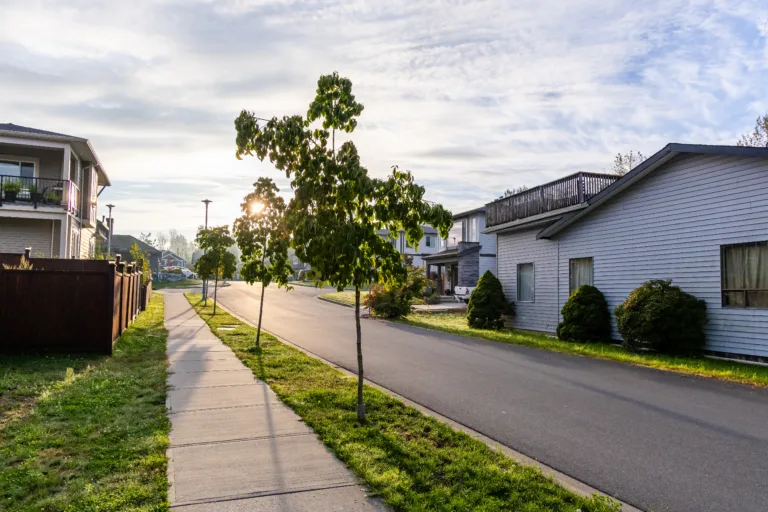
The northern part of Monrovia, near the foothills of the San Gabriel Mountains, is known for its scenic views, tree-lined streets, and larger lots. These neighborhoods often feature classic Craftsman and mid-century homes. North Monrovia, CA appeals to buyers seeking a quieter, more residential feel while still being close to the city’s amenities.
Mayflower Village & South Monrovia Area
Located closer to the 210 Freeway and bordering adjacent cities, this area offers a mix of single-family homes and multifamily properties. It provides relatively convenient access to commuting routes while still benefiting from Monrovia’s city services and parks.
Transit-Oriented Developments Near The Metro Station
With access to the Metro A Line in neighboring Duarte/Monrovia, newer developments near transit stops attract professionals who prefer to commute by rail. These communities often feature modern apartment buildings, townhomes, and mixed-use developments appealing to those who value convenience and lower car dependence.
Schools And Education In Monrovia CA
Education quality is an important consideration when evaluating the cost of living and overall value of Monrovia, CA. The city is primarily served by the Monrovia Unified School District, which includes elementary, middle, and high schools. Families can also choose from nearby private and charter school options in the broader San Gabriel Valley.
The table below provides a general overview of school types in Monrovia, CA. For the most accurate and up-to-date information, parents should review individual school ratings, test scores, and program offerings.
| School Level (Monrovia, CA) | Options & Notes |
|---|---|
| Elementary Schools | Multiple neighborhood schools offering TK–5 programs with emphasis on literacy, STEM, and enrichment |
| Middle Schools | Public middle schools serving grades 6–8, with honors and elective options |
| High Schools | Comprehensive public high school options with AP, career technical education, and extracurricular programs |
| Private & Parochial Schools | Several faith-based and independent school choices in and around Monrovia, CA |
| Colleges & Universities Nearby | Easy access to institutions in Pasadena, Azusa, and the greater Los Angeles area |
Families relocating to Monrovia, CA often cite the city’s schools, community programs, and youth sports as key reasons for choosing the area. The presence of strong educational resources can also support long-term property value stability.
Living In Monrovia CA Balancing Salary And Lifestyle
Living in Monrovia, CA involves balancing a relatively high cost of living with access to strong job markets, attractive neighborhoods, and respected schools. While housing and transportation costs can be substantial, many residents find that the city’s quality of life—including its historic downtown, community events, and proximity to both mountains and major employment centers—makes the trade-off worthwhile.
By carefully evaluating your expected salary in Monrovia, CA, planning a realistic housing budget, and choosing a neighborhood that aligns with your lifestyle needs, you can make an informed decision about whether Monrovia is the right fit. As you research further, consider working with a local real estate professional, reviewing current cost of living calculators, and exploring the city in person to experience what daily life in Monrovia, CA truly feels like.
Living in Monrovia, CA: Frequently Asked Questions
What is it like to live in Monrovia, CA?
Monrovia offers a small-city feel with convenient access to the greater Los Angeles area. Residents enjoy a historic Old Town district with shops, restaurants, and community events, along with tree-lined residential streets and views of the San Gabriel Mountains. The city is known for its family-friendly environment, walkable neighborhoods, and active community programs. While the cost of living is higher than the national average, many residents appreciate the balance of suburban comfort and urban accessibility.
How is the cost of living and housing market in Monrovia?
The cost of living in Monrovia is relatively high compared with many parts of the United States, in line with much of Southern California. Housing is the largest expense, with home prices and rents above the national average but generally more moderate than in some nearby coastal cities. Monrovia offers a mix of historic homes, townhomes, and apartment communities. Prospective residents should budget carefully for housing, utilities, transportation, and local taxes when planning a move to the area.
What is the commute and public transportation like in Monrovia?
Monrovia is served by the Metro A Line (light rail), providing direct access to Pasadena and downtown Los Angeles, which is convenient for commuters who prefer not to drive. The city also offers local bus services and shuttles. Many residents commute by car using the 210 Freeway and other regional routes, and traffic can be heavy during peak hours, typical of the Los Angeles area. Biking and walking are feasible for shorter trips, especially around Old Town and nearby residential neighborhoods.
What are the schools and educational options like in Monrovia?
Monrovia is served by the Monrovia Unified School District, which operates neighborhood elementary schools, middle schools, and Monrovia High School. The district offers various academic and extracurricular programs, including advanced placement courses and career-focused pathways. Nearby communities provide access to private schools, charter schools, and specialized academies. For higher education, residents can reach local community colleges and universities in the San Gabriel Valley and greater Los Angeles area within a reasonable commute.
What amenities, recreation, and outdoor activities are available in Monrovia?
Monrovia offers a variety of parks, recreational facilities, and outdoor opportunities. Monrovia Canyon Park and nearby trails in the San Gabriel Mountains are popular for hiking and nature viewing. The city maintains sports fields, playgrounds, and community centers that host fitness classes, youth sports, and senior programs. Old Town Monrovia features weekly farmers markets, seasonal events, and a range of dining and shopping options. Residents also have access to regional attractions, cultural venues, and entertainment throughout the Los Angeles metropolitan area.


latest video

news via inbox
Sign up to get local tips delivered to your inbox.