
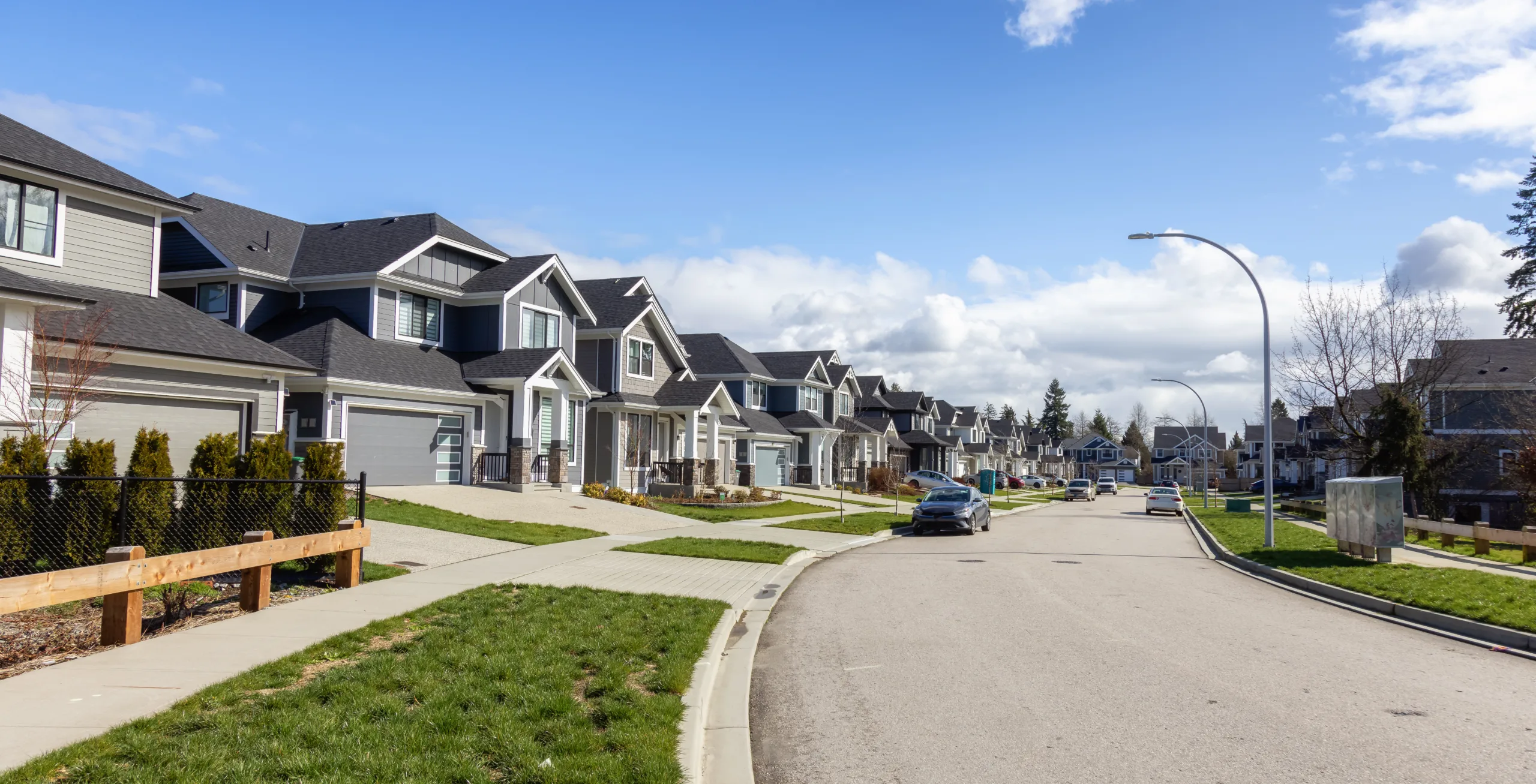
Salary, Cost of Living & Best Neighborhoods in Dallas, TX
Dallas, TX
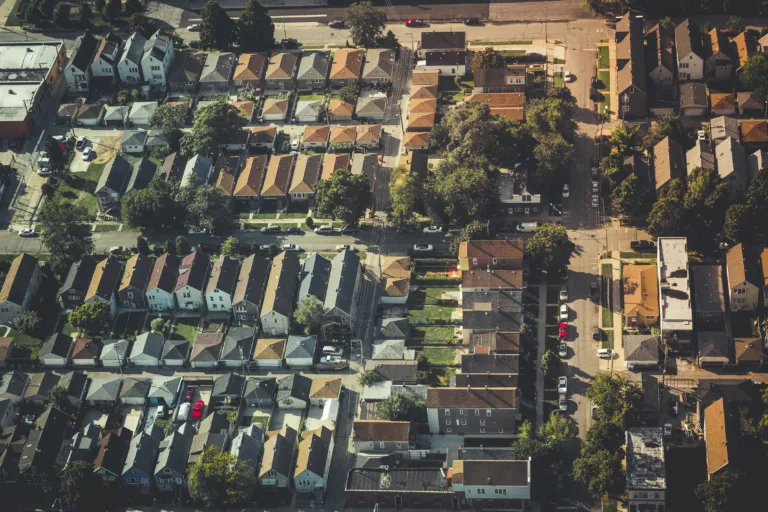
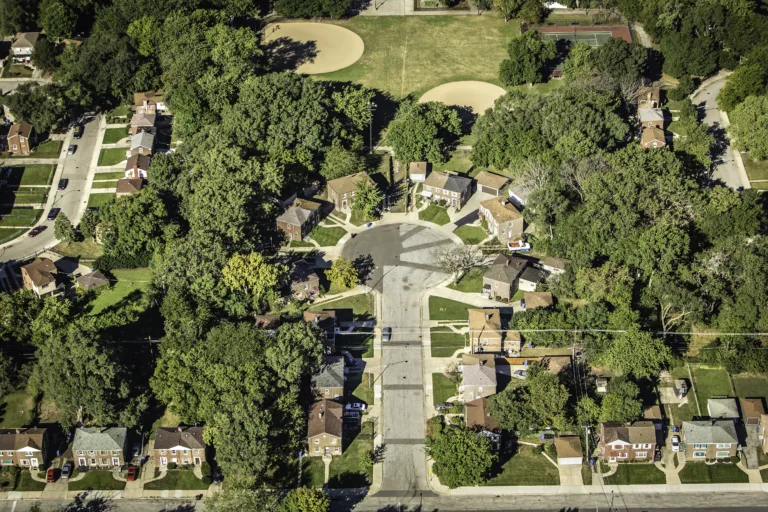
Salary And Cost Of Living In Dallas TX
Dallas, Texas is one of the fastest‑growing metropolitan areas in the United States, drawing professionals, families, and businesses from around the country. With its diverse economy, relatively affordable housing compared with coastal cities, and strong job market, Dallas has become a top destination for relocation. However, understanding the salary expectations and cost of living in Dallas TX is essential before making a move. The following guide provides a detailed overview of average salaries, everyday expenses, home values, rents, neighborhoods, and schools to help you make an informed decision.
Average Salary In Dallas TX
The job market in Dallas is powered by major industries such as finance, technology, healthcare, transportation, and energy. As a result, salaries can vary widely depending on your profession and experience level. Overall, the average salary in Dallas TX remains competitive compared with other major U.S. cities, especially when adjusted for the local cost of living.
Below is an illustrative table of common salaries in Dallas, Texas (approximate annual gross pay):
| Job Title (Dallas, TX) | Average Salary (Annual) |
|---|---|
| Software Engineer | $100,000 – $125,000 |
| Registered Nurse | $75,000 – $95,000 |
| Financial Analyst | $70,000 – $90,000 |
| Project Manager | $85,000 – $110,000 |
| Teacher (K–12) | $55,000 – $70,000 |
| Administrative Assistant | $42,000 – $55,000 |
Because Texas has no state income tax, your take‑home pay in Dallas can feel higher than in states with similar salaries but higher tax burdens. When you factor in this benefit alongside housing and transportation costs, Dallas becomes particularly attractive for professionals seeking a balance between income and lifestyle.
Cost Of Living In Dallas TX
The overall cost of living in Dallas TX is typically lower than in many coastal cities such as San Francisco, Los Angeles, or New York. Nevertheless, as more residents move to North Texas, prices for housing and services have risen in recent years. Even with these increases, Dallas is still often considered moderately affordable among large U.S. metro areas.
The following table outlines typical monthly expenses for a single professional living in Dallas, excluding discretionary spending and savings:
| Expense Category (Dallas, TX) | Estimated Monthly Cost |
|---|---|
| Rent (1‑Bedroom Apartment) | $1,400 – $1,900 |
| Utilities (Electric, Water, Trash) | $150 – $220 |
| Internet | $60 – $90 |
| Groceries | $350 – $550 |
| Transportation (Gas / Transit / Parking) | $200 – $350 |
| Health Insurance & Medical | $200 – $400 |
When evaluating the cost of living in Dallas TX, it is also important to consider transportation. The city is car‑centric, so fuel, insurance, and parking can add up. While DART (Dallas Area Rapid Transit) provides light rail and buses, many residents still rely on personal vehicles for convenience.
Average Home Values And Rents In Dallas TX
Housing is a primary driver of overall expenses, so understanding average home values and rents in Dallas TX is crucial. Dallas offers a wide range of housing options, from downtown high‑rise apartments to quiet suburban neighborhoods and historic districts.
The chart below provides an illustrative snapshot of current price ranges:
| Housing Type (Dallas, TX) | Typical Price / Rent Range |
|---|---|
| Median Single‑Family Home Value | $380,000 – $450,000 |
| Entry‑Level Home (Starter, Smaller Lots) | $280,000 – $350,000 |
| 1‑Bedroom Apartment Rent | $1,400 – $1,900 / month |
| 2‑Bedroom Apartment Rent | $1,800 – $2,400 / month |
| Luxury Downtown / Uptown Apartment | $2,500+ / month |
Rents in Dallas TX tend to be higher in neighborhoods close to major employment centers, nightlife, and cultural amenities, such as Uptown, Downtown, and the Design District. By contrast, areas farther from the city core may offer more space for a lower price, although commuting times can increase significantly.
Best Neighborhoods In Dallas TX
When choosing where to live, it is helpful to explore the best neighborhoods in Dallas TX based on lifestyle, budget, and proximity to work or school. Dallas features an impressive mix of urban, suburban, and historic areas, each with its own character.
| Neighborhood (Dallas, TX) | Key Features | Typical Home / Rent Range |
|---|---|---|
| Uptown Dallas | Walkable, vibrant nightlife, luxury apartments, close to Downtown | Rent: $2,000+; Condos: $400,000+ |
| Lakewood / East Dallas | Near White Rock Lake, tree‑lined streets, older homes with character | Homes: $500,000 – $900,000+ |
| Oak Lawn | Central location, townhomes and condos, popular with young professionals | Rent: $1,800 – $2,500; Homes: $450,000+ |
| Preston Hollow | Upscale, large lots, luxury estates, strong private school access | Homes: $900,000 – multi‑million |
| Bishop Arts District (North Oak Cliff) | Eclectic, artsy, independent shops and restaurants, historic homes | Homes: $350,000 – $650,000; Rent: $1,600 – $2,300 |
Beyond these central neighborhoods, many families consider nearby suburbs in the Dallas‑Fort Worth area, such as Plano, Frisco, Allen, or Richardson, for their strong schools and master‑planned communities. While technically outside the Dallas city limits, these communities are part of the broader North Texas lifestyle and commuting pattern.
Schools And Education In Dallas TX
For families, the quality of schools in Dallas TX is often a top priority. Dallas is served by the Dallas Independent School District (DISD), along with numerous charter, magnet, and private schools. Additionally, the broader Dallas‑Fort Worth region offers highly rated suburban school districts that many parents seek out.
The chart below summarizes several educational options in and around Dallas, Texas:
| School / District (Dallas Area) | Type | Notable Highlights |
|---|---|---|
| Dallas ISD Magnet Schools | Public Magnet | Strong programs in STEM, arts, and collegiate academies |
| Highland Park ISD | Public (Adjacent to Dallas) | Consistently top‑ranked, strong academics and extracurriculars |
| Plano ISD / Frisco ISD | Public Suburban | Highly rated for college readiness and advanced coursework |
| Private & Parochial Schools (Dallas) | Private | Wide range of faith‑based and independent options across the city |
| Colleges & Universities (Dallas) | Higher Education | Home to SMU, UT Dallas (nearby), community colleges, and trade schools |
Because quality varies from campus to campus, it is wise to review school ratings, visit campuses, and speak with local parents when evaluating neighborhoods in Dallas TX. Many families use school performance as a determining factor when choosing between Dallas city neighborhoods and nearby suburbs.
Living Comfortably On A Dallas TX Salary
Ultimately, whether a particular salary is sufficient in Dallas TX depends on your lifestyle, housing preferences, and family size. However, by combining the information on average salary, cost of living, home values, and rents in Dallas TX, you can develop a realistic budget.
As a general guideline, many single professionals find that an annual income in the range of $70,000 – $90,000 allows for a comfortable lifestyle in Dallas, especially in centrally located apartments. Families, particularly those seeking larger homes and access to top‑tier schools, may look for combined household incomes above $120,000, depending on debt, childcare costs, and personal priorities.
Dallas, Texas remains an appealing choice for people who want strong career opportunities, a vibrant cultural scene, and a cost of living that is often more manageable than other major metropolitan centers. By carefully evaluating salaries, neighborhoods, and schools, you can decide where in Dallas TX to call home and how to make the most of your move to North Texas.
Frequently Asked Questions About Living in Dallas, TX
What are the best neighborhoods to live in Dallas, TX?
What is the cost of living like in Dallas compared to other major U.S. cities?
What is the climate like in Dallas, and how hot does it get in the summer?
How is the job market and economy in Dallas, TX?
What is transportation like in Dallas, and do I need a car?



latest video

news via inbox
Sign up to get local tips delivered to your inbox.