
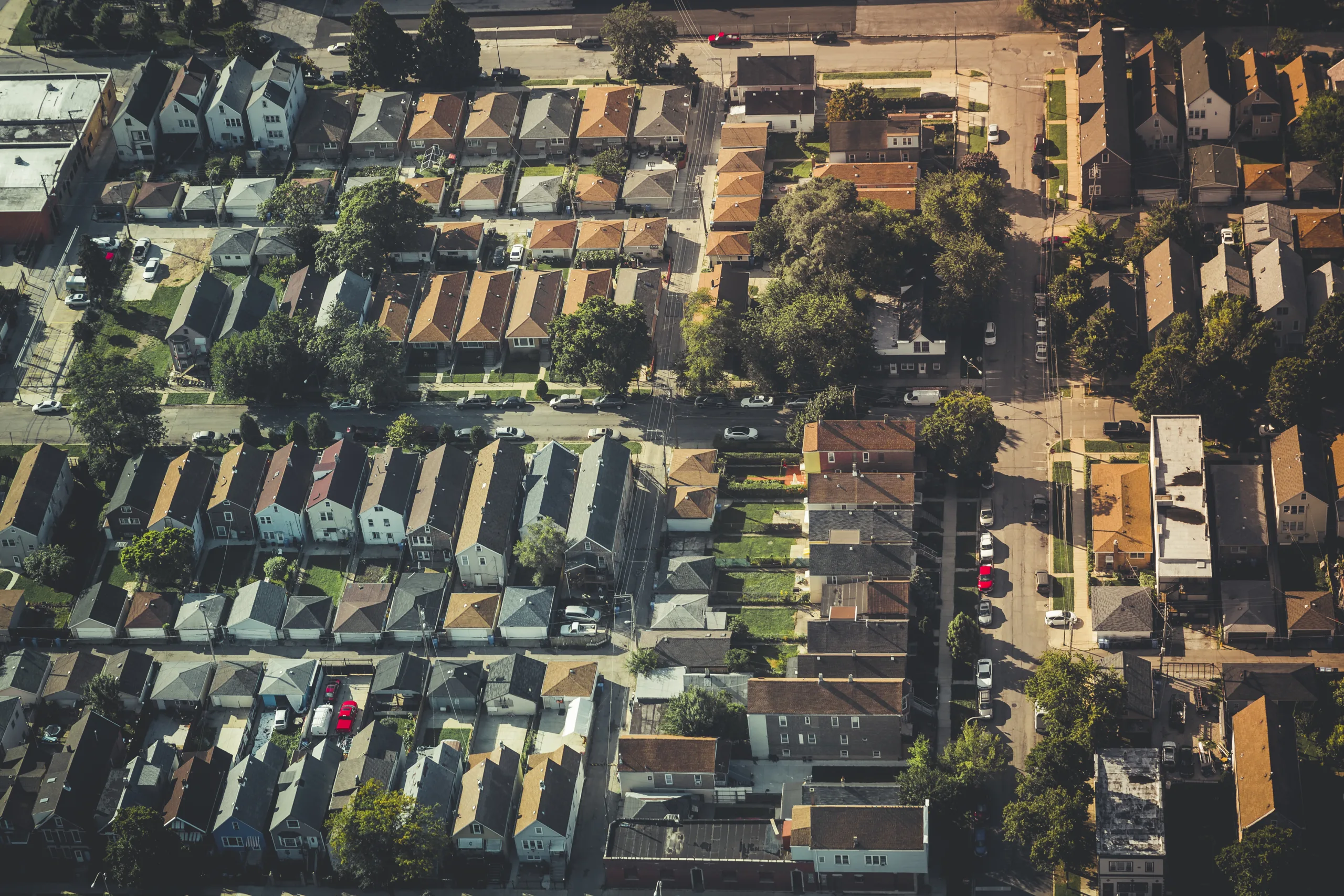
Salary, Cost of Living & Best Neighborhoods in Compton, CA
Compton, CA
Salary And Cost Of Living In Compton CA
Compton, CA is a historically significant city in Los Angeles County that has been undergoing steady revitalization. Its location near major employment hubs such as Downtown Los Angeles, Long Beach, and the South Bay makes it attractive to workers seeking relatively more affordable housing while staying close to urban job markets. Understanding the salary expectations and overall cost of living in Compton, CA can help residents, new arrivals, and investors make informed decisions about where to live and work.
Below, we will explore the average salaries in Compton, CA, the cost of living, average home values and rents, and the best neighborhoods and schools in Compton, CA. These insights are especially useful for families planning a move, professionals comparing nearby cities, and anyone considering real estate investment in the area.
Average Salary In Compton CA
The job market in Compton, CA is closely tied to the broader Los Angeles County economy. Major industries influencing local wages include logistics and warehousing, retail, healthcare, education, light manufacturing, and public sector employment. While many residents commute to nearby cities, salary data focused on Compton provides a realistic snapshot of what workers can expect.
In general, the average salary in Compton, CA ranges from the low to mid $40,000s per year, depending on occupation and experience. Entry-level roles in retail or warehousing may start closer to minimum wage, while skilled trades, healthcare, and management positions can earn significantly more. Because Compton is part of the Los Angeles metro area, pay rates are often influenced by regional union agreements and large employers in surrounding cities.
To give a clearer picture, the following table outlines typical annual salary ranges for common roles in and around Compton, CA:
| Job Category (Compton, CA) | Typical Annual Salary Range |
|---|---|
| Retail & Customer Service | $32,000 – $42,000 |
| Warehouse & Logistics | $35,000 – $50,000 |
| Skilled Trades (Electricians, Plumbers, etc.) | $50,000 – $75,000 |
| Healthcare Support & Nursing Assistants | $38,000 – $55,000 |
| Registered Nurses & Allied Health | $75,000 – $105,000 |
| Office & Administrative Roles | $40,000 – $60,000 |
| Education & Public Sector | $45,000 – $80,000 |
Because salaries can fluctuate with economic conditions, residents and job seekers in Compton, CA should regularly review local job postings and regional wage reports to stay current on compensation trends.
Cost Of Living In Compton CA
The cost of living in Compton, CA is generally lower than in many other parts of Los Angeles County, yet it remains higher than the national average. Housing is the largest expense for most households, but transportation, food, and healthcare also contribute significantly to monthly budgets.
Compton’s location near major freeways and transit corridors makes commuting relatively convenient, but rising gas prices and insurance costs can still impact overall affordability. Groceries and utilities are comparable to much of Southern California, while healthcare costs may vary depending on insurance coverage and providers.
The table below offers an approximate comparison of Compton’s cost of living against national and Los Angeles metro averages:
| Cost Category | Compton, CA Index* | Los Angeles Metro Index* | US Average Index* |
|---|---|---|---|
| Overall Cost Of Living | 125 | 150 | 100 |
| Housing | 140 | 190 | 100 |
| Groceries | 110 | 115 | 100 |
| Transportation | 130 | 135 | 100 |
| Healthcare | 105 | 110 | 100 |
| Utilities | 105 | 110 | 100 |
*Index values are relative estimates, where 100 represents the national average. While these numbers are approximate, they help illustrate that Compton, CA offers somewhat more affordable living than many other Los Angeles communities, especially with respect to housing.
Average Home Values And Rents In Compton CA
Real estate in Compton, CA has evolved significantly over the last decade. As nearby cities have become increasingly expensive, more buyers and renters have turned to Compton for comparatively lower home prices and rental rates. That said, home values have risen over time as demand has grown.
The average home value in Compton, CA typically falls below the overall Los Angeles County median, making it a potential entry point for first-time buyers. Single-family homes are the most common housing type, with a growing presence of townhomes and small multi-family properties. Investors often look at Compton for long-term rental opportunities due to regional job access and housing demand.
Rental prices in Compton, CA vary based on location, property condition, and unit size. One-bedroom apartments and smaller homes are usually the most affordable, while larger single-family homes command higher rents. The following table provides an illustrative snapshot of home values and typical rents:
| Property Type (Compton, CA) | Estimated Median Purchase Price | Typical Monthly Rent Range |
|---|---|---|
| 1-Bedroom Apartment | N/A (Primarily Rental) | $1,500 – $1,900 |
| 2-Bedroom Apartment / Duplex | $420,000 – $480,000 | $1,900 – $2,400 |
| 3-Bedroom Single-Family Home | $520,000 – $600,000 | $2,400 – $3,000 |
| 4-Bedroom Single-Family Home | $600,000 – $700,000+ | $2,800 – $3,500+ |
While these figures are estimates and change over time, they demonstrate that home values and rents in Compton, CA generally remain below many neighboring cities, offering a balance between affordability and access to the greater Los Angeles area.
Best Neighborhoods In Compton CA
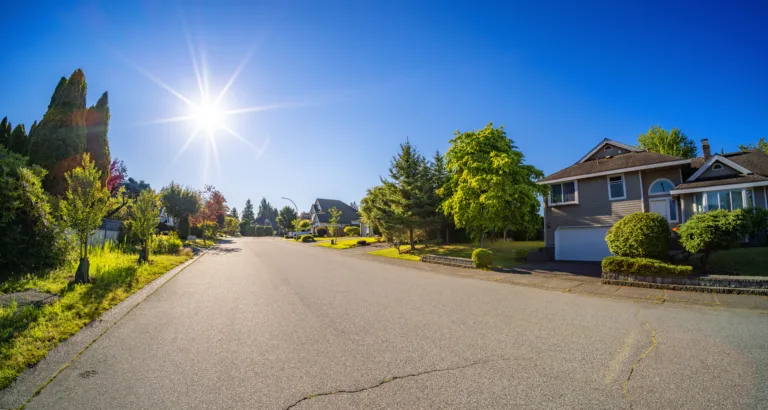
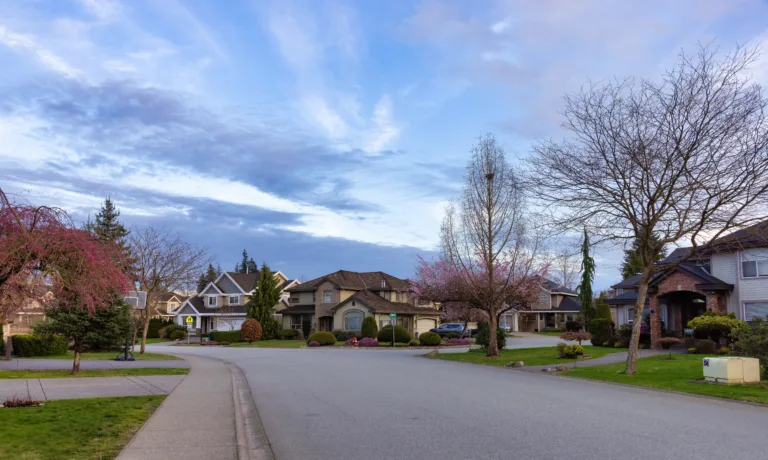
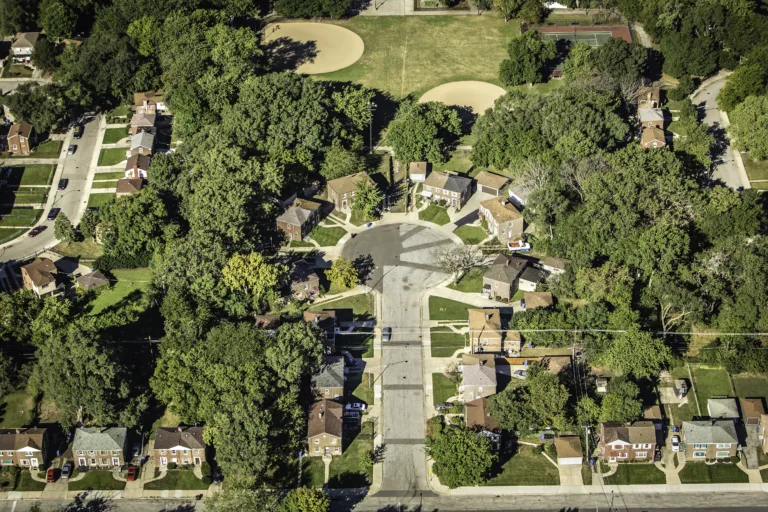
When exploring the best neighborhoods in Compton, CA, buyers and renters typically look for a combination of housing quality, community amenities, and convenient access to schools and transportation. Compton offers a number of established residential areas with tree-lined streets and single-family homes.
Some of the neighborhoods and areas often cited by residents include:
Rosewood Area – Known for primarily residential streets and proximity to local parks and schools, this area can appeal to families seeking a quieter environment while still being close to major routes.
Leland and Surrounding Blocks – Featuring many single-family homes, these streets offer a traditional suburban feel and are within reasonable driving distance of employment centers.
West Compton Adjacent Areas – Locations near the western edges of Compton, close to Gardena and Carson, may provide easier freeway access and commuting options, which can be especially attractive for professionals.
Central Compton – While more urban in character, central parts of the city are near civic facilities, shopping, and public transit, making daily errands more convenient.
Ultimately, the best neighborhood in Compton, CA for any individual or family depends on personal priorities such as proximity to work, school preferences, and desired home size. Touring multiple neighborhoods at different times of day is advisable to get a full sense of each area’s character.
Schools In Compton CA
Families considering a move often place strong emphasis on education, and the schools in Compton, CA are a key part of the community’s identity. The Compton Unified School District serves most of the city, offering elementary, middle, and high schools, as well as specialized programs and charter options.
Local schools have been actively working to improve academic performance, expand college and career readiness programs, and enhance campus facilities. Some schools partner with local colleges and organizations to provide enrichment opportunities, tutoring, and extracurricular activities.
The following table summarizes the main types of educational institutions residents can access in Compton, CA:
| School Type (Compton, CA) | Examples / Notes |
|---|---|
| Public Elementary Schools | Neighborhood schools serving K–5 or K–6 with a focus on literacy, math, and foundational skills. |
| Public Middle Schools | Serving grades 6–8 or 7–8, often offering sports, music, and after-school programs. |
| Public High Schools | Comprehensive high schools with athletics, arts, and college-prep courses. |
| Charter & Magnet Schools | Specialized programs emphasizing STEM, arts, or college readiness. |
| Nearby Community Colleges & Universities | Easy access to institutions in the broader Los Angeles area for higher education and workforce training. |
Parents should review school performance data, visit campuses when possible, and speak with other families to determine which Compton, CA schools best meet their children’s needs.
Living And Working In Compton CA
Taken together, the salary levels, cost of living, home values, and schools in Compton, CA paint a picture of a city that offers relative affordability within the greater Los Angeles region. While housing prices and rents have risen over time, Compton remains more accessible than many nearby communities, particularly for first-time buyers and budget-conscious renters.
With ongoing neighborhood revitalization, expanding educational initiatives, and convenient access to major employment centers, Compton, CA continues to evolve as a place where residents can build careers, invest in property, and raise families. By carefully comparing salaries, monthly expenses, and neighborhood characteristics, individuals and families can determine whether living in Compton, CA aligns with their financial goals and lifestyle priorities.
Frequently Asked Questions About Living in Compton, CA
What is the cost of living like in Compton, CA?
The cost of living in Compton is generally lower than in many other parts of Los Angeles County, particularly when it comes to housing. Rental prices and home values are often more affordable compared to neighboring cities such as Long Beach or central Los Angeles. However, residents should still expect typical Southern California expenses, including higher-than-average transportation and utility costs. Groceries, healthcare, and everyday services are roughly in line with the wider Los Angeles metro area. Overall, Compton can offer relatively more value for money, especially for those prioritizing access to the greater Los Angeles region while seeking more budget-conscious housing options.
Is Compton a convenient location for commuting and transportation?
Compton is well-situated for commuting within the Los Angeles area. The city is served by several major freeways, including the 91, 105, 110, and 710, providing access to downtown Los Angeles, Long Beach, and other regional employment centers. Public transportation options include Metro bus lines and the Metro A Line (Blue), which has stations in and near Compton and connects to downtown Los Angeles and Long Beach. While traffic can be heavy during peak hours, as is typical across Southern California, many residents find that Compton’s central location offers flexibility for both work and leisure travel throughout the region.
What are the schools and educational opportunities like in Compton?
Compton is served primarily by the Compton Unified School District, which operates a range of elementary, middle, and high schools. The district has been investing in programs focused on STEM education, arts, and college readiness, and some campuses offer specialized academies or magnet-style programs. In addition to public schools, families may find charter and private school options in Compton and neighboring communities. For higher education, residents have convenient access to Compton College, as well as nearby institutions such as California State University, Dominguez Hills and other colleges within the greater Los Angeles area. Prospective residents are encouraged to review individual school performance data and visit campuses to assess the best fit for their needs.
What is the community and lifestyle like in Compton?
Compton has a strong sense of community, with many long-time residents, local businesses, and neighborhood-based organizations. The city has a rich cultural history and an active civic environment, with community events, youth programs, and recreational activities taking place throughout the year. Residents can access parks, sports facilities, and community centers that support family-oriented and fitness-focused lifestyles. The city is also undergoing ongoing revitalization projects aimed at improving public spaces, infrastructure, and economic development. While experiences can vary by neighborhood, many residents value the city’s deep roots, cultural diversity, and community pride.
What amenities and services are available to residents in Compton?
Residents of Compton have access to a variety of amenities and services, including grocery stores, retail centers, restaurants, and local shops. The city features multiple parks, recreation facilities, and a civic center complex that houses public services. Healthcare needs can be met through clinics, medical offices, and nearby hospitals in adjacent communities. Compton also has libraries, youth and senior programs, and faith-based organizations that contribute to community life. For broader shopping, entertainment, and dining options, residents frequently visit nearby cities such as Long Beach, Carson, and South Los Angeles, all of which are reachable within a short drive or by public transit.



latest video


news via inbox
Sign up to get local tips delivered to your inbox.