
Salary, Cost of Living & Best Neighborhoods in Cincinnati, OH
Cincinnati, OH
Salary And Cost Of Living In Cincinnati OH
Cincinnati, OH is increasingly recognized as a city that offers a strong balance between income potential and affordability. Situated along the Ohio River, the Queen City combines a diversified economy, reasonable housing costs, and strong community amenities. For individuals and families considering a move, or locals evaluating their financial outlook, understanding the average salary, cost of living, housing market, neighborhoods, and schools in Cincinnati, Ohio is essential. The following guide provides an in-depth look at what it really costs to live and work in Cincinnati, OH, and how far your paycheck can go.
Average Salary In Cincinnati OH
The job market in Cincinnati, Ohio is anchored by major employers in healthcare, finance, consumer goods, logistics, and education. Companies such as Procter & Gamble, Kroger, Fifth Third Bank, and several large hospital systems help keep local wages competitive. Overall, salaries in Cincinnati, OH tend to be very favorable when compared to the relatively low cost of living.
While exact numbers vary by industry and experience level, here is a helpful overview of typical income levels in Cincinnati, OH:
| Income Metric – Cincinnati, OH | Estimated Amount (Annual) |
|---|---|
| Median Household Income | $55,000 – $65,000 |
| Average Individual Salary | $50,000 – $60,000 |
| Early-Career Professional (3–5 Years) | $45,000 – $70,000 |
| Experienced Professional (10+ Years) | $70,000 – $110,000+ |
These estimates show that many residents can achieve a comfortable lifestyle, particularly when combined with the relatively low prices for housing, groceries, and transportation that Cincinnati, OH offers. Moreover, the city’s stable economic base and ongoing downtown and neighborhood revitalization efforts continue to support job growth and wage competitiveness.
Cost Of Living In Cincinnati OH
One of the biggest advantages of living in Cincinnati, OH is its affordable cost of living when compared with many other midsize and large metropolitan areas in the United States. Many cost-of-living indexes rank Cincinnati below the national average, especially in the areas of housing and utilities.
The following table offers a broad comparison of common expenses in Cincinnati, Ohio versus estimated national averages:
| Expense Category | Cincinnati, OH | Estimated National Average |
|---|---|---|
| Overall Cost Of Living Index | About 90–95 (U.S. = 100) | 100 |
| Groceries | Slightly Below Average | Average |
| Utilities | Near Or Slightly Below Average | Average |
| Transportation | Below Or Near Average | Average |
| Healthcare | Near Average | Average |
| Housing | Significantly Below Average | Average |
Because housing is one of the largest components of overall expenses, Cincinnati’s lower-than-average housing costs have a substantial impact on residents’ budgets. This helps many individuals and families stretch their salaries further, save for the future, or enjoy more discretionary spending on entertainment, dining, and travel.
Average Home Values And Rents In Cincinnati OH
The local real estate market in Cincinnati, OH offers a wide range of options, from historic homes in walkable neighborhoods to new developments in the suburbs. In comparison to many coastal or high-growth markets, home values and rents in Cincinnati are generally affordable, making homeownership achievable for many households.
The following comparison chart summarizes typical housing costs in Cincinnati, Ohio:
| Housing Metric – Cincinnati, OH | Estimated Amount |
|---|---|
| Median Home Value (City Of Cincinnati) | $200,000 – $260,000 |
| Median Home Value (Greater Metro Area) | $240,000 – $300,000 |
| Average Rent – 1 Bedroom Apartment | $1,000 – $1,300 Per Month |
| Average Rent – 2 Bedroom Apartment | $1,200 – $1,600 Per Month |
| Average Rent – 3 Bedroom Home | $1,600 – $2,200 Per Month |
These estimates can vary depending on neighborhood, school district, and amenities. Urban areas such as Over-the-Rhine or the Central Business District may command higher rents due to walkability and proximity to employers, while some outlying neighborhoods offer greater space and lower prices. Nonetheless, in most parts of Cincinnati, OH, the ratio of salary to housing cost remains favorable, especially when compared with national hotspots.
Best Neighborhoods In Cincinnati OH
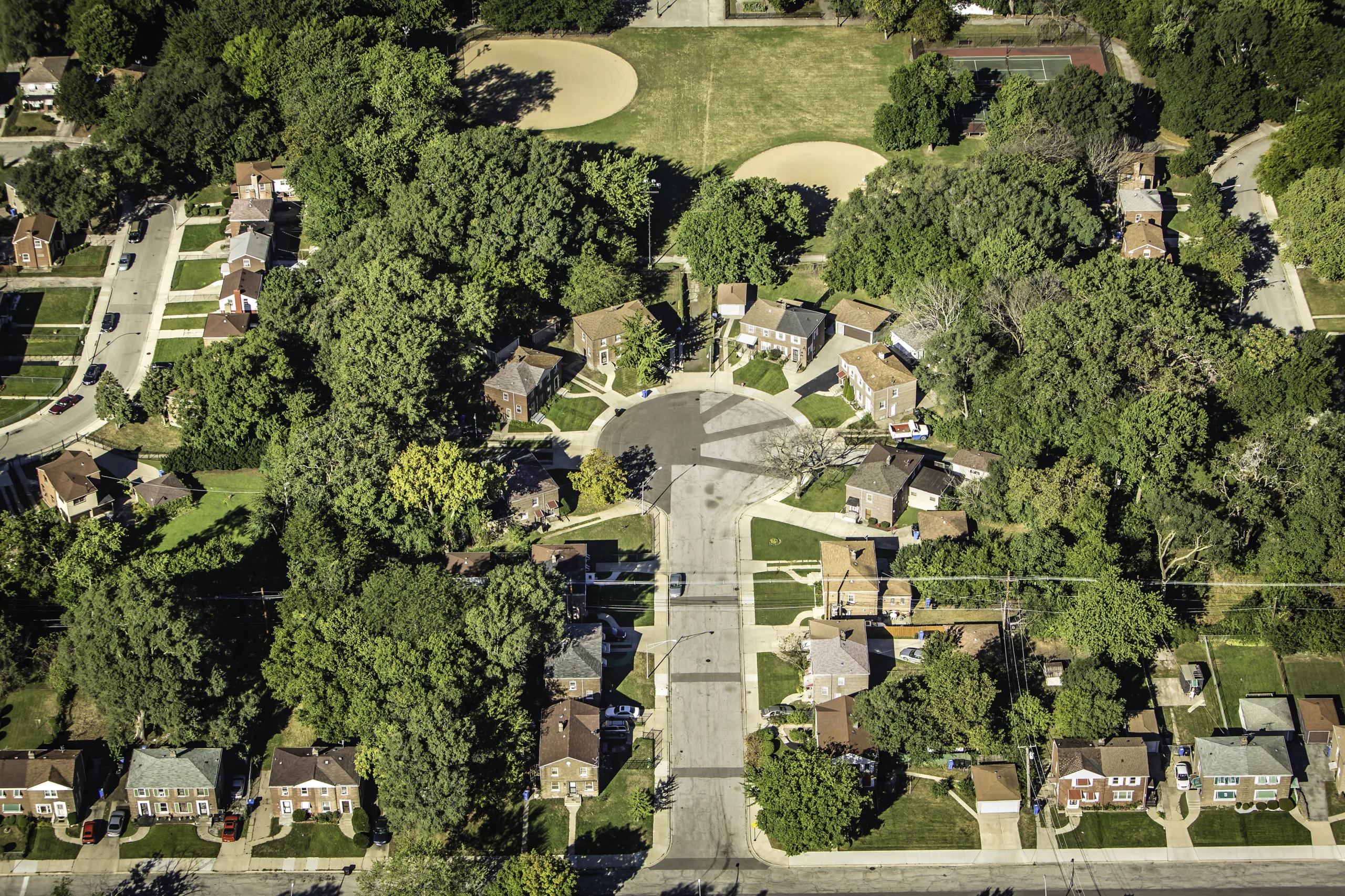
Cincinnati, Ohio is a city of distinct neighborhoods, each with its own character, price point, and lifestyle. From historic architecture to new construction, residents can choose areas that best match their commuting needs, school preferences, and social life. Below is a snapshot of several highly regarded neighborhoods in Cincinnati, OH and their general profiles.
| Neighborhood – Cincinnati, OH | Key Features | Typical Housing Costs |
|---|---|---|
| Hyde Park | Walkable square, upscale boutiques, restaurants, established residential streets. | Home prices often above city median; higher-end rentals. |
| Oakley | Trendy yet family-friendly; mix of single-family homes, apartments, and new townhomes. | Moderate to upper-moderate home and rent prices. |
| Mount Lookout | Scenic, residential feel, close to parks and popular local bars and eateries. | Above-average home values; competitive rental market. |
| Over-the-Rhine (OTR) | Historic architecture, arts scene, nightlife, and restaurants; very urban. | Higher rents for renovated lofts and condos; some variation block-to-block. |
| Westwood | One of Cincinnati’s largest neighborhoods, more affordable with ongoing revitalization. | Below city median home prices; more budget-friendly options. |
| Clifton / Gaslight District | Close to University of Cincinnati; eclectic shops and historic homes. | Mix of student rentals and owner-occupied homes; moderate pricing. |
When selecting the best neighborhood in Cincinnati, OH, considerations such as commute times, access to parks and amenities, and school district boundaries all play an important role. Many residents find that neighborhoods slightly outside the urban core offer larger homes and yards while retaining relative proximity to downtown employers.
Schools And Education In Cincinnati OH
Education is a crucial factor in evaluating both quality of life and long-term value in any city, and Cincinnati, Ohio offers a diverse mix of public, private, and parochial school options. The region is served by Cincinnati Public Schools (CPS) along with numerous suburban districts in Hamilton County and nearby Butler, Warren, and Clermont counties.
The table below highlights key aspects of schooling in and around Cincinnati, OH:
| Education Option – Cincinnati, OH Area | General Characteristics |
|---|---|
| Cincinnati Public Schools (CPS) | Offers neighborhood schools and selective magnet programs; diverse student population; emphasis on college and career readiness. |
| Suburban Public School Districts | Districts such as Wyoming, Indian Hill, Mason, and Mariemont (among others) are often noted for strong academic results and extracurricular offerings. |
| Private And Parochial Schools | A wide range of faith-based and independent schools provide additional options at various tuition levels. |
| Higher Education | University of Cincinnati, Xavier University, and nearby regional colleges support a strong higher education ecosystem and contribute to local employment. |
Because school boundaries and performance ratings can influence both home values and rental demand, families considering a move to Cincinnati, OH often research specific districts and neighborhoods in detail. Areas with highly rated schools frequently command higher housing prices, yet they can also offer long-term resale advantages and educational benefits.
Living Comfortably On A Cincinnati OH Salary
When salaries, housing costs, and general expenses are considered together, it becomes clear that Cincinnati, OH offers a strong value proposition for many residents. Median incomes are competitive for the Midwest, and the relatively low cost of housing, groceries, and transportation allows many households to live comfortably on moderate salaries.
For young professionals, Cincinnati’s growing job market and vibrant downtown provide career opportunities and entertainment options. For families, a combination of neighborhood diversity, affordable homes, and multiple school options can translate into a high quality of life at a manageable cost. Retirees, meanwhile, may appreciate the city’s medical facilities, cultural attractions, and reasonable property taxes.
Ultimately, whether you are relocating for work, evaluating a job offer, or simply comparing cities, the salary and cost of living in Cincinnati, Ohio generally align in a way that favors residents. With careful planning and thoughtful neighborhood selection, many people find that their income goes further in Cincinnati, allowing them to build savings, invest in a home, and enjoy the region’s rich cultural and recreational opportunities.
Frequently Asked Questions About Living in Cincinnati, Ohio
What is the cost of living like in Cincinnati, OH?
Cincinnati generally offers a lower cost of living than many other U.S. cities of similar size. Housing is comparatively affordable, with a range of options from historic neighborhoods to newer developments and suburban communities. Everyday expenses such as groceries, utilities, and transportation tend to be moderate, making the city appealing to young professionals, families, and retirees. While costs vary by neighborhood and lifestyle, residents often find that their income stretches further here than in many coastal or larger metropolitan areas.
Which neighborhoods are popular for new residents in Cincinnati?
Cincinnati offers a variety of distinct neighborhoods that appeal to different preferences. Over-the-Rhine (OTR) is popular for its historic architecture, restaurants, bars, and arts scene, drawing many young professionals. Hyde Park and Mount Lookout are known for their walkable squares, shops, and family-friendly atmosphere. Oakley offers a mix of urban convenience and community-focused events. Downtown Cincinnati appeals to those who want to live close to offices, sports venues, and cultural institutions, while neighborhoods such as West Chester and Mason in the northern suburbs attract families seeking strong schools and more space.
What is the job market like in Cincinnati?
Cincinnati has a diverse job market anchored by major employers in consumer goods, finance, healthcare, manufacturing, and insurance. Several Fortune 500 companies are headquartered in the region, creating opportunities in corporate roles, marketing, and operations. The healthcare sector is strong, with large hospital systems and research facilities. The city also has a growing startup and technology community supported by local incubators and co-working spaces. While conditions vary by industry, many residents find stable employment and opportunities for career growth within the metro area.
How is the transportation and commute in Cincinnati?
Commuting in Cincinnati is generally manageable, with drive times that are often shorter than in larger metropolitan areas. Many residents rely on personal vehicles, and major highways such as I-71, I-75, and I-275 provide regional connectivity, though rush-hour congestion can occur. The city is served by the Metro bus system, and the Cincinnati Bell Connector streetcar operates in a loop through downtown and Over-the-Rhine. Biking infrastructure and walking are viable in certain neighborhoods, especially those close to the urban core. Overall, the city offers multiple transportation options, but access to a car remains beneficial in many areas.
What is there to do for recreation and culture in Cincinnati?
Cincinnati offers a wide array of recreational and cultural activities. The city is known for its professional sports teams, including the Cincinnati Bengals (NFL) and Cincinnati Reds (MLB), as well as FC Cincinnati (MLS). Cultural institutions such as the Cincinnati Art Museum, Cincinnati Museum Center, and Cincinnati Symphony Orchestra provide year-round programming. The riverfront and parks, including Smale Riverfront Park and Eden Park, offer scenic outdoor spaces for walking, biking, and picnicking. The local dining scene features a mix of contemporary restaurants and regional specialties like Cincinnati-style chili. Seasonal festivals, live music, and theater performances contribute to a vibrant cultural environment for residents.



latest video


news via inbox
Sign up to get local tips delivered to your inbox.