
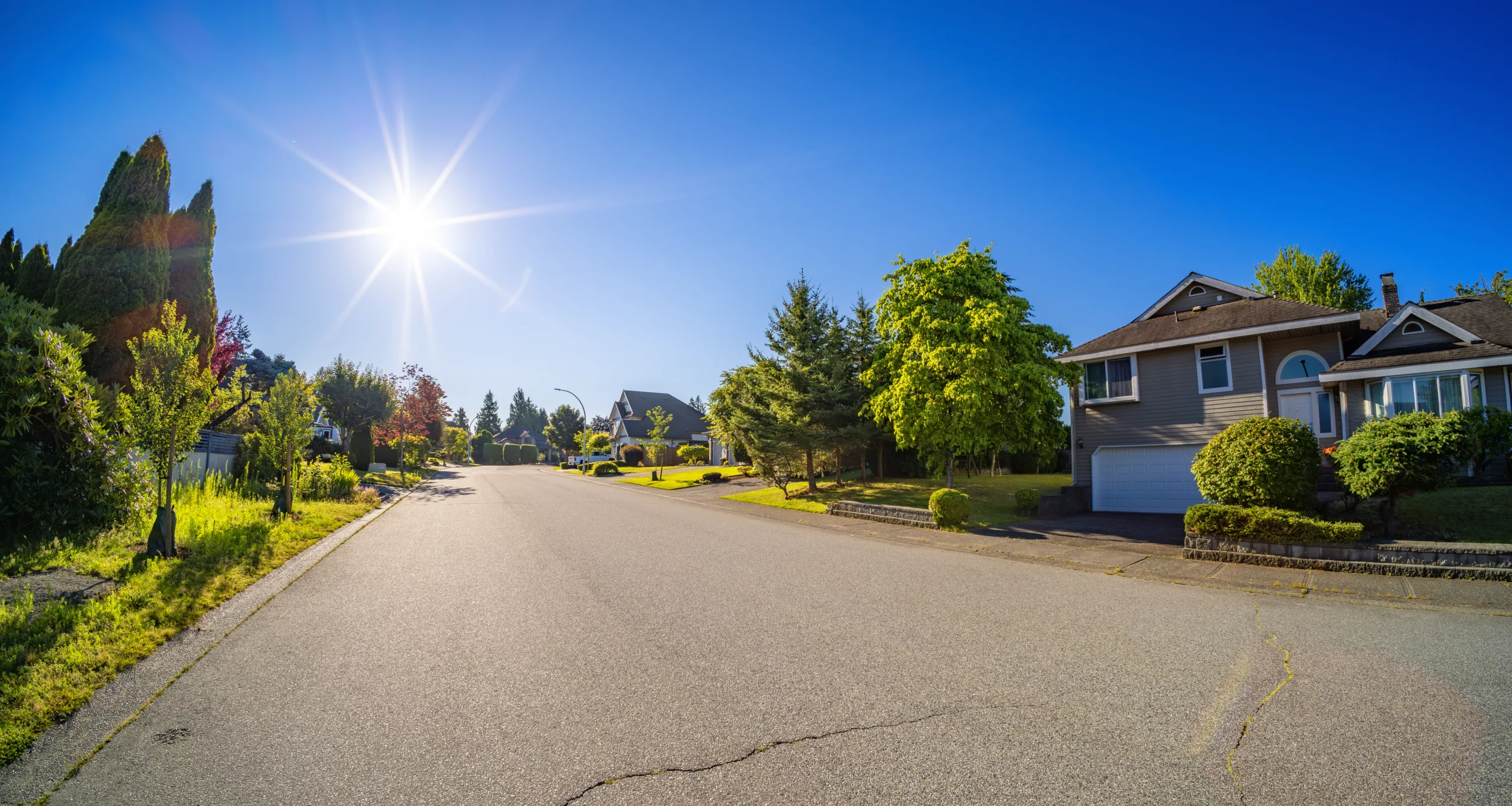
Salary, Cost of Living & Best Neighborhoods in Baltimore, MD
Baltimore, MD
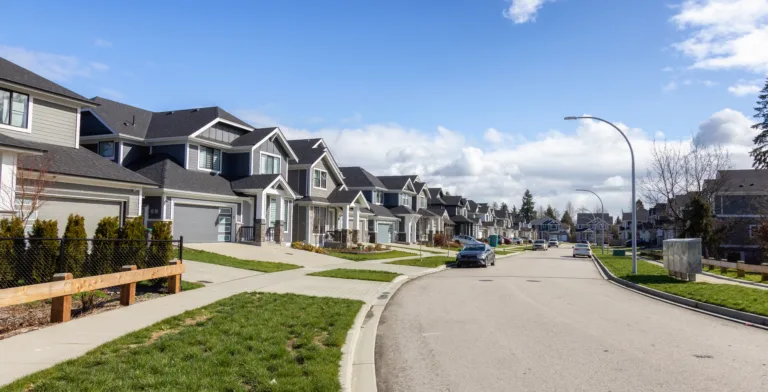
Salary And Cost Of Living In Baltimore MD
Baltimore, Maryland, is a historic port city that offers a blend of urban energy, waterfront charm, and relatively affordable living compared to many East Coast hubs. As more professionals, families, and retirees consider relocating to the region, understanding the salary levels, cost of living, housing market, neighborhoods, and schools in Baltimore MD becomes essential. The following guide provides a comprehensive overview designed to help you evaluate whether Baltimore fits your financial and lifestyle goals.
Average Salary In Baltimore MD
The average salary in Baltimore MD is influenced by its diverse economy, which includes strong sectors such as healthcare, education, government, biotechnology, and logistics. Major employers like Johns Hopkins University and Hospital, the University of Maryland Medical System, and various federal agencies anchor the local job market.
While individual earnings will vary based on industry, experience, and education, many residents find that wages are reasonably aligned with the city’s cost of living. Below is an illustrative breakdown of typical annual salaries for common roles in the Baltimore area.
| Occupation – Baltimore MD | Estimated Average Annual Salary |
|---|---|
| Registered Nurse | $80,000 – $95,000 |
| Software Developer | $95,000 – $115,000 |
| Public School Teacher | $60,000 – $75,000 |
| Administrative Assistant | $42,000 – $52,000 |
| Retail Associate | $30,000 – $36,000 |
| Customer Service Representative | $38,000 – $48,000 |
Overall, professional and technical roles in Baltimore MD are often well-compensated relative to housing and everyday expenses, which helps make the city an attractive option for career-minded individuals seeking value.
Cost Of Living In Baltimore MD
When evaluating the cost of living in Baltimore MD, it is helpful to compare it to other major metropolitan areas along the East Coast. Baltimore is typically less expensive than Washington DC, New York City, and Boston, especially in terms of housing and some services. However, costs such as healthcare, transportation, and groceries are broadly in line with national urban averages.
To better understand everyday expenses, the table below highlights representative monthly costs for a single adult or small household living in Baltimore.
| Expense Category – Baltimore MD | Typical Monthly Cost |
|---|---|
| Rent (1-Bedroom Apartment in City) | $1,400 – $1,900 |
| Utilities (Electric, Gas, Water, Trash) | $150 – $250 |
| Internet and Mobile Phone | $90 – $150 |
| Groceries (Per Person) | $300 – $450 |
| Public Transportation Pass | $80 – $90 |
| Gas and Car Insurance (If Driving) | $200 – $350 |
| Dining Out and Entertainment | $200 – $400 |
These estimates demonstrate that living in Baltimore MD can be relatively affordable, particularly when balanced against the average local salary. Moreover, residents who choose more budget-friendly neighborhoods or live with roommates can significantly reduce total monthly expenses. This cost structure makes Baltimore a compelling choice for young professionals and families seeking a mid-sized city with big-city amenities.
Average Home Values And Rents In Baltimore MD
The real estate market in Baltimore MD is known for its variety, offering everything from historic rowhomes and waterfront condos to suburban single-family houses. Compared with many other cities along the I‑95 corridor, home prices and rents in Baltimore can be more accessible, although they do vary widely by neighborhood.
The following chart-style table provides a snapshot of average home values and rental prices across different property types in Baltimore MD.
| Property Type – Baltimore MD | Estimated Average Home Value | Estimated Average Monthly Rent |
|---|---|---|
| Studio Apartment | $130,000 – $180,000 | $1,200 – $1,450 |
| 1-Bedroom Apartment/Condo | $160,000 – $230,000 | $1,400 – $1,900 |
| 2-Bedroom Rowhome or Condo | $200,000 – $300,000 | $1,800 – $2,300 |
| 3-Bedroom Single-Family Home | $280,000 – $380,000 | $2,200 – $2,800 |
| 4+ Bedroom Single-Family Home | $350,000 – $500,000+ | $2,700 – $3,500+ |
Because prices vary by neighborhood, many buyers and renters focus on specific areas that balance cost, amenities, and commute times. Exploring multiple Baltimore MD neighborhoods—from Federal Hill to Hampden to suburban communities—can reveal opportunities to secure more space or better value for your budget.
Best Neighborhoods In Baltimore MD
The best neighborhoods in Baltimore MD offer a wide range of lifestyles, from lively downtown living to quieter, tree-lined residential streets. Whether you prefer historic charm, nightlife, or family-friendly amenities, there is likely a Baltimore neighborhood that matches your priorities.
Here is a helpful overview of some popular neighborhoods and what sets them apart:
| Neighborhood – Baltimore MD | Key Characteristics |
|---|---|
| Federal Hill | Walkable, close to Inner Harbor, vibrant nightlife, popular with young professionals. |
| Canton | Waterfront access, lively bar and restaurant scene, mix of rowhomes and modern condos. |
| Fells Point | Historic cobblestone streets, harbor views, boutique shops, strong dining options. |
| Hampden | Quirky and artsy, independent shops, rowhomes, known for local festivals and community feel. |
| Mount Vernon | Cultural hub with museums and theaters, historic architecture, central location. |
| Locust Point | Quiet but close to downtown, waterfront parks, mix of renovated and newer homes. |
| Roland Park | Leafy residential area, larger homes, strong community associations, suburban feel. |
Choosing a neighborhood in Baltimore MD depends heavily on your lifestyle, commute, and budget. For example, young professionals may gravitate toward Federal Hill or Canton for walkability and nightlife, while families often appreciate the more residential atmosphere of Roland Park and nearby communities. Visiting several neighborhoods and consulting with local real estate experts can help narrow down your options.
Schools And Education In Baltimore MD
The schools in Baltimore MD include a broad range of public, charter, private, and parochial options. Baltimore City Public Schools serve residents within the city limits, while surrounding areas in Baltimore County have their own districts and performance profiles. Many families evaluate both public and private institutions to find the right fit.
Below is an illustrative overview of educational options in and around Baltimore MD:
| School Type – Baltimore MD | General Description |
|---|---|
| Public Elementary and Middle Schools | Varied performance levels; magnet and charter options may offer specialized programs in STEM, arts, or language immersion. |
| Public High Schools | Includes traditional, magnet, and career-focused schools; some are recognized for strong college-prep and technical curricula. |
| Charter Schools | Provide alternative approaches, often emphasizing smaller class sizes or specific themes such as science, arts, or college readiness. |
| Private and Parochial Schools | Offer faith-based and independent education, with options for rigorous academics and extensive extracurricular activities. |
| Higher Education Institutions | Home to Johns Hopkins University, University of Maryland Baltimore, and several colleges, supporting a strong academic environment. |
Because individual school quality varies from one neighborhood to another, families in Baltimore MD often review school ratings, tour campuses, and speak with other parents before deciding where to live. Proximity to highly regarded public or private schools can also influence home values and rental demand.
Living In Baltimore MD Balancing Salary And Lifestyle
Bringing together salary, housing costs, and neighborhood amenities, living in Baltimore MD can offer a favorable balance of affordability and opportunity. Average salaries are competitive in key industries, while the cost of living—particularly housing—often compares well to other major East Coast cities. Additionally, diverse neighborhoods, a growing food and arts scene, and access to quality education all contribute to the city’s appeal.
As you consider a move or a job change, it is wise to assess your personal budget, preferred lifestyle, and long‑term plans. By carefully weighing average salaries, cost of living, home values, best neighborhoods, and schools in Baltimore MD, you can make an informed decision about whether this dynamic harbor city aligns with your financial and personal goals. With thoughtful planning and local research, Baltimore can be an accessible and rewarding place to call home.
Frequently Asked Questions About Living in Baltimore, MD
What are the best neighborhoods to live in Baltimore?
Popular neighborhoods include Federal Hill and Canton, which offer a mix of historic rowhouses, waterfront views, and vibrant nightlife. Mount Vernon is known for its cultural institutions, classical architecture, and walkability, making it attractive to professionals and students. Hampden has a more eclectic, artsy feel with independent shops and restaurants. Locust Point and Fells Point provide a blend of residential streets, harbor access, and convenient commuting options. The best neighborhood for you will depend on your budget, desired housing type, and whether you prioritize nightlife, quiet residential streets, or easy access to downtown and transit.
How expensive is it to live in Baltimore compared to nearby areas?
Overall, Baltimore’s cost of living is generally lower than Washington, D.C. and many nearby suburbs, especially when it comes to housing. Rowhomes and apartments in many city neighborhoods are relatively affordable, though waterfront and highly walkable areas like Federal Hill, Fells Point, and Canton can be more expensive. Property taxes in the city are higher than in surrounding counties, which can affect homeowners more than renters. Everyday expenses such as groceries, utilities, and transportation are roughly in line with national averages, making Baltimore a comparatively budget-friendly option for those who work in the region but do not want big-city housing prices.
What is the public transportation and commuting situation like in Baltimore?
Baltimore offers several public transportation options, including the Metro Subway, Light Rail, MARC commuter trains, and an extensive bus network operated by the Maryland Transit Administration. The Charm City Circulator provides free bus routes through key downtown and waterfront areas. Many residents living near downtown or the Inner Harbor can walk or bike to work, and bike lanes are gradually expanding. Commuters to Washington, D.C. often use MARC trains from Penn Station or Camden Station, which can be more convenient than driving during rush hour. However, service frequency and coverage can vary by neighborhood, so proximity to transit lines is an important consideration when choosing where to live.
What should I know about safety in Baltimore?
Like many large cities, Baltimore has areas with higher crime rates and others that are comparatively quiet and stable. Safety can vary significantly from one neighborhood or even one block to the next, so it is important to research specific areas, review recent crime statistics, and visit in person at different times of day. Many residents feel comfortable in their communities by taking standard urban precautions, such as staying aware of surroundings, securing homes and vehicles, and avoiding poorly lit areas late at night. Engaging with neighborhood associations, local business districts, and community programs can also provide a better understanding of safety conditions and resources in your desired area.
What is the lifestyle and culture like for residents of Baltimore?
Baltimore has a distinctive, neighborhood-centered culture with a strong sense of local pride. Residents enjoy a rich arts and music scene, historic architecture, and a variety of festivals and community events throughout the year. The city is known for its seafood, especially Maryland blue crabs and crab cakes, and has a diverse restaurant landscape ranging from traditional diners to innovative fine dining. Sports are a major part of local life, with strong support for the Baltimore Ravens and Baltimore Orioles. The city’s size makes it large enough to offer museums, theaters, and universities, yet small enough that many residents feel they know their neighbors and can build close-knit community connections.


latest video

news via inbox
Sign up to get local tips delivered to your inbox.