
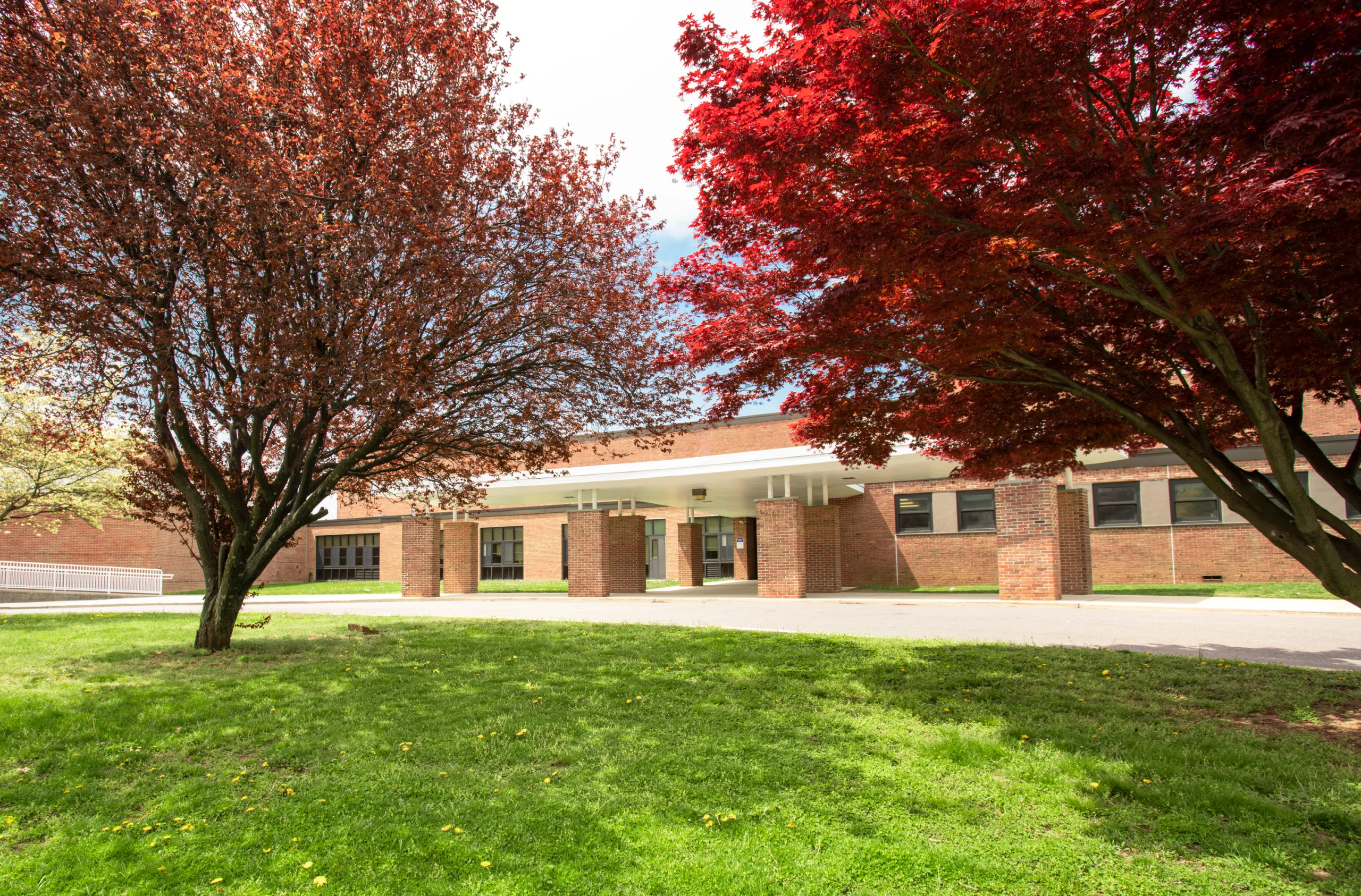
Best Schools in Boston, MA
Best Schools In Boston MA
Families searching for the best schools in Boston, MA will discover a dynamic educational landscape that blends academic excellence with rich cultural opportunities. From nationally ranked public institutions to prestigious private academies and innovative charter schools, Boston offers a wide range of options tailored to diverse learning styles and goals. Located in close proximity to world-class universities and research centers, many of these schools benefit from strong community partnerships, advanced curricula, and extensive extracurricular programs. As you explore the top-rated schools in Boston, you’ll find environments that emphasize rigorous academics, student support, and college readiness. In the sections that follow, we will highlight standout features, admissions considerations, and key differentiators to help you make an informed decision. By understanding what sets these Boston schools apart, you can confidently choose the educational path that best supports your child’s long-term success.


Introduction
Boston, MA is renowned for its world-class education system, offering a diverse range of top-performing public, private, and charter schools. For families relocating to the city or current residents evaluating options, understanding the best schools in Boston is essential. This guide highlights leading institutions, their academic strengths, and key factors to consider, helping parents make informed, confident decisions about their children’s education.
Top Public Schools In Boston
Boston Public Schools (BPS) features several high-performing institutions known for rigorous academics and strong college preparation. Among them, Boston Latin School, founded in 1635, consistently ranks as one of the best public schools in the nation. With a classical curriculum and a strong emphasis on Advanced Placement courses, it offers exceptional opportunities for motivated students.
Similarly, Boston Latin Academy and John D. O’Bryant School of Mathematics and Science are standout exam schools recognized for STEM-focused programs and competitive college placement. These schools serve students from across the city and often require entrance examinations, making them attractive options for academically driven learners.
| Public School | Grades | Notable Strengths |
|---|---|---|
| Boston Latin School | 7–12 | Classical curriculum, AP courses, competitive college admissions |
| Boston Latin Academy | 7–12 | Rigorous academics, diverse student body, strong humanities |
| John D. O’Bryant School | 7–12 | STEM focus, engineering and technology pathways |
Outstanding Private And Independent Schools
In addition to public options, Boston offers a wide selection of highly regarded private and independent schools. Boston University Academy stands out by allowing students to enroll in university-level courses while still in high school, creating a seamless transition to higher education. Furthermore, Roxbury Latin School, one of the oldest independent schools in the country, is known for its low student-teacher ratio and strong emphasis on character development.
Families seeking a well-rounded, college-preparatory experience often consider schools such as Commonwealth School and Boston Trinity Academy, both of which emphasize intellectual curiosity, community engagement, and personalized attention. These institutions typically offer extensive extracurricular programs, including arts, athletics, and service-learning opportunities.
| Private School | Type | Key Features |
|---|---|---|
| Boston University Academy | Day, 9–12 | University course access, research opportunities |
| Roxbury Latin School | Day, 7–12 (boys) | Small classes, classical education, leadership focus |
| Commonwealth School | Day, 9–12 | Urban campus, rigorous academics, strong arts programs |
Charter And Specialized Schools
Boston’s charter and specialized schools provide alternative pathways for students seeking unique learning environments. Brooke Charter Schools and Match Charter Public School are widely recognized for their strong test scores, intensive tutoring, and high expectations. These institutions focus on closing achievement gaps and preparing every student for college.
Additionally, specialized schools like the Boston Arts Academy blend rigorous academics with immersive training in visual and performing arts, ideal for students with creative passions. By combining traditional coursework with specialized instruction, these schools offer tailored educational experiences that can be especially beneficial for students with clear interests or career goals.
Key Factors When Choosing A School
When comparing the best schools in Boston, families should consider several critical factors. Academic reputation, graduation rates, and college placement are important indicators of overall quality. However, it is equally vital to evaluate school culture, class sizes, extracurricular offerings, and support services such as counseling and special education.
Location and transportation options within Boston’s neighborhoods also play a major role, particularly for younger students. Visiting campuses, speaking with current families, and reviewing state performance data can provide valuable insights and help narrow down the list of potential matches.
Conclusion
From historic exam schools to innovative charter and independent institutions, Boston, MA offers an impressive array of educational options. By carefully evaluating each school’s strengths, programs, and learning environment, families can identify the best schools in Boston that align with their children’s needs and aspirations. Ultimately, choosing the right school can lay a strong foundation for academic success, personal growth, and a lifetime of learning.
Finding the Best Schools in Boston, MA: Frequently Asked Questions
How can I identify the top public schools in Boston, MA?
Start by reviewing the Massachusetts Department of Elementary and Secondary Education (DESE) school and district profiles, which publish test scores, accountability ratings, graduation rates, and student growth data. Compare multiple years of data rather than focusing on a single year. Supplement this with independent rating platforms that provide parent reviews and academic rankings, but treat ratings as one data point among many. Visit school websites to understand academic programs, special education services, English learner support, and enrichment opportunities. When possible, schedule school tours or attend open houses to observe classroom climate, teaching quality, and student engagement firsthand. Finally, speak with current parents or guardians in the community to get qualitative feedback that may not appear in official statistics.
What factors should I consider when comparing Boston public and charter schools?
Consider academic outcomes, student growth, and college readiness indicators, but also evaluate how well each school’s mission aligns with your student’s needs. Review the school’s curriculum, availability of Advanced Placement or honors courses, arts and extracurricular offerings, and support services such as counseling and tutoring. Look at class sizes, teacher experience, and staff retention rates where data is available. For charter schools, understand their enrollment process, lottery system, and waitlist policies. For Boston Public Schools, review the school’s assignment zone, transportation options, and any specialized programs such as exam schools, dual-language programs, or thematic academies. Prioritize a combination of academic rigor, student support, and school culture rather than focusing on a single metric.
How does the Boston school assignment process affect my choice of school?
Boston Public Schools use a structured assignment system that considers your home address, available seats, and your ranked list of preferred schools. Your address determines which schools you are eligible to apply to, including nearby and citywide options. Because demand often exceeds capacity at high-performing schools, submitting your choices early within official registration windows improves your chances but does not guarantee placement. Research the schools you can access based on your address and create a prioritized list that includes several strong options rather than a single preferred school. Be sure to understand deadlines, required documents, and any special application steps for exam schools or specialized programs. Staying informed about policy changes and consulting with a Family Welcome Center can help you navigate the process effectively.
Where can I find reliable data and reviews on Boston schools?
The most authoritative academic and accountability data typically comes from the Massachusetts DESE website, which maintains detailed profiles for every public and charter school in Boston. Boston Public Schools also publish individual school report cards and improvement plans on the district website. For parent and student perspectives, consult reputable school review platforms and local community forums, but read reviews critically and look for patterns rather than isolated comments. Local organizations, such as education nonprofits and neighborhood associations, often publish guides or host information sessions on Boston schools. Combining official data with community feedback and in-person school visits will give you the most balanced and reliable picture of school quality.
What should I look for when visiting a prospective school in Boston?
Observe how students and staff interact in hallways, classrooms, and common areas to gauge the overall climate and level of respect. Look for clear learning objectives posted in classrooms, engaged students, and varied teaching strategies that support different learning styles. Ask about class sizes, teacher qualifications, and how the school supports students who are advanced, struggling, or learning English. Review the availability of counseling, special education services, after-school programs, and enrichment opportunities such as arts, STEM clubs, or athletics. Inquire about communication practices with families, including how often you will receive updates on academic progress and behavior. A strong school will demonstrate clear expectations, consistent routines, and a welcoming environment for both students and families.




news via inbox
Sign up to get local tips delivered to your inbox.