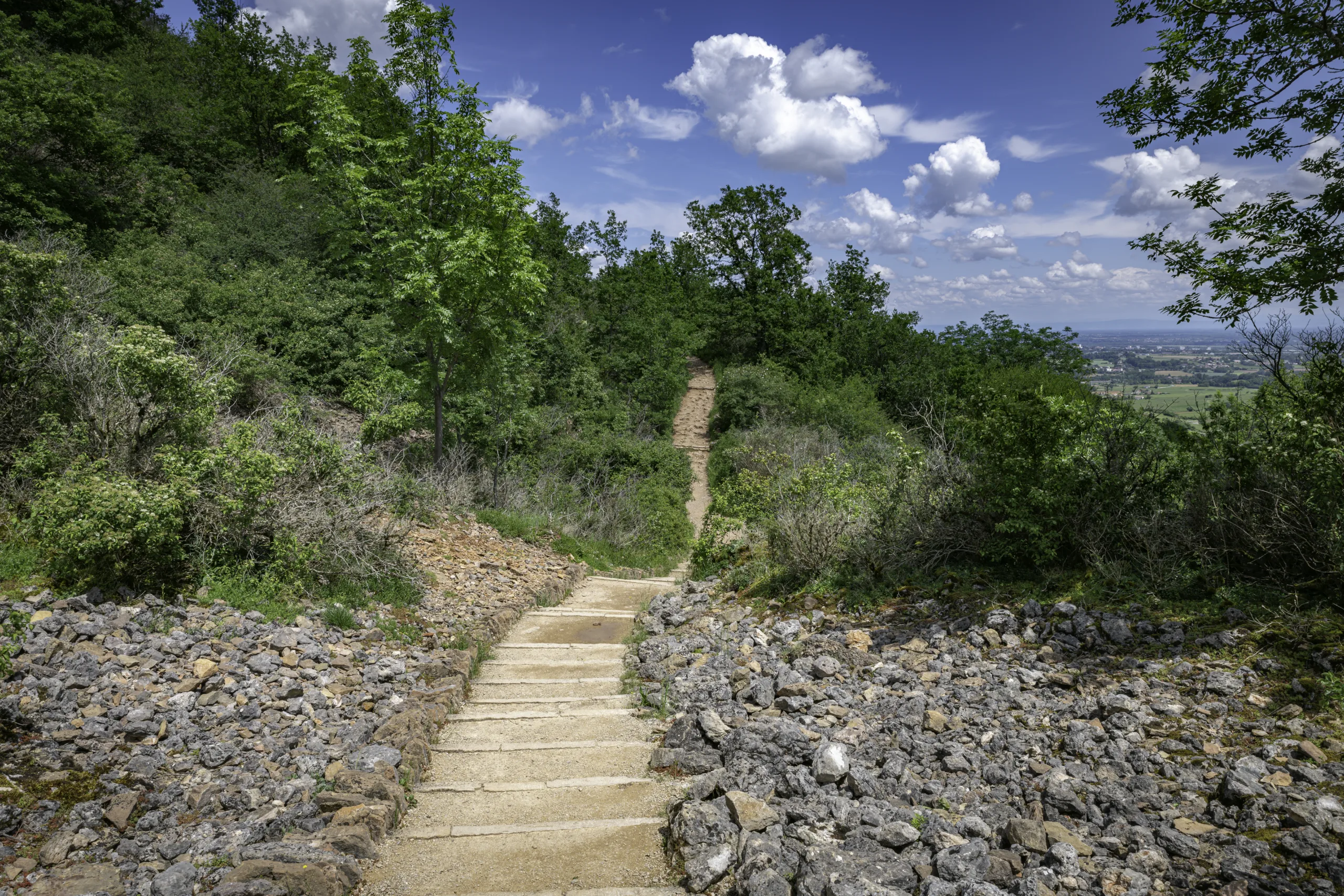
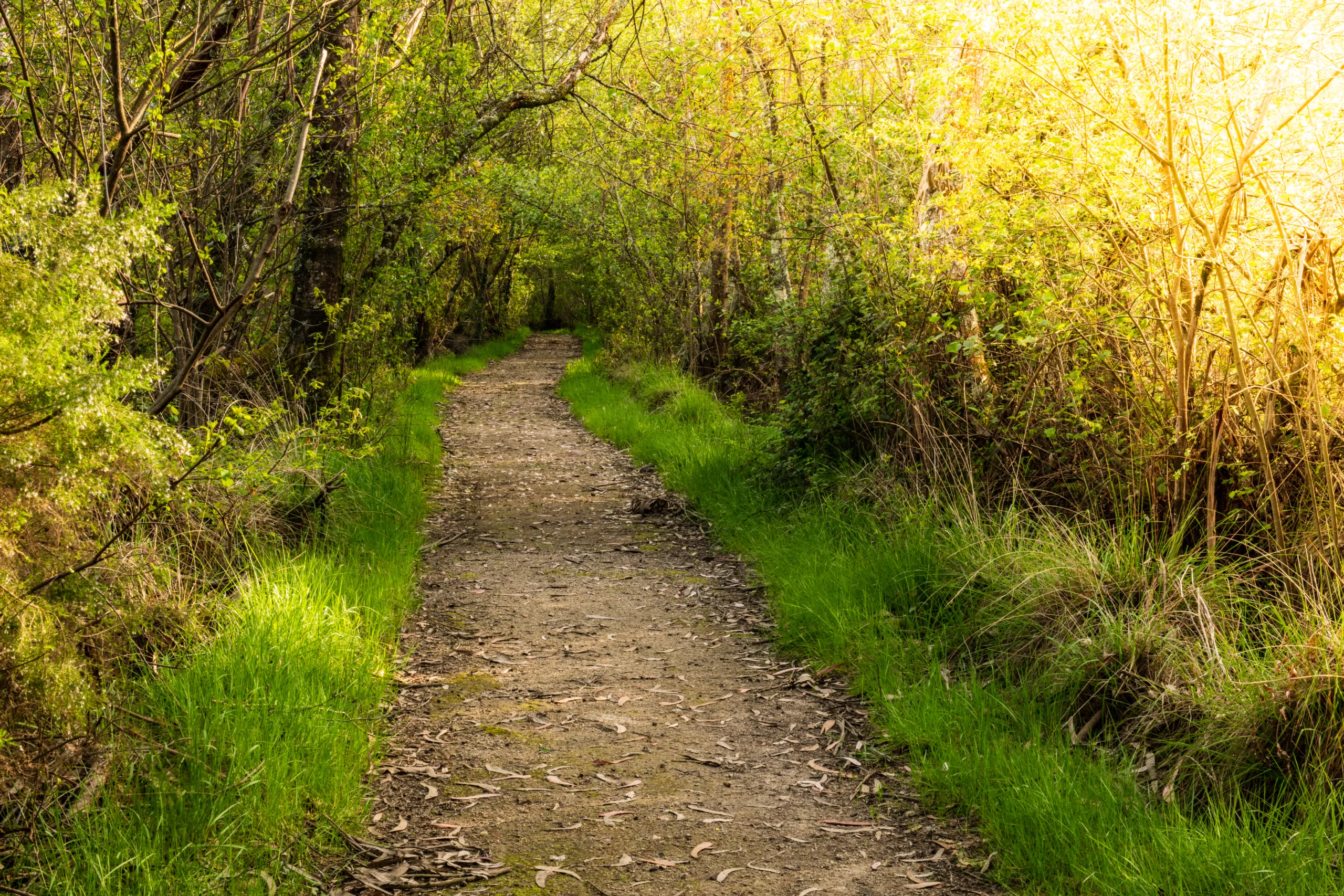
Best Hiking Trails in Seattle, WA
Best Hiking Trails In Seattle
Discover the best hiking trails in Seattle, WA, where lush evergreen forests, dramatic mountain vistas, and sparkling waterways create an unforgettable outdoor experience. Nestled between Puget Sound and the Cascade Range, Seattle offers hikers of all skill levels access to an impressive variety of scenic routes just a short drive from the city center. From family-friendly paths winding through moss-covered trees to more challenging ascents leading to panoramic viewpoints, each trail showcases the region’s unique Pacific Northwest charm. Moreover, Seattle’s well-maintained trail systems make it easy for both locals and visitors to explore safely and confidently. As you plan your next adventure, you’ll find that these top Seattle hiking trails provide not only exercise and fresh air, but also opportunities for wildlife viewing and photography. In the following sections, we will highlight some of the most popular and rewarding hikes near Seattle to help you choose your ideal route.
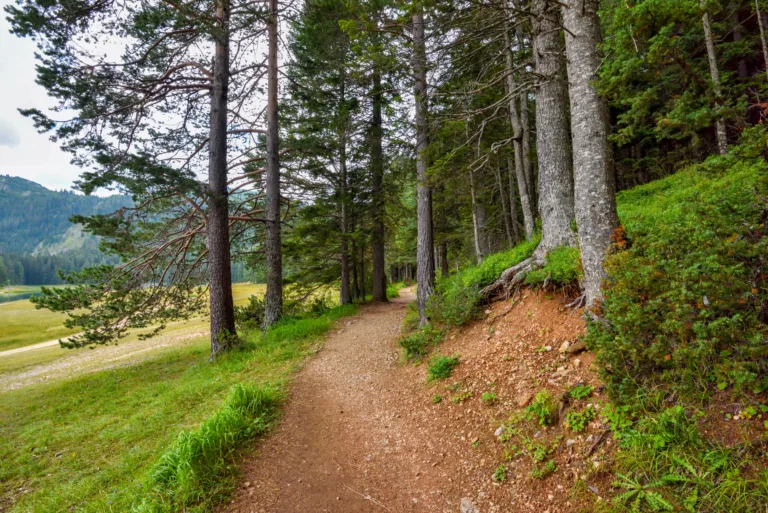

Best Hiking Trails In Seattle WA
Seattle, Washington, is a premier destination for hiking enthusiasts, offering an impressive range of trails that showcase the Pacific Northwest’s natural beauty. From lush urban parks to challenging mountain ascents, the region’s diverse landscapes cater to hikers of all experience levels. This guide highlights the best hiking trails in Seattle, WA, helping you plan your next outdoor adventure while optimizing your time on the trail.
Discovery Park Loop Trail
Located in the Magnolia neighborhood, the Discovery Park Loop Trail is one of Seattle’s most popular urban hikes. This 2.8-mile loop features forested paths, open meadows, and stunning views of Puget Sound and the Olympic Mountains. Because it is relatively flat and well-maintained, it is ideal for beginners, families, and visitors who want a quick escape into nature without leaving the city limits.
To help you compare key details, here is a helpful overview of the Discovery Park Loop Trail:
| Feature | Details |
|---|---|
| Distance | Approx. 2.8 miles (loop) |
| Difficulty | Easy |
| Highlights | Beaches, bluffs, lighthouse, Puget Sound views |
| Best For | Beginners, families, year-round hiking |
Rattlesnake Ledge Trail
Just a short drive east of Seattle near North Bend, Rattlesnake Ledge is a must-hike trail for those seeking panoramic views. This 4-mile round-trip hike climbs steadily through evergreen forest before opening up to a rocky ledge with sweeping vistas of Rattlesnake Lake, Mount Si, and the surrounding Cascade foothills. Although heavily trafficked, it remains a favorite for its dramatic payoff and accessibility.
| Feature | Details |
|---|---|
| Distance | Approx. 4 miles (out and back) |
| Difficulty | Moderate |
| Elevation Gain | ~1,160 feet |
| Best For | Fitness hikes, sunrise and sunset views |
Mount Si Trail
For a more strenuous challenge, the Mount Si Trail is one of Seattle’s classic hikes. Located about 45 minutes from downtown, this 8-mile round-trip trail gains nearly 3,200 feet in elevation. The route features dense forests, rocky switchbacks, and rewarding summit views of the Snoqualmie Valley and Mount Rainier on clear days. Because of its difficulty and popularity, it is often used as a training hike for larger Cascade climbs.
Comparing Top Seattle Area Hiking Trails
To choose the best trail for your needs, it is helpful to compare distance, difficulty, and key highlights. The table below summarizes some of the top hiking trails near Seattle so you can quickly identify the perfect option for your next outing.
| Trail | Distance | Difficulty | Main Highlights |
|---|---|---|---|
| Discovery Park Loop | 2.8 miles | Easy | Urban park, beach access, bluff views |
| Rattlesnake Ledge | 4 miles | Moderate | Lake overlook, forested climb, Cascade views |
| Mount Si | 8 miles | Challenging | Significant elevation gain, summit vistas |
Conclusion
From the coastal paths of Discovery Park to the rugged ascent of Mount Si, Seattle hiking trails offer something for every type of outdoor enthusiast. By considering factors such as distance, difficulty, and scenery, you can select the trail that best matches your goals and fitness level. As you explore the best hiking trails in Seattle, WA, remember to practice Leave No Trace principles, check weather and trail conditions in advance, and pack appropriate gear. With thoughtful preparation, your time on Seattle’s trails will be both safe and unforgettable.
Finding the Best Hiking Trails in Seattle, WA
How can I find the best hiking trails near Seattle for my skill level?
What are some popular hiking areas within a short drive of Seattle?
When is the best time of year to hike near Seattle?
What permits or passes do I need for hiking around Seattle?
How can I stay safe while hiking on trails in the Seattle area?


latest video

news via inbox
Sign up to get local tips delivered to your inbox.