Best Hiking Trails in Seattle, WA
Best Hiking Trails In Seattle WA
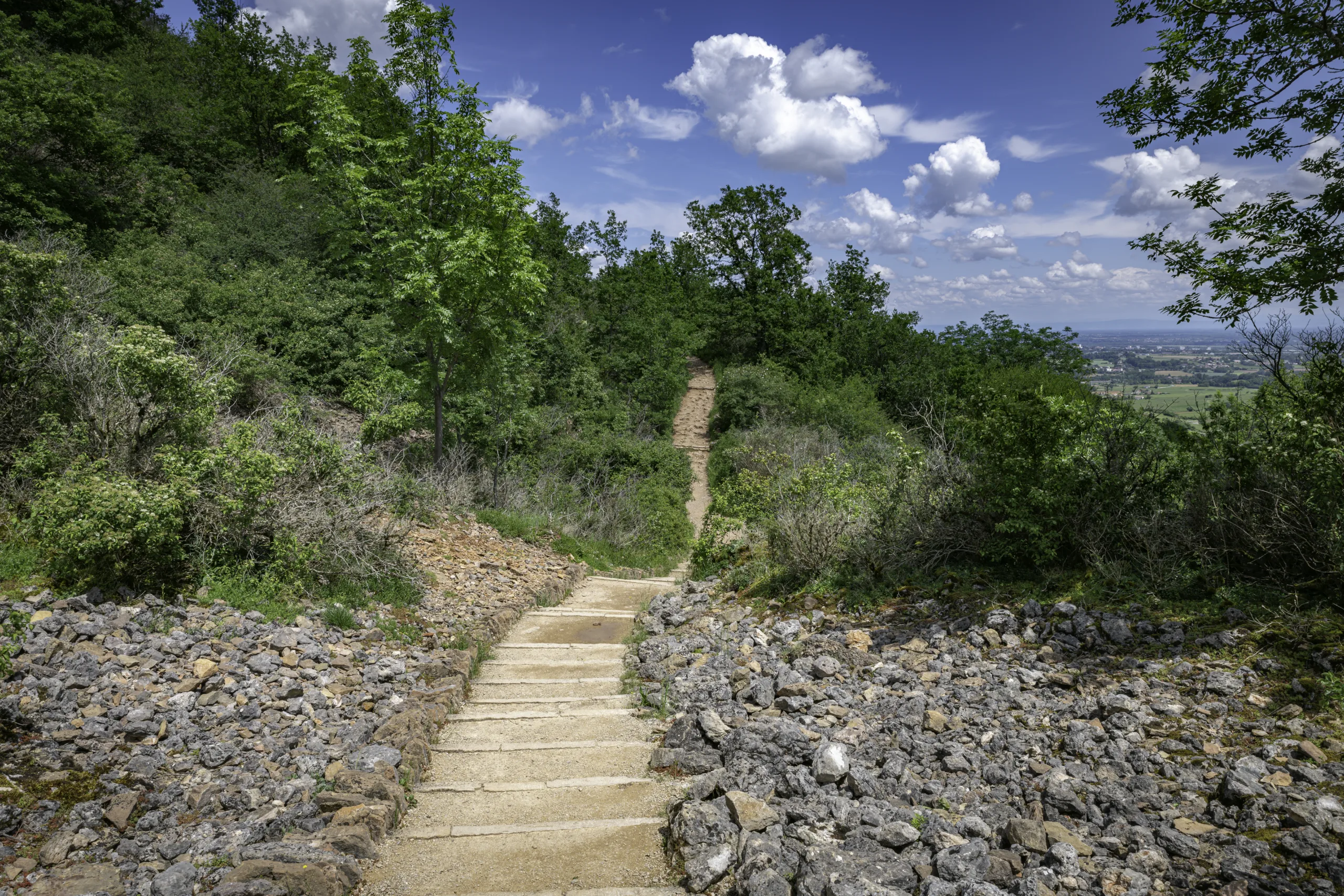
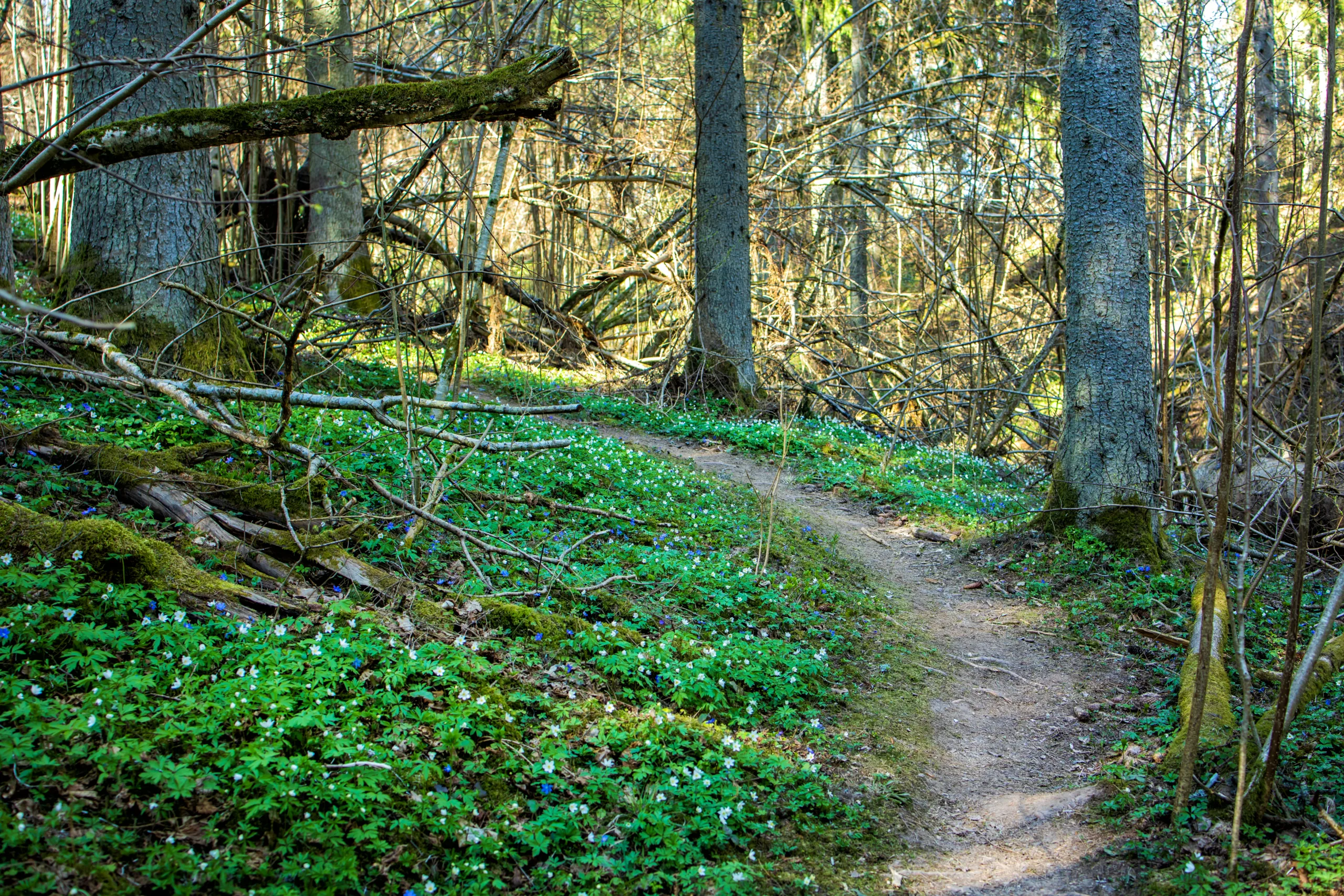
Seattle, Washington, is a paradise for outdoor enthusiasts, offering an impressive network of scenic hiking trails that showcase the region’s lush forests, rugged mountains, and sparkling waterways. From beginner-friendly paths to challenging summit climbs, the best hiking trails in Seattle provide unforgettable experiences for every skill level. Located within easy driving distance of downtown, these trails allow residents and visitors to quickly escape the urban environment and immerse themselves in nature. Moreover, Seattle’s diverse terrain ensures year-round opportunities for exploration, whether you prefer tranquil lakeside walks or panoramic viewpoints of the Cascade and Olympic ranges. As you plan your next adventure, understanding which Seattle hikes match your interests, fitness level, and time frame will help you make the most of your outing. In the following sections, we will explore the top trails that define Seattle’s reputation as a premier hiking destination.
Best Hiking Trails In Seattle WA
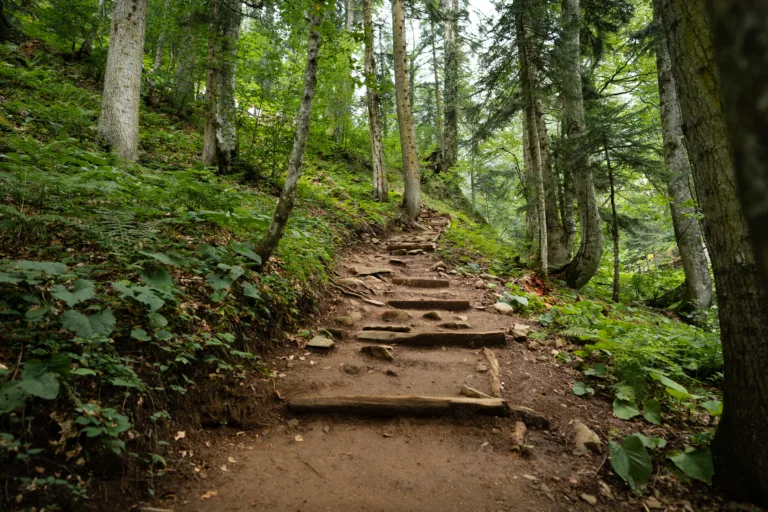
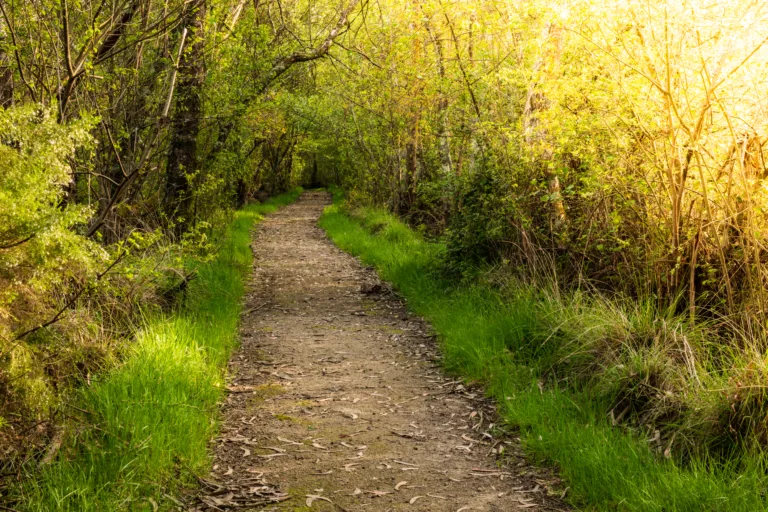
Seattle, WA is a premier destination for outdoor enthusiasts, offering a diverse range of hiking trails that showcase the Pacific Northwest’s natural beauty. From lush evergreen forests and sparkling alpine lakes to panoramic city views, the best hiking trails in Seattle provide options for every skill level. This guide highlights the top trails near Seattle, along with practical details to help you plan your next adventure.
Discovery Park Loop Trail
Located in the Magnolia neighborhood, the Discovery Park Loop Trail is one of the most accessible and rewarding hikes within Seattle city limits. This 2.8-mile loop offers coastal bluffs, forest paths, and views of Puget Sound and the Olympic Mountains. With moderate elevation gain, it is ideal for families, beginners, and anyone seeking a quick nature escape without leaving the city.
To help you compare key details, review the table below of some of the best hiking trails in Seattle and the surrounding area:
| Trail Name | Distance (Round Trip) | Difficulty | Key Features | Approx. Drive From Downtown |
|---|---|---|---|---|
| Discovery Park Loop | 2.8 miles | Easy to Moderate | Coastal bluffs, lighthouse, forest | 15 minutes |
| Rattlesnake Ledge | 4.0 miles | Moderate | Cliffside views, mountain vistas | 45 minutes |
| Twin Falls | 3.6 miles | Easy to Moderate | Waterfalls, river gorge | 40 minutes |
| Mount Si | 8.0 miles | Challenging | Summit views, training hike | 45 minutes |
| Snoqualmie Falls Trail | 1.4 miles | Easy | Iconic waterfall, viewpoints | 35 minutes |
Rattlesnake Ledge And Twin Falls
Just east of Seattle, Rattlesnake Ledge is one of the most popular hikes for visitors and locals alike. The well-maintained trail climbs steadily through forest for two miles before reaching exposed rock ledges with dramatic views of Rattlesnake Lake, Mount Si, and the Snoqualmie Valley. Because of its popularity, it is wise to arrive early in the morning or on weekdays to avoid crowds.
Nearby, the Twin Falls trail provides a scenic alternative for hikers seeking waterfalls and a slightly gentler experience. This route winds along the South Fork of the Snoqualmie River, offering multiple viewpoints of cascading falls and moss-covered rock formations. Its moderate distance and elevation make it well-suited for families and casual hikers.
Mount Si And Snoqualmie Falls
For those looking to challenge themselves on one of the best hikes near Seattle, Mount Si is a classic. Often used as a training ground for Mount Rainier, this steep trail gains roughly 3,150 feet over four miles, rewarding climbers with sweeping views of the Cascades and the Snoqualmie Valley. Because conditions can be variable, hikers should check the weather and pack proper gear.
In contrast, the Snoqualmie Falls Trail offers a short, accessible route to one of Washington’s most famous waterfalls. The trail descends from the upper observation deck to the river level, providing multiple viewpoints of the 268-foot falls. This is an excellent option for visitors with limited time who still want a memorable outdoor experience close to Seattle.
Conclusion
From easy coastal loops to strenuous summit climbs, Seattle’s hiking trails cater to every type of adventurer. By exploring routes such as Discovery Park, Rattlesnake Ledge, Twin Falls, Mount Si, and Snoqualmie Falls, you can experience the region’s forests, mountains, and waterways in a single weekend. Plan ahead, check trail conditions, and always practice Leave No Trace principles to help preserve Seattle’s incredible hiking destinations for future generations.
Finding the Best Hiking Trails in Seattle, WA
How can I find the best hiking trails near Seattle for my skill level?
Start by using reputable trail databases such as AllTrails, Washington Trails Association (WTA), and local parks department sites. Filter trails by distance, elevation gain, rating, and difficulty (easy, moderate, hard). Read recent trip reports to check for current trail conditions, closures, and seasonal challenges like snow or mud. Compare elevation gain with distance to understand how steep a trail will feel, and pay attention to user photos and maps to verify that the terrain matches your comfort level. When in doubt, begin with shorter, lower-elevation hikes closer to the city and gradually work up to more challenging routes as your fitness and confidence improve.
What are some popular beginner-friendly hiking trails around Seattle?
Several trails near Seattle are well-suited for beginners and casual hikers. Popular options include Discovery Park Loop in Seattle for coastal views and mild elevation, Rattlesnake Ledge near North Bend for a shorter but moderately steep trail with a rewarding viewpoint, and Twin Falls near I-90 for forest scenery and waterfalls. For a more relaxed experience, consider Seward Park’s perimeter loop along Lake Washington or Cougar Mountain’s easier routes like the Wildside or Red Town trails. Always confirm current conditions and parking information before you go, especially on weekends when these destinations can be busy.
Which resources are most reliable for current Seattle hiking trail conditions?
Washington Trails Association (WTA) is one of the most reliable resources, offering up-to-date trip reports from local hikers, details on trail work, and notices about closures. AllTrails provides user reviews, GPS tracks, and recent photos that help you assess current conditions. Check official land manager sites such as Washington State Parks, the U.S. Forest Service (Mt. Baker-Snoqualmie National Forest), and King County or Seattle Parks for authoritative information on closures, permits, and parking requirements. During winter and spring, review avalanche forecasts from the Northwest Avalanche Center and road conditions from the Washington State Department of Transportation when heading into the Cascades via I-90 or Highway 2.
Do I need permits or passes for popular hiking trails near Seattle?
Many popular trailheads near Seattle require a parking pass or permit rather than a separate hiking permit. For hikes in Washington State Parks, including some areas around the Puget Sound, you typically need a Discover Pass. For U.S. Forest Service trailheads such as those along the I-90 corridor and in the Mt. Baker-Snoqualmie National Forest, a Northwest Forest Pass or equivalent federal recreation pass is often required. Some high-demand areas or overnight trips may require additional permits or reservations. Always confirm which pass applies to your chosen trailhead and purchase it in advance or at designated vendors to avoid fines and ensure compliance with local regulations.
What safety considerations should I keep in mind when hiking near Seattle?
Weather in the Seattle area and the nearby Cascades can change quickly, so check the forecast and pack layers, a waterproof shell, and extra warm clothing, even in summer. Carry the ten essentials, including a map, navigation tools, headlamp, first-aid kit, extra food and water, and a fully charged phone with offline maps. Start hikes early to avoid being caught out after dark and let someone know your route and expected return time. Trail surfaces can be wet, muddy, or icy, so wear sturdy footwear with good traction and consider microspikes in shoulder seasons. Practice Leave No Trace principles, be aware of wildlife, stay on established trails to avoid getting lost or causing erosion, and respect any posted closures or warnings.


latest video

news via inbox
Sign up to get local tips delivered to your inbox.