
Best Hiking Trails in Nashville, TN
Best Hiking Trails In Nashville TN
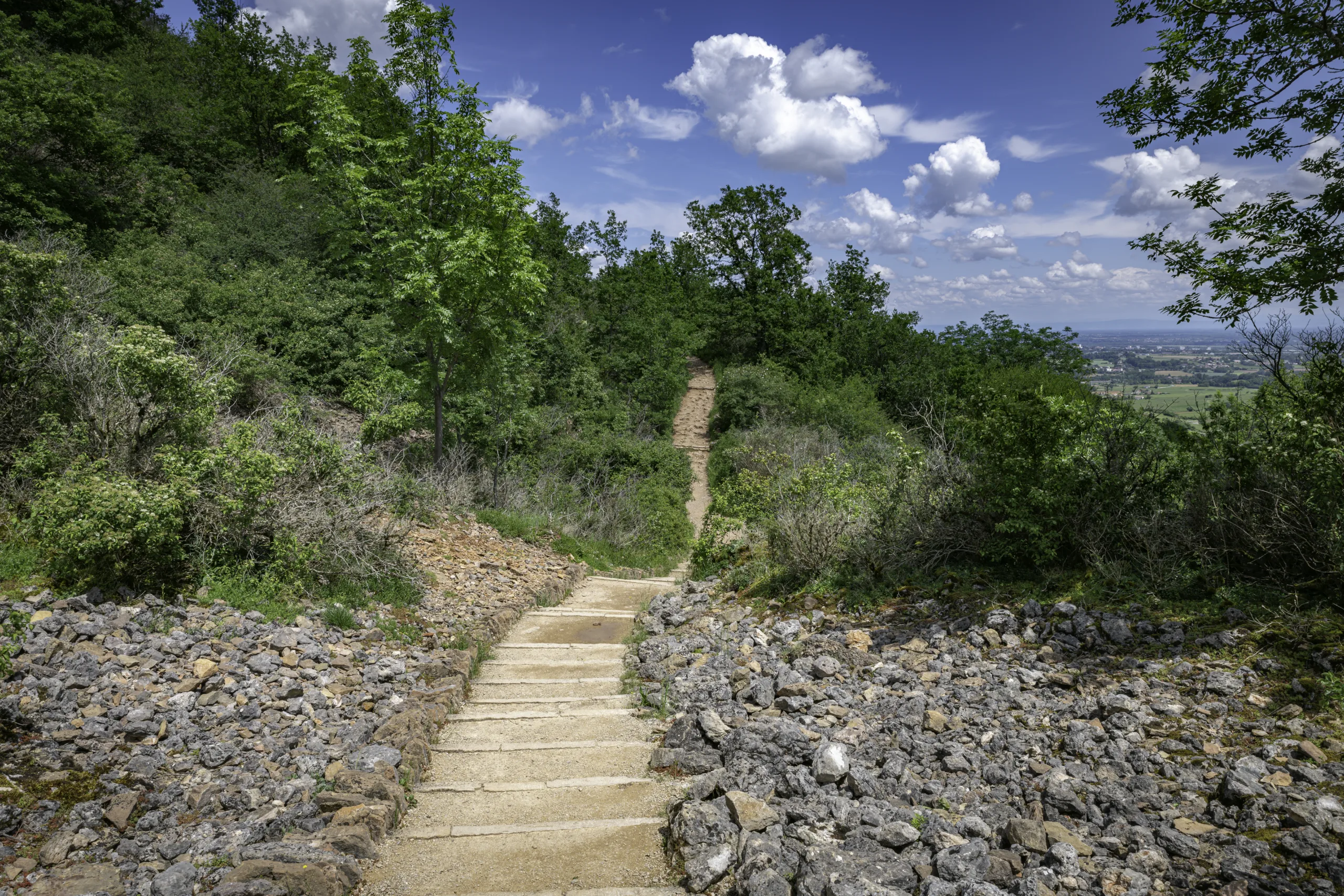
Nashville, Tennessee, is renowned not only for its vibrant music scene but also for its abundance of scenic hiking trails that appeal to outdoor enthusiasts of every level. From peaceful woodland paths to challenging ridge climbs, the city and its surrounding areas offer diverse landscapes perfect for day hikes, family outings, and fitness-focused adventures. As you explore Nashville’s top trails, you’ll discover serene creeks, panoramic overlooks, and well-maintained routes within easy driving distance of downtown. Moreover, many of these trails are located in popular parks and nature preserves, making it simple to pair your hike with picnics, wildlife viewing, or photography. Whether you are a local resident or a visitor planning an active getaway, understanding where to find the best hiking experiences is essential. In the following sections, we will highlight Nashville’s most popular trails, key features, and helpful tips to enhance your time outdoors.
Introduction
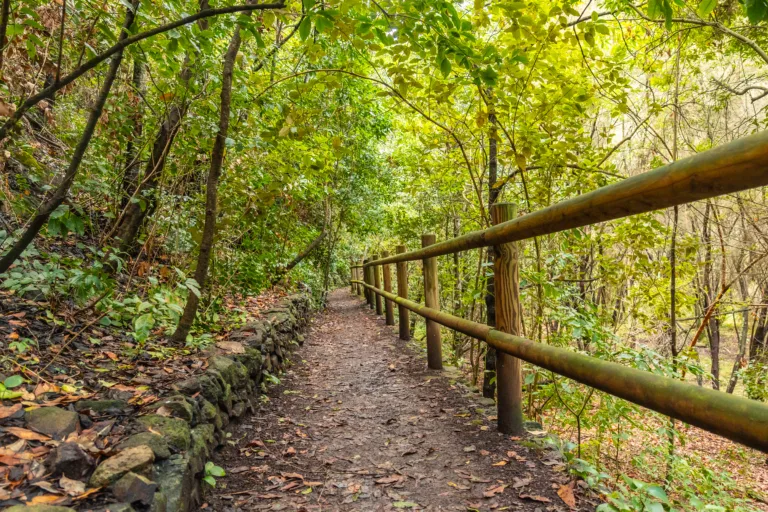
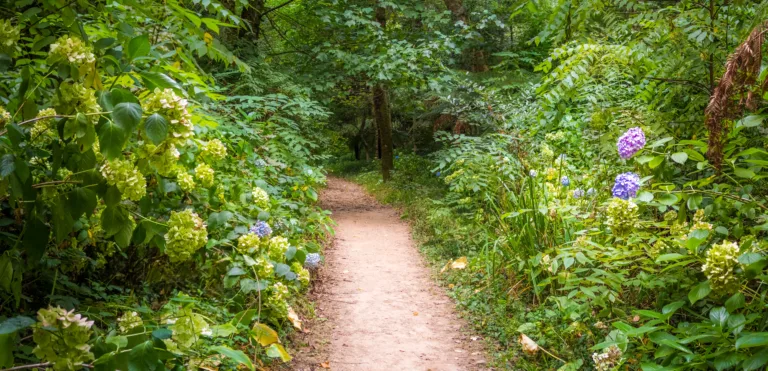
Nashville, Tennessee is known for its vibrant music scene, but it also offers an impressive selection of scenic hiking trails. From lush forests to peaceful lakeshores, the best hiking trails in Nashville, TN provide outdoor enthusiasts with diverse options for exploration and exercise. Whether you are a local resident or a visitor, discovering these trails is an excellent way to experience Middle Tennessee’s natural beauty while staying active and healthy.
Radnor Lake State Park
Radnor Lake State Park is one of the most popular hiking destinations in Nashville. This protected natural area features serene lakeside views, rolling hills, and abundant wildlife, making it ideal for both birdwatchers and photographers. The park offers several well-maintained trails, including the Lake Trail and the Ganier Ridge Trail, which range from easy to moderate difficulty. Because it is a wildlife sanctuary, Radnor Lake provides a peaceful escape from the city’s bustle and is perfect for hikers seeking quiet, scenic routes.
| Trail | Approx. Distance | Difficulty | Key Features |
|---|---|---|---|
| Lake Trail | 2.5 miles | Easy | Lakeside views, wildlife observation |
| Ganier Ridge Trail | 1.7 miles | Moderate | Rolling hills, forested ridges |
Percy Warner And Edwin Warner Parks
The connected Percy Warner and Edwin Warner Parks, often referred to as the Warner Parks, offer some of the best hiking trails in Nashville, TN for those seeking variety and challenge. Located just a short drive from downtown, these parks feature an extensive network of trails winding through hardwood forests, open meadows, and scenic overlooks. The popular Mossy Ridge Trail and Warner Woods Trail provide excellent options for intermediate hikers, while shorter loop trails are well-suited for families and beginners.
| Trail | Approx. Distance | Difficulty | Highlights |
|---|---|---|---|
| Mossy Ridge Trail | 4.5 miles | Moderate | Rolling terrain, shaded forest paths |
| Warner Woods Trail | 2.5 miles | Easy to Moderate | Historic stonework, wooded loops |
Beaman Park Nature Center
Beaman Park, located in Northwest Davidson County, is a lesser-known gem that offers visitors a more rugged and secluded hiking experience. The park’s trails, such as the Henry Hollow Loop and the Ridgetop Trail, traverse steep hills, rocky outcrops, and dense woodlands. With fewer crowds than some of the more central parks, Beaman Park is ideal for hikers who prefer solitude and more challenging terrain. Additionally, the nature center provides educational exhibits about local ecosystems, enhancing the overall hiking experience.
Long Hunter State Park And Nearby Options
For those willing to explore just beyond the city limits, Long Hunter State Park on Percy Priest Lake offers several outstanding trails. The Day Loop Trail, for instance, is a favorite for its lakeside views and moderate difficulty. This park, along with nearby gems like Timberland Park on the Natchez Trace Parkway, expands the list of the best hiking trails in Nashville, TN to include waterfront paths, interpretive trails, and scenic overlooks that are perfect for day trips.
Conclusion
From the tranquil shores of Radnor Lake to the expansive pathways of the Warner Parks, Nashville delivers an impressive variety of hiking opportunities for all skill levels. By exploring the best hiking trails in Nashville, TN, you can enjoy stunning natural scenery, improve your fitness, and experience a different side of Music City. As you plan your next outdoor adventure, consider visiting several of these parks to fully appreciate the diverse landscapes that make Nashville such a rewarding hiking destination.
Finding the Best Hiking Trails in Nashville, TN
What are some of the best hiking trails near downtown Nashville?
Some of the most popular and accessible hiking options near downtown Nashville include the Warner Parks system and Radnor Lake State Park. Percy Warner and Edwin Warner Parks offer a variety of loop trails, such as the Mossy Ridge Trail and the Warner Woods Trail, which feature rolling hills, forested terrain, and well-marked paths. Radnor Lake State Park is a short drive from downtown and is known for its peaceful lakeside trails, wildlife viewing opportunities, and a strictly protected natural environment. These areas provide a range of difficulty levels and are well maintained, making them ideal for both casual walkers and more serious hikers who want to stay close to the city center.
How can I find hiking trails in Nashville that match my skill level?
To find hikes that fit your skill level, start by reviewing trail descriptions and difficulty ratings on local park websites and reputable hiking platforms. Metro Nashville Parks, Tennessee State Parks, and organizations like Friends of Warner Parks publish trail maps that specify distance, elevation changes, and surface conditions. Beginner hikers may prefer shorter, relatively flat routes such as the paved greenways along the Cumberland River or easier loops at Warner Parks. More experienced hikers often choose longer, more rugged options like the Mossy Ridge Trail at Percy Warner or steeper segments around Radnor Lake. Reading recent user reviews and checking elevation profiles will help you match each trail to your fitness and experience level before you head out.
When is the best time of year to hike in the Nashville area?
The most comfortable seasons for hiking in Nashville are typically spring and fall. From March through May, temperatures are moderate, wildflowers are in bloom, and trails are generally less crowded than in peak summer, though rain can make some paths muddy. In fall, especially from late September through November, the foliage in Warner Parks, Radnor Lake, and surrounding areas offers vibrant colors and cooler air, which is ideal for longer outings. Summer hikes can still be enjoyable if you start early in the morning to avoid heat and humidity, choose shaded routes, and bring plenty of water. Winter hiking is possible on most Nashville trails, but you should be prepared for occasional icy spots, shorter daylight hours, and reduced services or facilities at some parks.
Where can I find reliable maps and information for Nashville hiking trails?
Reliable information for Nashville-area hiking can be found through a combination of official and community sources. Metro Nashville Parks and Recreation provides maps and trail details for Warner Parks and city greenways on its website and at park trailheads. Tennessee State Parks offers downloadable maps, trail descriptions, and updates for Radnor Lake and nearby state parks. In addition, well-known hiking and outdoor apps host GPS-enabled maps, elevation profiles, and user reviews that help you evaluate trail conditions and difficulty in real time. Visitor centers at major parks often provide printed maps, updated notices about closures or wildlife activity, and staff who can recommend routes based on your time and experience level.
What safety tips should I follow when hiking Nashville’s trails?
When hiking in and around Nashville, it is important to plan ahead and respect local conditions. Check the weather forecast and park alerts before leaving, and avoid trails during severe storms or after heavy rain when paths may be slippery. Carry plenty of water, especially in warmer months, and pack basic essentials such as a fully charged phone, a small first-aid kit, and a map or offline trail data. Stay on marked paths to protect both yourself and the environment, and be aware of local wildlife, including deer, snakes, and ticks; wearing long sleeves and using insect repellent can help reduce bites. If you are hiking alone, let someone know your chosen route and expected return time. Finally, follow park regulations regarding hours, pets, and restricted areas so that trails remain safe and enjoyable for all visitors.


latest video

news via inbox
Sign up to get local tips delivered to your inbox.