
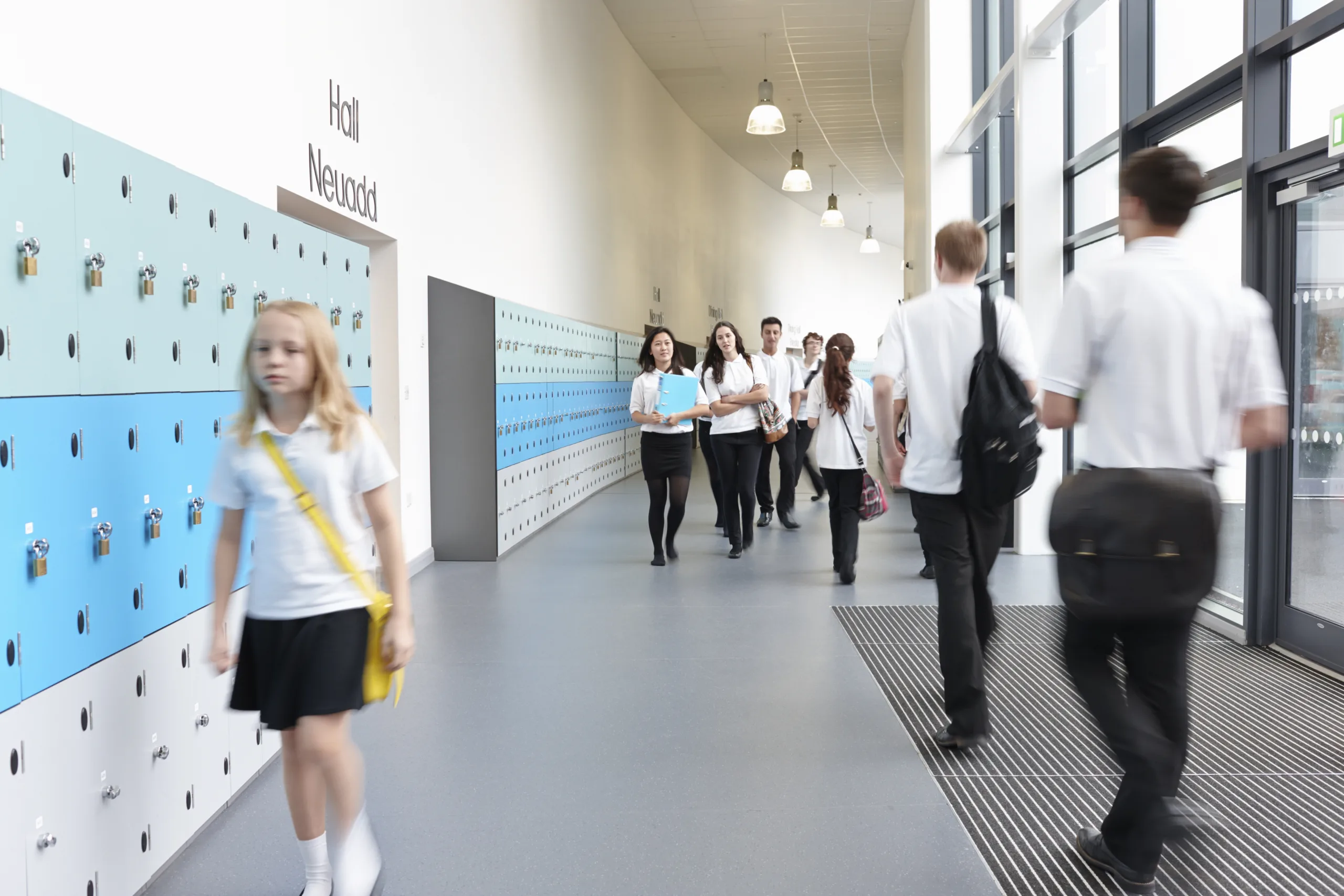
Best Schools in San Francisco, CA
Best Schools In San Francisco CA
Finding the best schools in San Francisco, CA is a top priority for families seeking exceptional academic opportunities, innovative programs, and supportive learning environments. This vibrant city is home to a diverse range of high-performing public, private, and charter schools, each offering unique strengths that cater to different educational goals and student needs. From rigorous college-preparatory curricula to specialized STEM and arts programs, San Francisco’s leading schools consistently strive for excellence.
As you explore the top-rated schools in San Francisco, it is essential to consider factors such as academic performance, extracurricular offerings, campus culture, and community involvement. In the following sections, we will highlight standout institutions, discuss what sets them apart, and provide insights to help you make an informed decision. By understanding the distinct qualities of each school, you can better identify the best educational fit for your child in this dynamic city.
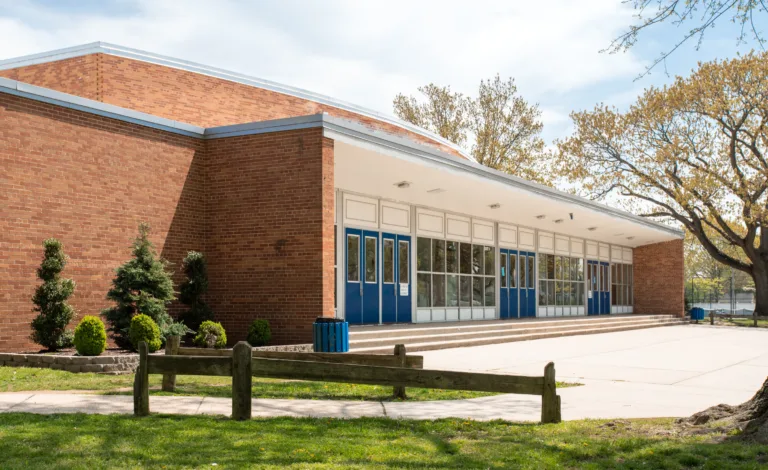
Introduction
The city of San Francisco, CA, is home to some of the most highly rated schools in the United States, offering strong academic programs, diverse extracurricular activities, and supportive learning environments. Families moving to or within the Bay Area often prioritize neighborhoods based on school quality, making it essential to understand which institutions consistently stand out. This guide highlights the best schools in San Francisco, focusing on educational excellence, test scores, college readiness, and overall reputation to help parents make informed decisions.
Top Public Elementary Schools In San Francisco
Many families begin their search by exploring San Francisco’s top public elementary schools, which frequently combine rigorous academics with innovative teaching methods. Schools such as Clarendon Alternative Elementary, Alice Fong Yu Alternative School, and Lowell’s feeder elementary programs are well known for strong test scores and enriched curricula. These campuses often offer dual-language immersion, arts integration, and STEM-based learning opportunities that set the foundation for long-term academic success.
Additionally, high-performing elementary schools in San Francisco tend to emphasize community engagement and social-emotional learning. Through strong parent-teacher associations, after-school programs, and project-based learning, students are encouraged to develop critical thinking, collaboration, and leadership skills from an early age.
Leading Middle Schools And Transitional Programs
As students progress, choosing the right middle school becomes a crucial step in maintaining academic momentum. Schools such as A.P. Giannini Middle School and Presidio Middle School are recognized for offering challenging coursework, including advanced math and science tracks, as well as extensive arts and technology electives. These schools serve as important bridges between elementary and high school, helping students explore interests while preparing for more demanding studies.
Transitional programs often include honors classes, gifted and talented offerings, and robust counseling services that guide students through academic planning. In addition, many of the best middle schools in San Francisco offer after-school clubs, athletics, and music programs that promote a well-rounded education and support the development of confidence and independence.
Best High Schools In San Francisco
San Francisco’s high schools are widely recognized for their academic excellence and college-preparatory focus. Schools like Lowell High School and Ruth Asawa San Francisco School of the Arts (SOTA) frequently receive top rankings for their Advanced Placement (AP) offerings, specialized arts programs, and high college acceptance rates. These schools attract motivated students from across the city, creating highly engaged and intellectually stimulating environments.
To compare a few standout high schools, consider the following overview:
| School | Specialty | Notable Strengths |
|---|---|---|
| Lowell High School | College Prep | High AP participation, competitive academics, strong STEM programs |
| Ruth Asawa SOTA | Performing & Visual Arts | Intensive arts focus, audition-based admission, creative portfolio development |
| Galileo Academy Of Science & Technology | STEM & Career Pathways | Technology tracks, engineering pathways, diverse student body |
Notable Private And Independent Schools
In addition to public options, San Francisco offers a variety of prestigious private and independent schools that attract families seeking smaller class sizes and specialized philosophies. Institutions such as University High School, Convent & Stuart Hall, and San Francisco Day School are known for their rigorous academic standards and extensive college counseling resources. Many of these schools feature state-of-the-art facilities, including science labs, performance spaces, and athletic centers.
Independent schools often emphasize values-based education, global citizenship, and experiential learning. Through international travel programs, internships, and community service requirements, students gain real-world experience while building competitive college applications. These environments can be ideal for students who thrive with more personalized attention and tailored educational pathways.
Comparing School Options In San Francisco
When evaluating the best schools in San Francisco, it is helpful to compare key factors such as academic focus, student-to-teacher ratios, and extracurricular offerings. The table below highlights several important considerations:
| Factor | Public Schools | Private Schools |
|---|---|---|
| Tuition Cost | Low (tax-funded) | High (annual tuition) |
| Class Size | Moderate to Large | Smaller, individualized |
| Specialized Programs | Magnet, AP, language immersion | Custom curricula, IB, advanced arts |
| Admissions | District-based, lotteries | Selective, application-based |
Conclusion
Ultimately, the best schools in San Francisco, CA, share a commitment to academic excellence, student support, and diverse enrichment opportunities. From elite public high schools like Lowell to innovative arts programs at Ruth Asawa SOTA and renowned private institutions, families have access to a wide range of high-quality educational choices. By carefully reviewing academic performance data, visiting campuses, and considering each child’s unique learning style, parents can identify the schools that will best support long-term success and personal growth in one of the nation’s most dynamic cities.
Finding the Best Schools in San Francisco, CA
How can I identify the top-rated public schools in San Francisco, CA?
Start by reviewing objective data sources such as the California School Dashboard, GreatSchools.org, and the San Francisco Unified School District (SFUSD) accountability reports, which provide information on test scores, college readiness, English learner progress, and graduation rates. Look beyond overall scores to subgroup performance, student growth measures, and program offerings. Visit individual school websites to review course catalogs, specialized programs, and staff qualifications, and schedule school tours or open house visits to observe classroom environments, facilities, and school culture. Consider reaching out to current parents or community groups for firsthand perspectives, and compare multiple schools in the same area to evaluate consistency in performance and fit for your child’s needs.
What factors should I consider when choosing a school in San Francisco for my child?
Consider academic performance, but also evaluate school culture, class sizes, teacher experience, and support services such as counseling, special education, and English language support. Review available programs, including language immersion, STEM, arts, and advanced placement or honors courses, and confirm how well they align with your child’s interests and learning style. Location and transportation are especially important in San Francisco, so check commute times, school start and end times, and available bus routes or public transit options. Examine safety records, campus facilities, and extracurricular opportunities such as sports, clubs, and enrichment programs. Finally, consider the school’s communication practices and family engagement, including how often the school updates parents and how easy it is to reach teachers and administrators.
How does the SFUSD school assignment and lottery process affect finding the best school?
The San Francisco Unified School District uses a choice-based assignment system that includes a lottery component, meaning families list preferred schools rather than automatically attending a neighborhood school. This process can influence your options because popular schools may have more applicants than available seats, making it important to research a range of schools rather than focusing on a single top choice. Review SFUSD’s current assignment policy, deadlines, and tiebreaker rules, which may include factors such as siblings already enrolled, attendance areas, and citywide priorities. Prepare a ranked list of schools that you would be comfortable with and include several strong alternatives, not just one or two highly competitive campuses. Submitting a complete and timely application and attending any recommended orientation sessions can help you understand your chances and make more informed selections within the lottery system.
What resources are available to compare public, private, and charter schools in San Francisco?
To compare different school types, use a combination of official and independent resources. For public and charter schools, consult SFUSD’s website, the California Department of Education’s school profiles, and data tools such as the California School Dashboard. Many charter schools also publish annual reports that detail performance, curriculum, and demographics. To research private schools, visit the California Association of Independent Schools and the National Center for Education Statistics private school search, and review each school’s website for accreditation, faculty profiles, and college matriculation data. Independent review sites and parent forums, including GreatSchools, Niche, and local parent networks, can provide comparative insights into academic rigor, culture, diversity, and satisfaction across school types, but it is wise to balance anecdotal reviews with verified data and in-person visits.
How can campus visits and open houses help me choose the best San Francisco school?
Campus visits and open houses allow you to see how a school operates beyond what is shown in statistics and brochures. During a visit, observe classroom interactions, student engagement, and how teachers manage learning time and behavior. Pay attention to the overall environment, including cleanliness, safety measures, and the condition of facilities such as libraries, labs, playgrounds, and arts or athletic spaces. Use the opportunity to ask administrators detailed questions about curriculum, assessment methods, support for different learning needs, and how the school fosters inclusivity and diversity. Speaking with current students and families can provide context on homework expectations, stress levels, communication practices, and extracurricular options. By comparing impressions from multiple visits, you can better determine which school environment aligns with your child’s personality, goals, and well-being.


latest video

news via inbox
Sign up to get local tips delivered to your inbox.