
Best Hiking Trails in Portland, OR
Best Hiking Trails In Portland OR
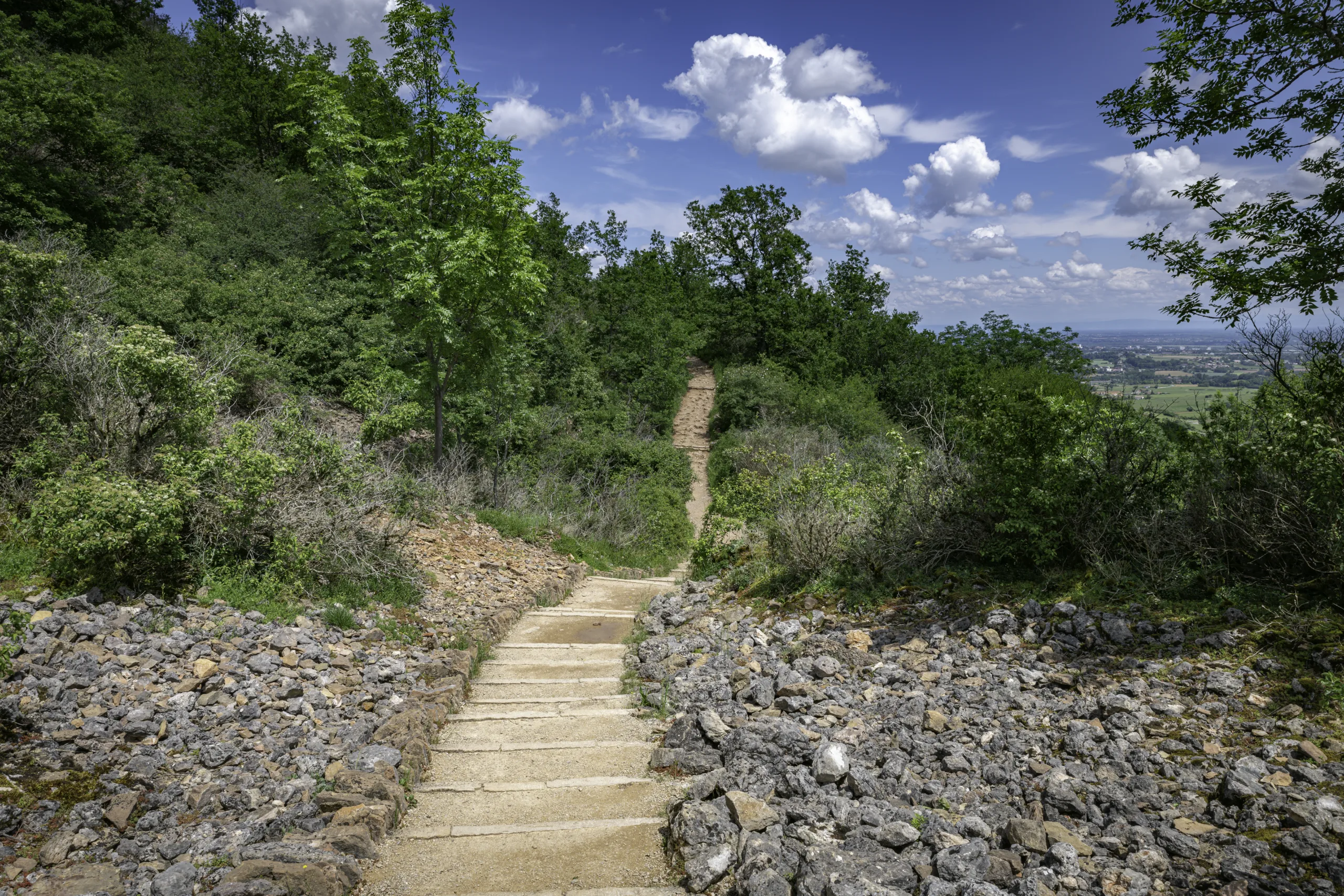
Discover the best hiking trails in Portland, OR, where lush forests, dramatic vistas, and cascading waterfalls are all within a short drive of the city center. Nestled between the Columbia River Gorge and the Willamette Valley, Portland offers an extensive network of trails that appeal to both beginner hikers and seasoned outdoor enthusiasts. From the iconic paths of Forest Park to the rugged routes on Mount Hood’s lower slopes, each trail reveals a different side of the Pacific Northwest’s natural beauty. As you explore this guide, you’ll find trails that showcase panoramic city views, old-growth forests, and diverse wildlife, making every outing unforgettable. Whether you’re looking for a quick urban escape or an all-day adventure, Portland’s hiking scene provides endless opportunities to reconnect with nature and experience the region’s most scenic landscapes.
Introduction
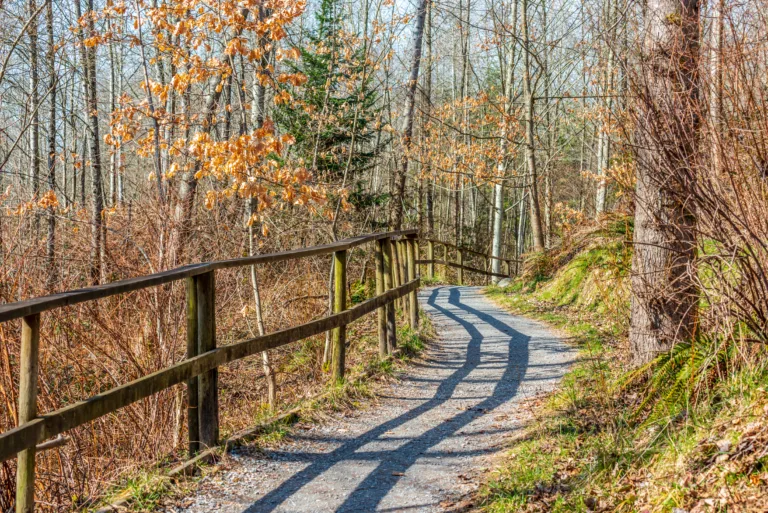
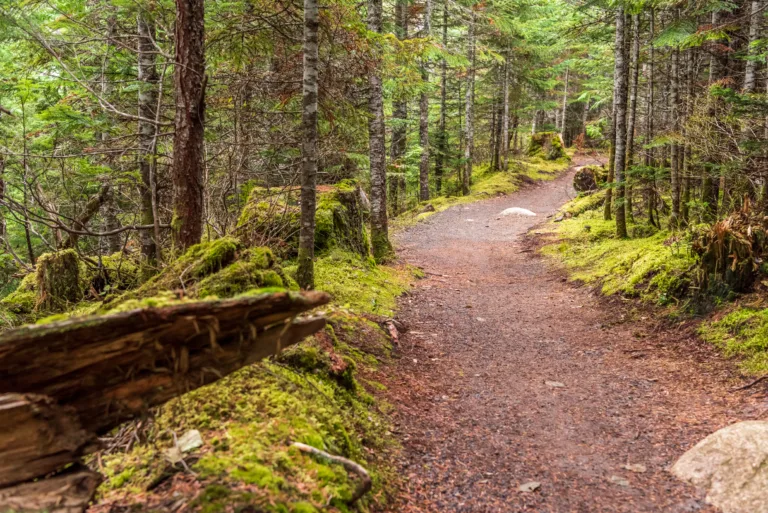
Portland, Oregon is a premier destination for outdoor enthusiasts, offering an extensive network of scenic hiking trails within and around the city. From lush forested paths to panoramic viewpoints of the Columbia River Gorge and Mount Hood, Portland’s trails appeal to both beginners and experienced hikers. This guide highlights the best hiking trails in Portland, OR, helping you plan your next adventure while optimizing your search for top-rated local hikes.
Top Hiking Areas Near Downtown Portland
One of the greatest advantages of hiking in Portland is the easy access to nature from the urban core. Within minutes, you can transition from busy city streets to quiet, moss-covered forests. The following table provides a quick overview of some of the best hiking areas close to downtown Portland:
| Hiking Area | Distance From Downtown | Difficulty | Highlights |
|---|---|---|---|
| Forest Park | 5–15 minutes | Easy to Moderate | Urban forest, wildlife, long-distance trails |
| Washington Park & Hoyt Arboretum | 5–10 minutes | Easy | Botanical collections, city views, family-friendly |
| Mount Tabor Park | 10–15 minutes | Easy to Moderate | Extinct volcano, skyline vistas, paved and dirt trails |
Forest Park Best Urban Wilderness Trails
Forest Park is one of the largest urban forests in the United States and an essential stop for hikers visiting Portland. The Wildwood Trail, stretching more than 30 miles, offers rolling terrain, towering Douglas firs, and numerous access points. For a moderate loop, combine the Wildwood Trail with the Lower Macleay Trail, which passes the historic Stone House and follows a scenic creek. With year-round accessibility and varied distances, Forest Park is ideal for both quick after-work hikes and longer weekend excursions.
Washington Park And Hoyt Arboretum Scenic Loops
Just west of downtown, Washington Park and Hoyt Arboretum provide a network of well-marked paths perfect for casual hikers and families. Trails wind through curated collections of trees from around the world, offering educational signage along the way. The Redwood Deck loop showcases towering redwoods and tranquil forest ambiance, while nearby paths connect to the Oregon Zoo and International Rose Test Garden. Because of the gentle grades and multiple amenities, this area is excellent for visitors who want an accessible, scenic Portland hike.
Columbia River Gorge Iconic Day Hikes
A short drive east of Portland leads to the renowned Columbia River Gorge, home to some of the most iconic hiking trails in Oregon. Popular routes include Multnomah Falls, featuring a paved path to an impressive waterfall overlook, and Dog Mountain, known for steep climbs and sweeping wildflower-filled vistas in late spring. While these hikes are outside city limits, they are frequently included in lists of the best hiking near Portland due to their dramatic scenery, waterfall density, and plentiful viewpoints over the Columbia River.
Planning Your Portland Hiking Adventure
When exploring Portland hiking trails, always check trail conditions, parking regulations, and seasonal closures before heading out. Many popular trailheads fill quickly, especially on weekends, so arriving early or visiting on weekdays can enhance your experience. Additionally, carrying essentials such as water, layered clothing, and a map or GPS will help ensure a safe and enjoyable outing.
Conclusion
From the expansive paths of Forest Park to the dramatic cliffs of the Columbia River Gorge, Portland, OR offers a diverse range of hiking opportunities for every skill level. By focusing on these top hiking trails in Portland, visitors and locals alike can discover lush forests, volcanic hills, and unforgettable viewpoints just minutes from the city. With thoughtful planning and an adventurous spirit, your next Portland hike can be both memorable and rewarding.
Finding the Best Hiking Trails in Portland, Oregon
How can I find the best hiking trails near Portland, OR for my skill level?
Start by using reputable trail resources that allow you to filter by distance, elevation gain, and difficulty rating, such as local park websites and established hiking platforms. Match trail stats to your current fitness—for beginners, look for hikes under 5 miles with moderate elevation; for intermediate and advanced hikers, gradually increase distance and elevation gain. Read recent user reviews for updates on trail conditions, closures, and crowd levels. Cross-reference multiple sources, including the Portland Parks & Recreation and Forest Park Conservancy websites, to confirm accuracy. Finally, consider your experience with steep terrain, exposure, and navigation when deciding whether a trail is appropriate for you.
What are some top areas around Portland known for high-quality hiking trails?
Several regions around Portland stand out for consistently excellent hiking. Within city limits, Forest Park offers an extensive network of wooded trails with varied distances and relatively gentle grades. To the east, the Columbia River Gorge provides more dramatic terrain, waterfalls, and viewpoints, with hikes ranging from short, paved paths to steep, strenuous climbs. To the south and west, Tryon Creek State Natural Area, Powell Butte, and the Tualatin Mountains offer forested and meadow trails with less exposure and easier access. For alpine-style hikes with seasonal wildflowers and expansive views, look to the Mount Hood National Forest, typically best from late spring through early fall.
When is the best time of year to hike in the Portland area?
Hiking is possible year-round in the Portland area, but conditions and trail options vary by season. Late spring through early fall generally offers the widest range of accessible trails, with snow-free routes extending into higher elevations around Mount Hood by mid to late summer. Winter and early spring are ideal for lower-elevation forest and waterfall hikes, especially in Forest Park, Tryon Creek, and the Columbia River Gorge, though trails can be muddy and slippery. Always check weather forecasts, snow levels, and any posted advisories or closures before heading out, as heavy rain, windstorms, or wildfire activity can temporarily impact trail safety and accessibility.
How do I check current conditions and closures for Portland hiking trails?
Confirm current conditions by consulting multiple official and community sources before your hike. Review the websites of managing agencies such as the U.S. Forest Service for the Columbia River Gorge and Mount Hood National Forest, and Portland Parks & Recreation for city and regional parks. Many sites maintain up-to-date alerts on closures, storm damage, wildfire impacts, and seasonal restrictions. Complement this information with recent trip reports from hiking communities and apps, focusing on posts from the last few days or weeks. If road access is required, verify the status of forest and mountain roads, and be prepared with alternate trail options in case of unexpected closures or unsafe conditions upon arrival.
What safety considerations should I keep in mind when choosing a Portland hiking trail?
Prioritize trails that align with your fitness, navigation skills, and comfort with exposure. Review elevation profiles and surface descriptions to understand how steep, rocky, or narrow sections may affect your group. Check for hazards common to the region, such as slippery mud, steep drop-offs, fast-moving water near waterfalls, and potential rockfall in the Columbia River Gorge. Bring appropriate gear for rapidly changing Pacific Northwest weather, including layers, rain protection, and footwear with good traction. Carry a map or offline navigation tool and tell someone your route and expected return time. Observe any posted rules regarding pets, seasonal closures, and protected areas to minimize both personal risk and environmental impact.



latest video

news via inbox
Sign up to get local tips delivered to your inbox.