Best Hiking Trails in New Orleans, LA
Best Hiking Trails In New Orleans LA
New Orleans, Louisiana, offers more than iconic music and cuisine; it also features an impressive range of scenic hiking trails that immerse visitors in the region’s unique wetlands, bayous, and hardwood forests. For travelers searching for the best hiking trails in New Orleans, LA, this guide highlights top spots where you can experience local wildlife, serene waterways, and coastal vistas just a short drive from the French Quarter. From beginner-friendly boardwalks to longer nature paths, these outdoor destinations provide a refreshing escape from the city’s busy streets. Moreover, hikers can enjoy seasonal birdwatching, photo-worthy views, and educational interpretive signage along many of these routes. As you explore the following trails, you will discover how New Orleans blends rich cultural heritage with natural beauty, offering memorable adventures for both casual walkers and dedicated outdoor enthusiasts.
Introduction
New Orleans, LA, is best known for jazz, Creole cuisine, and historic architecture, yet it also offers a surprising array of scenic hiking opportunities. From cypress swamps to urban lagoons, the best hiking trails in New Orleans provide accessible escapes into nature without leaving the city limits. Whether you are a local seeking a new weekend adventure or a visitor wanting a break from Bourbon Street, these trails deliver a refreshing blend of wildlife, water views, and Southern charm.
Best Hiking Trails In New Orleans
New Orleans hiking is unique because most trails are flat, making them ideal for families, beginners, and casual walkers. Nevertheless, they offer rich biodiversity and stunning landscapes. Below is a helpful comparison of some of the top hiking trails in New Orleans to guide your planning.
| Trail | Location | Approx. Length | Difficulty | Highlights |
|---|---|---|---|---|
| Barataria Preserve Trails | Jean Lafitte National Historical Park | 0.5–4 miles | Easy | Boardwalks, swamp views, wildlife |
| City Park Couturie Forest | New Orleans City Park | 1–3 miles | Easy | Wooded paths, Laborde Mountain, birding |
| Bayou Sauvage Ridge Trail | Bayou Sauvage NWR | 0.75–2 miles | Easy | Wetlands, observation platforms, birds |
| Levee And Lakefront Trails | Along Lake Pontchartrain | Variable | Easy | Waterfront views, sunsets, biking |
Barataria Preserve Trails
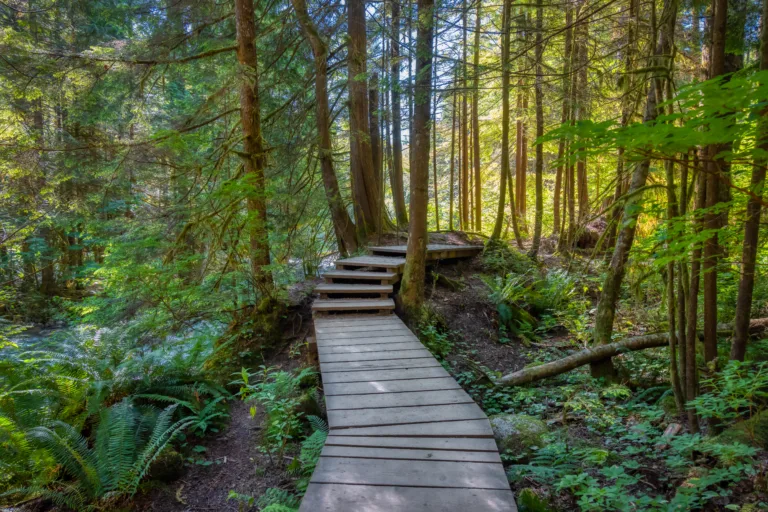
Located just a short drive from downtown, the Barataria Preserve in Jean Lafitte National Historical Park features some of the most iconic hiking near New Orleans. Elevated boardwalks and gravel paths wind through moss-draped cypress trees, bayous, and marsh. Popular routes include the Palmetto Trail and Bayou Coquille Trail, which together create an immersive swamp hiking experience. Visitors often spot alligators, wading birds, and turtles, making this an excellent destination for photography and wildlife observation.
City Park And Couturie Forest
For those who prefer staying within the city, Couturie Forest in New Orleans City Park offers peaceful wooded trails and small hills, including Laborde Mountain, one of the highest points in the city. Meandering paths loop around lagoons and under shady oaks, creating a cool retreat on hot days. This area is especially popular with runners, birders, and families thanks to its easy access, well-maintained routes, and proximity to other City Park attractions.
Bayou Sauvage National Wildlife Refuge
On the eastern edge of the city, Bayou Sauvage National Wildlife Refuge protects one of the largest urban wildlife refuges in the United States. Short, flat trails and boardwalks, such as the Ridge Trail and Madere Marsh Boardwalk, take hikers past freshwater marsh, lagoons, and open water. Because this refuge lies along major migratory flyways, it is a prime spot for birdwatching. Transitional wetland habitats also provide opportunities to see alligators and other native species in a relatively undisturbed setting.
Levee And Lakefront Walking Paths
In addition to designated nature trails, New Orleans offers extensive levee and lakefront paths perfect for long, scenic walks. The Lake Pontchartrain lakefront includes paved and unpaved sections ideal for walking, jogging, or biking while enjoying expansive views of the water. Likewise, Mississippi River levee paths provide panoramic vistas of the river, ships, and city skyline. These routes lack dense forest, yet they deliver wide-open scenery and spectacular sunsets.
Tips For Hiking In New Orleans
Because New Orleans has a humid subtropical climate, it is wise to plan hikes for early morning or late afternoon, especially in summer. Always bring water, insect repellent, and sun protection. Additionally, stay on marked trails and boardwalks, particularly in swamp and marsh environments where wildlife and soft ground can pose hazards. By preparing properly, you can fully enjoy the best hiking trails in New Orleans in comfort and safety.
Conclusion
From wild swamps to urban forests and lakefront levees, New Orleans delivers far more than nightlife and festivals. The region’s accessible, low-elevation trails make it easy for hikers of all levels to experience the area’s distinctive wetlands and rich biodiversity. By exploring top spots like Barataria Preserve, Couturie Forest, Bayou Sauvage, and the lakefront paths, you will gain a deeper appreciation for the natural side of this vibrant Southern city and discover why hiking in New Orleans, LA, deserves a place on every outdoor enthusiast’s itinerary.
Finding the Best Hiking Trails in New Orleans, LA
Where can I find the most popular hiking trails near New Orleans?
How can I choose a hiking trail in New Orleans that matches my skill level?
What is the best season for hiking in New Orleans and what weather should I plan for?
Are there family-friendly or beginner-friendly hiking options in New Orleans?
What safety and wildlife considerations should I keep in mind when hiking around New Orleans?



latest video


news via inbox
Sign up to get local tips delivered to your inbox.