
Best Hiking Trails in Madison, WI
Best Hiking Trails In Madison WI
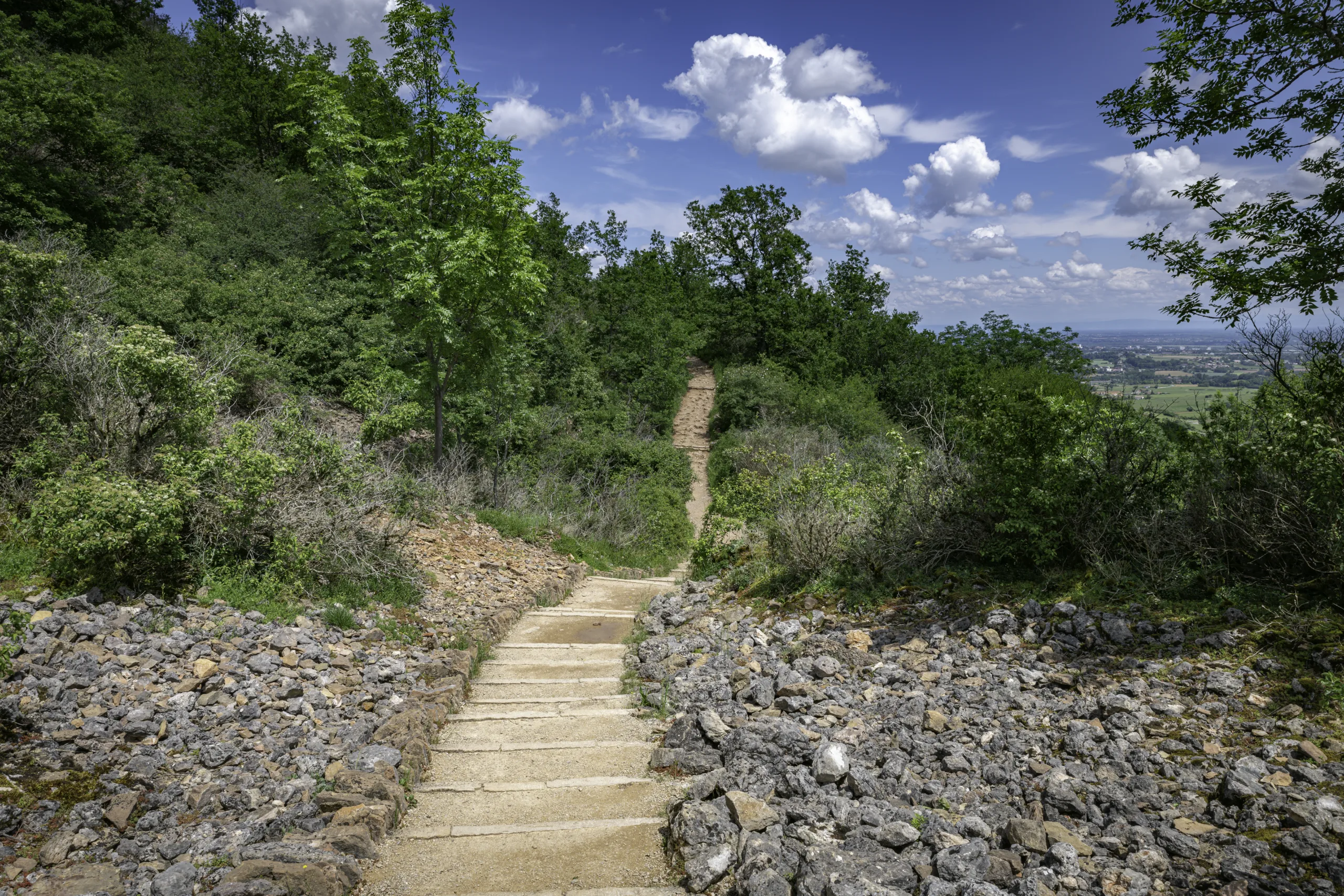
Nestled between sparkling lakes and scenic prairies, Madison, Wisconsin offers some of the best hiking trails in the Midwest for outdoor enthusiasts of all skill levels. From gently rolling paths along Lake Mendota to rugged routes through forested conservancies, the city’s extensive trail network provides countless opportunities to explore nature close to home. Hikers in Madison can enjoy diverse landscapes, including restored prairies, wetlands, oak savannas, and glacial drumlins, all within a short drive of downtown.
Moreover, these top-rated Madison hiking trails are supported by well-maintained facilities, clear signage, and convenient access points, making it easy to plan a quick afternoon walk or a full-day adventure. As you discover the area’s most popular routes, you’ll also find quieter, lesser-known paths that offer a peaceful escape from city life and invite you to return season after season.

Introduction
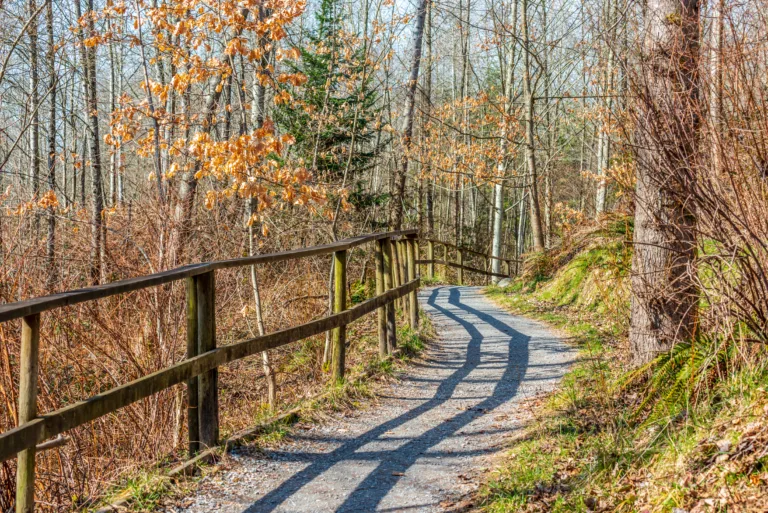
Madison, Wisconsin is a vibrant capital city surrounded by lakes, parks, and nature preserves, making it a prime destination for outdoor enthusiasts. From lakeside paths to forested loops, the best hiking trails in Madison WI offer a variety of scenic experiences for beginners and seasoned hikers alike. This guide highlights top-rated routes, key amenities, and what makes each trail special, helping you plan your next hiking adventure in and around Madison.
Best Urban Hiking Trails In Madison
For hikers who want easy access from downtown, Madison’s urban trail network blends convenience with natural beauty. The Lake Monona Loop, a popular multi-use path, provides stunning views of the downtown skyline and water. Meanwhile, the Lake Mendota Path connects parks, beaches, and the University of Wisconsin–Madison campus, giving hikers plenty of points of interest along the way.
These urban routes are often paved or gravel, making them ideal for walking, jogging, and family outings. Because they are close to cafes and shops, you can easily turn a quick hike into a full day of exploration.
| Trail Name | Approx. Distance | Difficulty | Main Highlights |
|---|---|---|---|
| Lake Monona Loop | 13 miles (loop) | Easy–Moderate | Lakeshore views, skyline, paved multi-use path |
| Lake Mendota Path | 6–8 miles (out & back options) | Easy | Campus scenery, parks, beaches, sunsets |
Scenic Nature Preserves And Forest Trails
Moving away from the core of the city, Madison’s nature preserves provide a more immersive outdoor experience. The Arboretum Trails at the UW–Madison Arboretum are a must-visit, featuring restored prairies, oak savannas, and wetland ecosystems. With several interconnected loops, hikers can tailor the distance to match their fitness level.
Another standout is Owen Conservation Park, a hilly preserve on Madison’s west side. Its grassy meadows and mature woodlands make it a prime spot for bird-watching and fall color viewing. These trails are generally unpaved, so they offer a more traditional hiking feel while still being close to the city.
| Trail Area | Approx. Distance | Difficulty | Best For |
|---|---|---|---|
| UW–Madison Arboretum | 20+ miles (network) | Easy–Moderate | Nature study, varied ecosystems, year-round hiking |
| Owen Conservation Park | 3 miles (loop options) | Easy–Moderate | Wildlife viewing, meadows, city-overlook views |
Iconic Day Hikes Near Madison
Just a short drive from Madison, several iconic day hikes deliver dramatic landscapes and rewarding vistas. Devils Lake State Park, roughly 45 minutes north, is renowned for its quartzite bluffs and crystal-clear lake. The East Bluff and West Bluff Trails feature rocky climbs and panoramic overlooks that are perfect for photography.
To the west, Blue Mound State Park offers the highest point in southern Wisconsin, with forested trails and observation towers that provide far-reaching views of the Driftless Area. These destinations can be more challenging than in-town routes, but they are well worth the effort for hikers seeking a memorable day trip from Madison.
Planning Your Madison Hiking Adventure
When planning to explore the top hiking trails in Madison WI, consider the season, trail conditions, and your fitness level. Spring and fall are particularly pleasant, offering mild temperatures and scenic foliage. Many trails are open year-round, and winter hiking or snowshoeing is common on popular routes.
For the best experience, check park websites or local trail apps for updates, pack water and snacks, and wear appropriate footwear. By combining urban lake paths, nature preserves, and nearby state parks, you can create a diverse itinerary that showcases the very best of Madison’s outdoor recreation.
Conclusion
From waterfront walks to bluff-top overlooks, Madison, Wisconsin delivers an impressive range of hiking options within a compact geographic area. By exploring the city’s lakeside corridors, venturing into its serene nature preserves, and visiting nearby state parks, you can enjoy some of the best hiking trails in the Midwest. With thoughtful planning and an adventurous spirit, your next hike in Madison WI can be both refreshing and unforgettable.
Finding the Best Hiking Trails in Madison, WI
How can I find the best hiking trails in and around Madison, WI?
Use a combination of local park websites, trail apps, and visitor guides to find the best hiking options. The City of Madison Parks Division and Dane County Parks websites list official trails, difficulty levels, and seasonal updates. Supplement this with trail platforms like AllTrails and Hiking Project, where you can filter by distance, difficulty, and user ratings specifically around Madison. Local tourism sites such as Destination Madison and the Ice Age Trail Alliance also maintain curated lists of popular and scenic routes in the area.
What are some of the most popular hiking areas near downtown Madison?
Popular hiking areas close to downtown include the UW Arboretum, which offers varied ecosystems and well-marked loops, and the Lakeshore Path near the University of Wisconsin–Madison campus, which features scenic lake views and relatively easy walking. Just outside the core, Governor Nelson State Park on Lake Mendota and the Pheasant Branch Conservancy in Middleton are highly regarded for their mix of prairie, savanna, and wetland trails. These locations provide accessible options without requiring long drives from central Madison.
How can I choose a hiking trail in Madison that matches my fitness level?
Review trail length, elevation changes, and surface type before deciding where to hike. On trail websites or apps, filter by difficulty rating and read recent user reviews for details about steep sections, muddy areas, or obstacles. Many Madison-area trails, such as those at the UW Arboretum or local conservancies, are relatively gentle and suitable for beginners, while longer segments of the Ice Age National Scenic Trail in Dane County offer more demanding routes. Start with shorter loops, note how long they take you, and then gradually increase distance and difficulty on future outings.
When is the best time of year to hike in Madison, WI, and what conditions should I expect?
Spring through fall is typically the most comfortable hiking season in Madison. Spring offers cool temperatures and emerging wildflowers but can bring muddy trails, so check park advisories before heading out. Summer provides lush greenery and longer daylight hours, but you should be prepared for heat, humidity, and mosquitoes, especially near wetlands. Autumn is often considered ideal, with mild weather, colorful foliage, and generally dry conditions. Winter hiking is possible on many trails, but you may encounter snow and ice, so traction devices and layered clothing are recommended, and some routes may be designated for skiing or snowshoeing instead of hiking.
What should I consider for parking, safety, and regulations on Madison hiking trails?
Before visiting a trail, confirm whether a state park or county park permit is required for parking, especially at Governor Nelson State Park or other Wisconsin state parks. Review posted signs at trailheads for rules on dogs, permitted trail uses, and seasonal closures to protect wildlife or sensitive habitats. For safety, carry water, a charged phone, and a simple map or offline trail app, as cell service can be inconsistent in some natural areas. Stay on marked paths to avoid damaging vegetation and to reduce your risk of getting lost, and let someone know your planned route and expected return time when exploring longer or less familiar trails around Madison.



latest video

news via inbox
Sign up to get local tips delivered to your inbox.