
Salary, Cost of Living & Best Neighborhoods in Staten Island, NY
Staten Island, NY

Staten Island NY Salary And Cost Of Living Overview
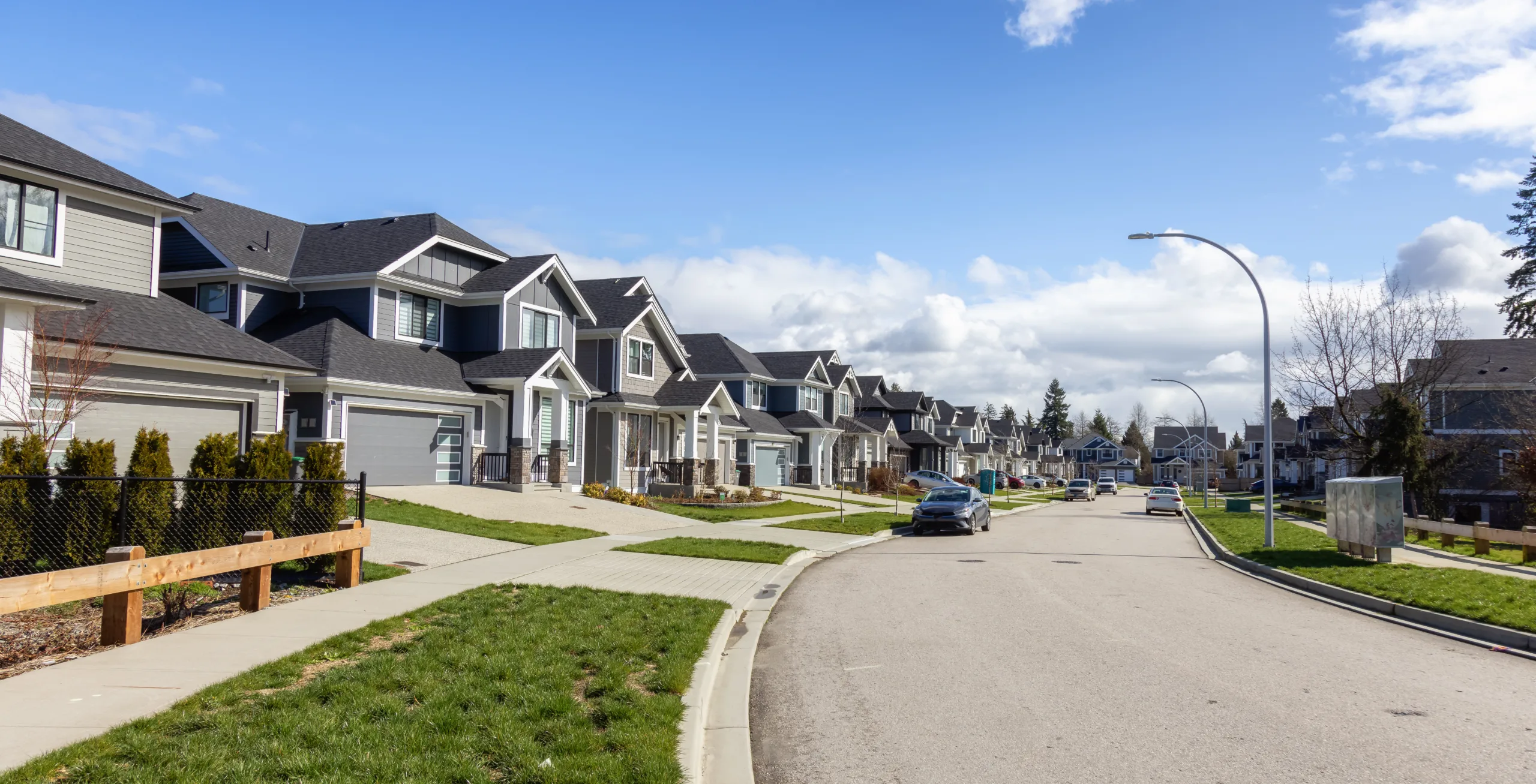
Staten Island, NY, often called New York City’s “borough of parks,” offers a unique blend of suburban comfort and urban access. For professionals, families, and retirees considering a move, understanding the salary landscape and cost of living in Staten Island, New York is essential. Compared with other NYC boroughs, Staten Island can provide more space and slightly lower housing costs, yet it still carries the price tag of a major metropolitan area. The following sections explore average salaries, living expenses, housing prices and rents, neighborhoods, and schools in Staten Island, NY, to help you make an informed decision.
Average Salary In Staten Island NY
When evaluating a move to Staten Island, NY, it is important to compare local earnings to typical expenses. While salaries vary by industry and experience, residents benefit from access to both Staten Island employers and opportunities across the five boroughs.
The table below summarizes illustrative average annual salaries in Staten Island, NY by occupation category. These figures are approximate and based on regional patterns, including New York City metro data.
| Occupation Category (Staten Island, NY) | Approximate Average Annual Salary |
|---|---|
| Registered Nurse | $95,000 – $115,000 |
| Public School Teacher | $80,000 – $105,000 |
| Administrative/Office Professional | $55,000 – $75,000 |
| Retail & Service Workers | $35,000 – $50,000 |
| IT & Tech Professional | $95,000 – $135,000 |
| Healthcare Specialist (Physician, PA, etc.) | $130,000 – $220,000+ |
| Skilled Trades (Electrician, Plumber, etc.) | $70,000 – $100,000 |
For many households, a combined income of $120,000–$160,000 is often considered more comfortable in Staten Island, NY, especially for families that are renting or paying a mortgage. However, individual circumstances, debt levels, and lifestyle preferences will greatly influence what feels affordable.
Cost Of Living In Staten Island NY
The overall cost of living in Staten Island, NY is relatively high compared with the national average, largely due to housing, transportation, and New York State taxes. That said, Staten Island is often more affordable than Manhattan and parts of Brooklyn, making it attractive to those seeking value within New York City.
Below is an illustrative breakdown of typical monthly living expenses for a modest lifestyle in Staten Island, NY, excluding childcare and large debt payments:
| Expense Category (Staten Island, NY) | Estimated Monthly Cost |
|---|---|
| Rent (1–2 bedroom apartment) | $2,200 – $2,900 |
| Utilities (electric, gas, water, trash) | $200 – $350 |
| Internet & Mobile Phone | $120 – $200 |
| Groceries & Household Supplies | $500 – $800 |
| Transportation (MetroCard, gas, tolls, parking) | $250 – $450 |
| Health Insurance & Medical | $300 – $600 |
| Dining Out & Entertainment | $250 – $500 |
Because Staten Island, NY is geographically separated from the rest of New York City, many residents factor in bridge tolls and Staten Island Ferry commutes when budgeting. The Staten Island Ferry itself is free, but travel time and connecting subway fares into Manhattan should be considered, particularly for daily commuters.
Average Home Values And Rents In Staten Island NY
Housing is one of the most important considerations when analyzing the Staten Island, NY cost of living. Compared with other NYC boroughs, Staten Island tends to offer more single-family homes, townhouses, and larger lots, making it especially appealing for families seeking space.
The following chart-style table highlights approximate average home values and rents in Staten Island, New York, by property type:
| Property Type (Staten Island, NY) | Approx. Median Purchase Price | Approx. Average Monthly Rent |
|---|---|---|
| Studio Apartment | $350,000 – $425,000 | $1,700 – $2,000 |
| 1 Bedroom Apartment/Condo | $400,000 – $500,000 | $2,000 – $2,400 |
| 2 Bedroom Apartment/Condo | $475,000 – $600,000 | $2,300 – $2,900 |
| 3 Bedroom Single-Family Home | $650,000 – $800,000+ | $2,800 – $3,500 |
| 4+ Bedroom Single-Family Home | $800,000 – $1,100,000+ | $3,500 – $4,500+ |
While these numbers are estimates, they illustrate that homeownership in Staten Island, NY often requires a substantial down payment and steady income. Rents can be more manageable for individuals and young professionals but still consume a significant portion of monthly earnings, especially at lower salary levels.
Best Neighborhoods In Staten Island NY
Choosing the right neighborhood in Staten Island, NY depends on priorities such as commute time, school quality, home style, and budget. From more urbanized areas near the ferry to quiet, tree-lined streets, Staten Island offers a range of communities.
Below is an overview of some of the best neighborhoods in Staten Island, NY to consider:
| Neighborhood (Staten Island, NY) | General Vibe | Housing & Price Tendencies |
|---|---|---|
| St. George & Tompkinsville | Urban, artsy, close to Staten Island Ferry, waterfront views | Mixed rentals and condos; relatively higher rents for ferry access |
| West Brighton | Established residential area with local shops and parks | Older single-family homes and multi-family units; mid-range pricing |
| Westerleigh | Quiet, tree-lined streets, strong community feel | Single-family homes with yards; moderate to upper-moderate prices |
| New Dorp & New Dorp Beach | Suburban feel with commercial corridors and beach access | Variety of single-family homes and townhouses; mid to higher price range |
| Tottenville | Southern tip of Staten Island, more suburban and historic | Larger homes, some newer developments; mid to upper-tier prices |
| Great Kills & Eltingville | Family-oriented, parks and marinas, good transit options | Predominantly single-family homes; competitive prices reflecting demand |
Many homebuyers evaluate neighborhoods in Staten Island, NY not only on housing costs but also on proximity to schools, parks, and transportation. Visiting neighborhoods at different times of day and speaking with local residents can offer valuable insight into daily life.
Schools And Education In Staten Island NY
For families, the quality of schools in Staten Island, NY is a crucial factor in deciding where to live. Staten Island is served by the New York City Department of Education and is known for several strong public schools, specialized high schools, and private and parochial options.
While academic performance can vary, many neighborhoods in Staten Island, New York, are associated with well-regarded elementary and intermediate schools. Additionally, the borough features specialized high school programs that can be highly competitive.
| School Type (Staten Island, NY) | Key Features |
|---|---|
| Public Elementary & Middle Schools | Neighborhood-based zoning, gifted & talented programs in select schools, access to NYC-wide resources |
| Public High Schools | Traditional, career-focused, and specialized programs; some schools emphasize STEM or arts education |
| Charter & Magnet Programs | Application-based, offering themed curricula and smaller learning communities |
| Private & Parochial Schools | Faith-based and independent schools with tuition; often feature smaller class sizes and community-focused environments |
| Higher Education | Access to nearby colleges and universities in Staten Island and the broader New York City area |
Families researching education in Staten Island, NY are encouraged to review NYC Department of Education data, school report cards, and parent reviews, while also considering transportation times to and from school.
Living And Working In Staten Island NY Final Thoughts
Balancing salary expectations with the cost of living in Staten Island, NY is essential for anyone considering moving to or within the borough. While housing, transportation, and daily expenses reflect the broader New York City market, Staten Island often delivers better value per square foot and a more suburban atmosphere than many other parts of the city.
By carefully reviewing average salaries, home values, rental prices, neighborhood options, and school quality in Staten Island, New York, prospective residents can identify communities that align with their lifestyle and budget. With thoughtful planning and realistic financial expectations, Staten Island, NY can offer a rewarding balance of affordability, space, and access to everything New York City has to offer.
Living in Staten Island, NY: Frequently Asked Questions
What is the overall cost of living like in Staten Island compared to other New York City boroughs?
Staten Island generally has a lower overall cost of living than Manhattan, Brooklyn, and parts of Queens, especially when it comes to housing. Homeownership rates are higher, and you can often find larger properties, including single-family homes, for prices that would secure only a small apartment in other boroughs.
Daily expenses such as groceries and basic services are comparable to the rest of New York City, although commuting costs may be higher if you work in Manhattan and rely on a combination of the Staten Island Ferry, buses, and possibly express buses or other transit. Property taxes in Staten Island can be significant, so homeowners should factor that into their budget, along with car-related expenses, as many residents rely on personal vehicles more than in other boroughs.
What are the transportation options for commuting from Staten Island to Manhattan and other parts of NYC?
The most well-known option is the Staten Island Ferry, a free service running between St. George Terminal on Staten Island and Whitehall Terminal in Lower Manhattan. The ferry operates 24/7, with frequent departures during peak hours and reduced service late at night. Many residents use local buses or drive to the ferry terminal, then walk or take the subway from Manhattan.
Staten Island also offers express buses to Manhattan, which can be convenient but are subject to traffic on bridges and highways. Within the borough, the Staten Island Railway runs from St. George to Tottenville, providing a backbone for north-south travel, complemented by an extensive local bus network. However, there is no direct subway connection to the other boroughs, so residents often rely on a combination of ferry, buses, and cars, making commute times longer than in boroughs with direct subway access.
What is the housing and neighborhood landscape like in Staten Island?
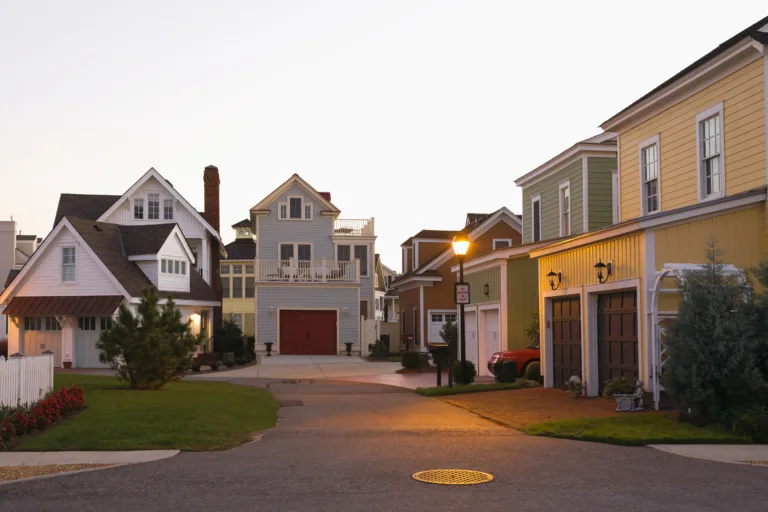
Staten Island is often described as having a more suburban character than the other New York City boroughs. Many neighborhoods feature detached single-family homes, townhouses, and low-rise apartment buildings, often with driveways and yards. This makes it attractive to families and individuals looking for more space while remaining within city limits.
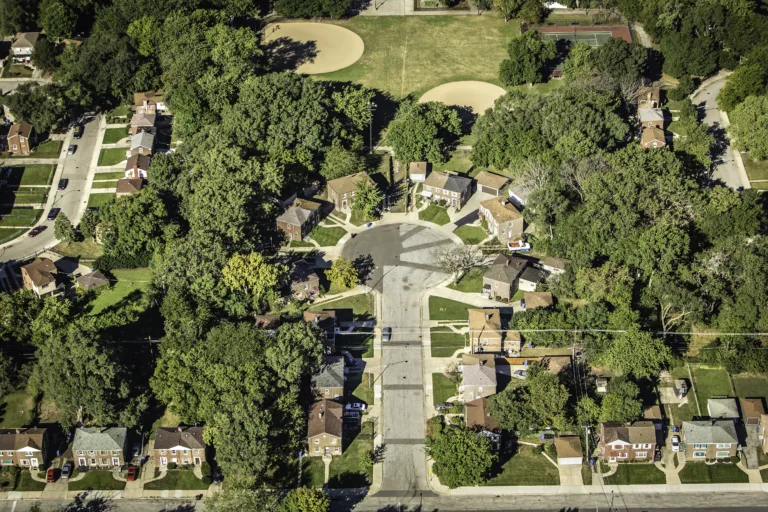
The island is divided into several distinct regions: the North Shore, closer to the ferry, tends to feel more urban, with older housing stock, diverse communities, and easier access to Manhattan. The Mid-Island and South Shore areas are more residential and suburban, with newer developments and a quieter atmosphere. Neighborhoods such as St. George, Tompkinsville, and Stapleton are experiencing revitalization, while areas like Tottenville, Great Kills, and New Dorp are known for family-oriented living. Prospective residents should consider proximity to schools, parks, shopping centers, and transit when evaluating neighborhoods.
What are the schools and educational options like on Staten Island?
Staten Island is served by the New York City Department of Education and offers a range of public, charter, and private school options. The borough is known for several well-regarded public schools, including specialized and screened programs at the middle and high school levels. Staten Island Technical High School, for example, is one of the city’s specialized high schools and is highly competitive.
In addition to traditional public schools, there are Catholic and independent schools that many families consider, as well as early childhood centers and pre-K programs. For higher education, the College of Staten Island (part of CUNY) provides undergraduate and graduate programs within the borough. Families evaluating schools often look at academic performance, commuting distance, special programs, and access to extracurricular activities, so researching individual schools and attending open houses can be especially valuable.
What is the lifestyle and community environment like for residents of Staten Island?
Staten Island offers a blend of urban and suburban lifestyles, with a strong sense of local community. Residents often note that the borough feels more close-knit than other parts of New York City, with many multi-generational families and long-term homeowners. Community events, cultural festivals, and neighborhood organizations contribute to a strong local identity.
The island is known for its significant amount of green space, including the Staten Island Greenbelt, Clove Lakes Park, and Conference House Park, providing extensive opportunities for hiking, biking, and outdoor recreation. There are waterfront promenades, beaches, and cultural institutions such as Snug Harbor Cultural Center and Botanical Garden. Dining options reflect the borough’s diversity, with a mix of classic Italian eateries, new restaurants, and cuisines from around the world. While nightlife is more subdued than in Manhattan or Brooklyn, residents often value the quieter environment and family-friendly atmosphere while still having relatively easy access to city amenities via the ferry or express buses.



latest video

news via inbox
Sign up to get local tips delivered to your inbox.