
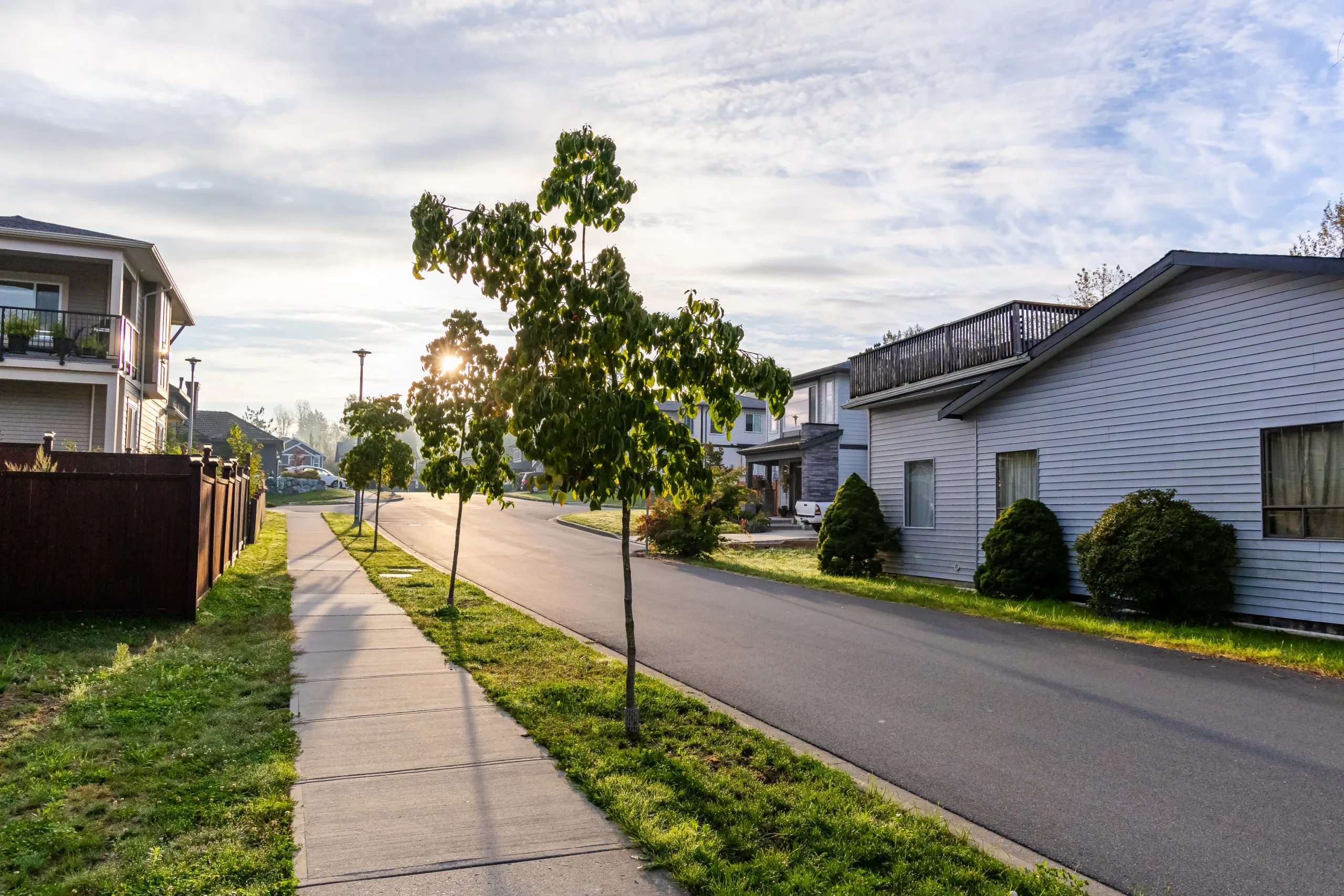
Salary, Cost of Living & Best Neighborhoods in Plano, TX
Plano, TX
Salary And Cost Of Living In Plano TX
Plano, Texas has become one of the most desirable suburbs in the Dallas–Fort Worth metroplex, attracting professionals, families, and businesses alike. With its strong job market, high-performing schools, and modern amenities, many people are evaluating whether Plano TX offers a good balance between salary and cost of living. Understanding average incomes, housing prices, rental rates, and neighborhood options can help you decide if Plano is the right place for your next move.
In the sections below, we will explore the average salary in Plano TX, examine the overall cost of living in Plano TX, and review housing data, top neighborhoods, and schools. This localized information is designed to support anyone considering living, working, or investing in Plano, Texas.
Average Salary In Plano TX
Plano has a diverse and expanding economy, with major employers in technology, financial services, telecommunications, and healthcare. Companies such as Capital One, Toyota North America, JPMorgan Chase, and Frito-Lay have a significant presence in the city, helping support competitive salaries in Plano TX.
The overall median household income in Plano consistently ranks above both state and national averages. While individual salaries vary based on industry and experience, professionals often find that wages compare favorably to similar roles in other parts of Texas.
Below is a representative overview of typical annual salary ranges in Plano TX by occupation (approximate and for informational purposes only):
| Occupation (Plano TX) | Typical Salary Range |
|---|---|
| Software Engineer / IT Professional | $90,000 – $135,000 |
| Financial Analyst / Banking Professional | $70,000 – $110,000 |
| Project Manager (Various Industries) | $80,000 – $120,000 |
| Registered Nurse | $70,000 – $95,000 |
| Teacher (Plano ISD) | $55,000 – $70,000 |
| Retail / Customer Service | $30,000 – $45,000 |
Overall, salaries in Plano TX tend to support a comfortable middle- to upper-middle-class lifestyle, especially for dual-income households or professionals in technology and finance. When combined with Texas’s lack of state income tax, Plano can be financially attractive compared with many coastal markets.
Cost Of Living In Plano TX
The cost of living in Plano TX is moderately higher than the national average but generally comparable to other affluent suburbs in large metro areas. Housing is the primary driver of higher costs, while other categories such as groceries, healthcare, and transportation are usually closer to or slightly above national norms.
To better understand how daily expenses add up, review this summary of the cost of living in Plano compared to the U.S. average:
| Cost Category (Plano TX) | Approximate Index (U.S. = 100) |
|---|---|
| Overall Cost Of Living | 110 – 115 |
| Housing | 120 – 130 |
| Groceries | 100 – 105 |
| Transportation | 100 – 110 |
| Healthcare | 95 – 105 |
| Utilities | 95 – 105 |
While housing costs in Plano are higher than in many other Texas cities, residents often find that quality of life, public safety, and school performance justify the premium. Furthermore, Plano’s strong job base can help households manage these costs, especially when relocating from more expensive markets such as California or the Northeast.
Average Home Values And Rents In Plano TX
Housing is one of the most important considerations for anyone evaluating the cost of living in Plano TX. The city offers a wide variety of options, from luxury estates and master-planned communities to townhomes and modern apartment complexes near major employment centers.
Here is a snapshot of average home values and rental prices in Plano TX:
| Housing Metric (Plano TX) | Approximate Value |
|---|---|
| Median Single-Family Home Value | $500,000 – $550,000 |
| Typical Townhome / Condo Value | $320,000 – $420,000 |
| Average Rent – 1 Bedroom Apartment | $1,350 – $1,650 / month |
| Average Rent – 2 Bedroom Apartment | $1,700 – $2,100 / month |
| Average Rent – Single-Family Home | $2,300 – $3,000+ / month |
To visualize how rent levels change with unit size in Plano, review this simple chart:
| Unit Type (Plano TX) | Relative Rent Level |
|---|---|
| Studio / 1 Bedroom | █ █ █ █ |
| 2 Bedroom Apartment | █ █ █ █ █ █ |
| Single-Family Rental | █ █ █ █ █ █ █ █ |
While home prices in Plano TX have risen rapidly over the past decade, they often remain more affordable than similarly affluent suburbs in coastal states. First-time buyers may look toward smaller homes, townhomes, or older neighborhoods to find better value.
Best Neighborhoods In Plano TX
Choosing the right neighborhood is just as important as understanding salaries and housing costs. Plano offers a variety of communities that cater to different lifestyles, ranging from family-focused subdivisions to urban-style developments near shopping and dining. Below are several popular neighborhoods in Plano TX that are often recommended for their amenities, schools, and overall livability.
| Neighborhood (Plano TX) | Key Features |
|---|---|
| West Plano / Legacy Area |
Upscale homes, proximity to Legacy West, corporate campuses, dining, and entertainment; strong schools and modern amenities. |
| Kings Ridge & Indian Creek |
Master-planned feel, well-maintained properties, convenient access to major highways and employment centers. |
| Willow Bend Area |
Larger luxury homes, golf course communities, tree-lined streets, and close to The Shops at Willow Bend. |
| Central Plano |
More established neighborhoods, somewhat lower entry prices, mature trees, and easy access to parks and schools. |
| East Plano |
Mix of older and newer developments, relatively more affordable housing, and continued redevelopment activity. |
When evaluating the best neighborhoods in Plano TX, consider your priorities: commute time, school zoning, lot size, proximity to shopping and dining, and access to parks or trails. Working with a local Plano real estate agent can also help you identify micro-areas that fit your lifestyle and budget.
Schools And Education In Plano TX
Plano is widely recognized for its high-performing public schools, which is a major reason many families are willing to pay a premium to live within city limits. The majority of the city is served by Plano Independent School District (Plano ISD), with some areas also falling within Frisco ISD and Lewisville ISD.
Plano ISD is known for rigorous academics, extensive Advanced Placement (AP) offerings, career and technical education programs, and a range of extracurricular options. Many campuses receive high marks on state accountability ratings, further enhancing the value proposition of living in Plano.
Below is an overview of key school highlights in Plano TX:
| Education Metric (Plano TX) | Description |
|---|---|
| Public School District | Primarily Plano ISD, with portions served by Frisco ISD and Lewisville ISD. |
| Academic Reputation | Consistently above average test scores and strong college readiness indicators. |
| Special Programs | STEM academies, IB programs (at selected schools), fine arts, and career pathways. |
| Higher Education Access | Close to Collin College campuses and within commuting distance of major universities in DFW. |
For families, the combination of strong schools, safe neighborhoods, and solid income potential makes Plano one of the most appealing destinations in North Texas.
Is Plano TX A Good Place To Live
When you combine all of these factors—above-average salaries, a robust job market, high-quality schools, and a well-planned suburban environment—Plano TX stands out as a compelling place to live, work, and invest. While the cost of living, particularly housing, is higher than in many other Texas cities, the overall value proposition remains strong, especially for professionals seeking suburban amenities with urban conveniences nearby.
As you evaluate whether Plano Texas aligns with your lifestyle and financial goals, consider visiting different neighborhoods, speaking with local residents, and reviewing up-to-date salary and housing data. With thoughtful planning, many households find that Plano offers the right blend of economic opportunity, community amenities, and long-term stability in the Dallas–Fort Worth area.
Living in Plano, TX: Frequently Asked Questions
Is Plano, TX a good place to live for families?
What is the cost of living like in Plano compared to other Texas cities?
What is the job market like in Plano, TX?
How is the commute and transportation in Plano?
What are the schools and educational opportunities like in Plano?



latest video

news via inbox
Sign up to get local tips delivered to your inbox.