
Salary, Cost of Living & Best Neighborhoods in Minneapolis, MN
Minneapolis, MN

Salary And Cost Of Living In Minneapolis MN
Minneapolis, MN is consistently ranked as one of the most livable cities in the United States, offering a blend of urban amenities, strong job opportunities, and access to nature. As more professionals and families consider relocating to the Twin Cities, understanding the salary expectations, cost of living, housing market, neighborhoods, and schools in Minneapolis, Minnesota becomes essential. The following guide provides a detailed overview to help you decide whether living and working in Minneapolis, MN fits your financial and lifestyle goals.
Average Salary In Minneapolis MN
When evaluating a move, one of the first questions is what kind of income you can expect. Minneapolis, MN benefits from a diversified economy, with strengths in healthcare, finance, technology, manufacturing, and education. This economic diversity helps support relatively competitive wages across a variety of sectors.
Below is an illustrative snapshot of average annual salaries in Minneapolis, Minnesota for common roles. These figures are approximate and can vary by experience, certification, and employer.
| Job Category (Minneapolis, MN) | Typical Salary Range (Annual) |
|---|---|
| Software Engineer | $85,000 – $125,000 |
| Registered Nurse | $75,000 – $105,000 |
| Financial Analyst | $70,000 – $95,000 |
| Project Manager | $80,000 – $110,000 |
| Teacher (K–12) | $50,000 – $80,000 |
| Administrative Professional | $40,000 – $60,000 |
Across all occupations, the average salary in Minneapolis, MN typically runs higher than the national average, reflecting both the strong job market and the city’s role as a regional hub. Major employers in and around Minneapolis include healthcare systems, Fortune 500 companies, and well-established universities, all of which contribute to a relatively stable employment landscape.
Cost Of Living In Minneapolis MN
The next piece of the puzzle is the overall cost of living in Minneapolis, Minnesota. While Minneapolis is not as expensive as coastal hubs like San Francisco or New York, it is generally somewhat higher than the national average, particularly when it comes to housing and transportation. However, residents often find that good salaries, extensive public amenities, and a high quality of life help balance these costs.
| Cost Category (Minneapolis, MN) | Approximate Cost Index* | Notes |
|---|---|---|
| Overall Cost Of Living | 105 – 110 | About 5–10% above U.S. average |
| Housing | 110 – 120 | Higher than national average, but below major coastal cities |
| Groceries | 100 – 105 | Close to national average |
| Utilities | 95 – 105 | Seasonal variance due to winter heating costs |
| Transportation | 105 – 115 | Includes car ownership and public transit options |
| Healthcare | 100 – 110 | High-quality networks with slightly elevated costs |
*An index of 100 equals the U.S. average. Values above 100 indicate higher-than-average costs.
To make these numbers more concrete, many residents of Minneapolis, MN find that single professionals can live comfortably on a moderate salary, especially if they share housing or choose more affordable neighborhoods. Families, especially those seeking larger homes and access to top-rated schools, may want higher household incomes to maintain a similar lifestyle. As you compare job offers, it is wise to pair salary estimates with expected housing, childcare, commuting, and healthcare expenses specific to Minneapolis, Minnesota.
Average Home Values And Rents In Minneapolis MN
Housing is one of the largest components of the cost of living in Minneapolis, MN. The city offers a mix of historic single-family homes, modern condos, and mid-rise apartment communities, allowing renters and buyers to find something that fits a range of budgets.
| Housing Metric (Minneapolis, MN) | Typical Range |
|---|---|
| Median Home Value | $340,000 – $380,000 |
| Entry-Level Condos/Townhomes | $230,000 – $320,000 |
| Single-Family Homes (Popular Neighborhoods) | $400,000 – $650,000+ |
| Average Rent Studio | $1,100 – $1,400 per month |
| Average Rent 1-Bedroom | $1,300 – $1,700 per month |
| Average Rent 2-Bedroom | $1,700 – $2,300 per month |
While these figures are estimates, they provide a realistic sense of what you might encounter when looking for a home in Minneapolis, Minnesota. Neighborhoods closer to downtown, lakes, and major employment centers often command higher prices, whereas areas slightly farther out can offer more space and value. Over time, Minneapolis housing values have shown steady appreciation, making the city appealing to long-term homeowners as well as renters.
Best Neighborhoods In Minneapolis MN
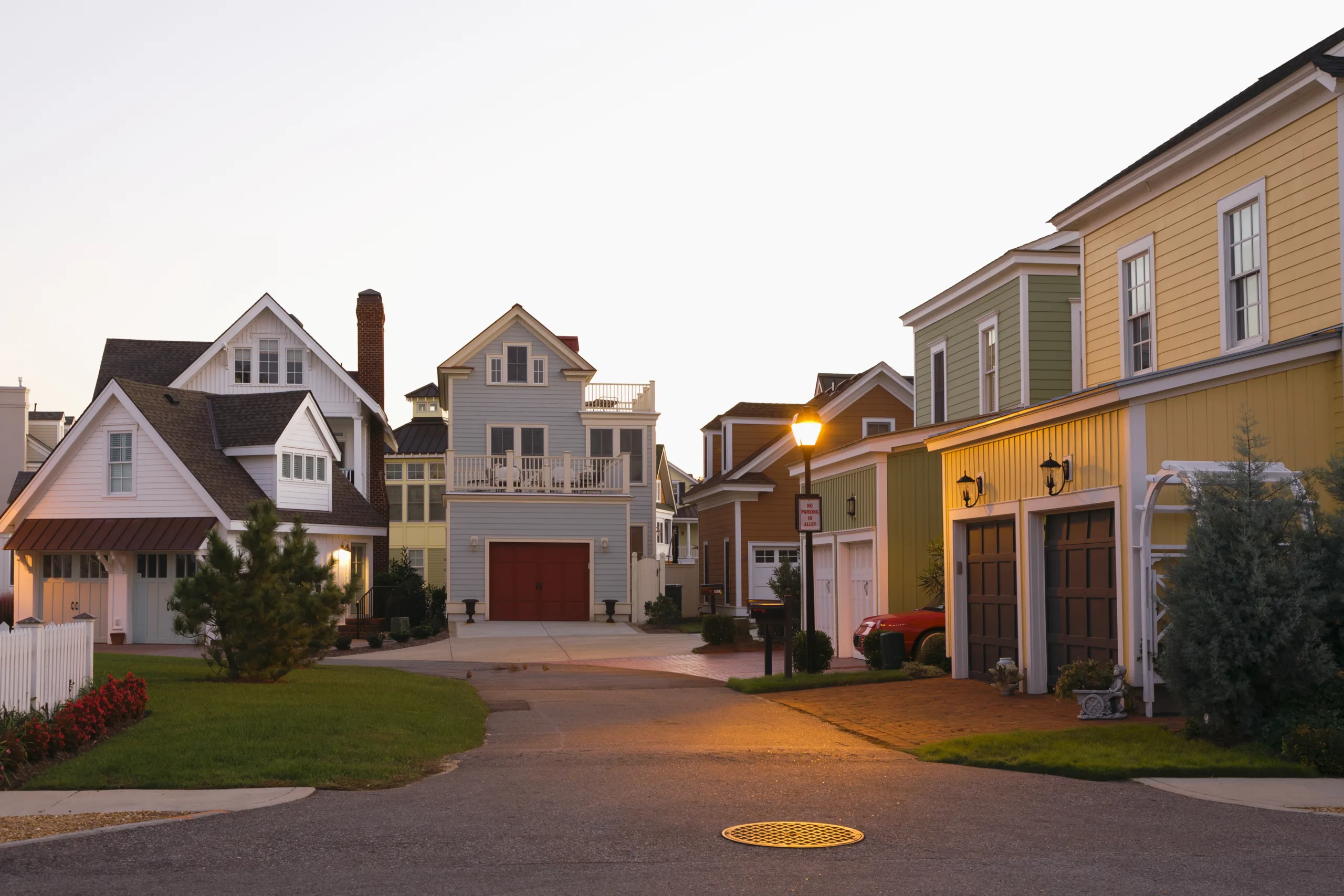
Choosing where to live in Minneapolis, MN involves balancing commute times, lifestyle, school access, and housing costs. The city is known for its distinct neighborhoods, each with its own character and price point. Below is a comparative chart highlighting several popular neighborhoods in Minneapolis, Minnesota and how they generally differ.
| Neighborhood (Minneapolis, MN) | General Vibe | Typical Home Prices | Typical Rents |
|---|---|---|---|
| Uptown / Lake Calhoun (Bde Maka Ska) | Lively, walkable, near lakes, popular with young professionals | $400,000 – $700,000+ | $1,400 – $2,400+ |
| North Loop / Warehouse District | Trendy, urban lofts, strong dining and nightlife | $450,000 – $800,000+ | $1,600 – $2,600+ |
| Northeast Minneapolis | Arts-focused, breweries, mix of single-family and multifamily | $320,000 – $550,000 | $1,200 – $2,000 |
| Linden Hills | Family-friendly, near lakes and parks, charming commercial nodes | $500,000 – $900,000+ | $1,800 – $2,800+ |
| Longfellow | Quieter, residential, good value and access to river trails | $280,000 – $450,000 | $1,100 – $1,900 |
| South Minneapolis (King Field, Powderhorn, etc.) | Diverse, walkable, strong community feel | $300,000 – $500,000 | $1,100 – $2,000 |
As you compare the best neighborhoods in Minneapolis, MN, consider how factors like access to transit lines, proximity to parks and lakes, and nearby schools align with your daily routine. For those working downtown, neighborhoods like North Loop or Uptown may minimize commute time, while families may prioritize quieter residential areas in South Minneapolis or near the city lakes.
Schools And Education In Minneapolis MN
For families relocating to Minneapolis, MN, school options play a central role in neighborhood decisions and overall satisfaction with the move. The Minneapolis Public Schools (MPS) district serves much of the city and offers a range of traditional, magnet, and specialty programs. In addition, the greater Twin Cities area includes charter schools, private schools, and nearby suburban districts that some families consider.
| Education Option (Minneapolis, MN) | Type | Key Features |
|---|---|---|
| Minneapolis Public Schools (MPS) | Public District | Neighborhood schools, magnet programs, language immersion, and arts-focused options |
| Charter Schools In Minneapolis MN | Public Charter | Specialized curricula, smaller communities, STEM and college-prep focuses |
| Private And Parochial Schools | Private | Faith-based education, independent college-prep schools, varied tuition levels |
| Higher Education (University Of Minnesota, Augsburg, etc.) | Colleges/Universities | Major research university and liberal arts colleges located within Minneapolis, MN |
School ratings can vary by individual campus, so families looking to live in Minneapolis, Minnesota often research specific schools in neighborhoods such as Southwest Minneapolis, Nokomis, or Northeast. Access to educational options, along with parks, libraries, and community centers, contributes significantly to the overall quality of life and the long-term attractiveness of Minneapolis as a place to raise children.
Living In Minneapolis MN Balancing Salary And Lifestyle
Putting all of these factors together, living in Minneapolis, MN means balancing a strong job market and competitive salaries with a cost of living that is modestly above the U.S. average. Housing costs—both for renters and buyers—are the primary driver of higher expenses, especially in the most desirable neighborhoods near lakes, parks, and downtown. However, many residents feel that the trade-offs are worthwhile, given the city’s vibrant arts scene, extensive bike trails, numerous lakes, and four distinct seasons.
For professionals considering a relocation, it is wise to compare expected Minneapolis, Minnesota salaries with realistic estimates of rent or mortgage payments, utilities, transportation, and education costs. When you factor in the rich neighborhood diversity and school options, Minneapolis, MN emerges as a compelling choice for those seeking a high quality of life in the Upper Midwest, especially if your career aligns with the key industries that drive the local economy.
Frequently Asked Questions About Living in Minneapolis, MN
What are the main advantages of living in Minneapolis, MN?
How does the cost of living in Minneapolis compare to other U.S. cities?
What is the weather like in Minneapolis throughout the year?
Is Minneapolis a safe place to live?
What are the transportation options and commute conditions in Minneapolis?



latest video


news via inbox
Sign up to get local tips delivered to your inbox.