
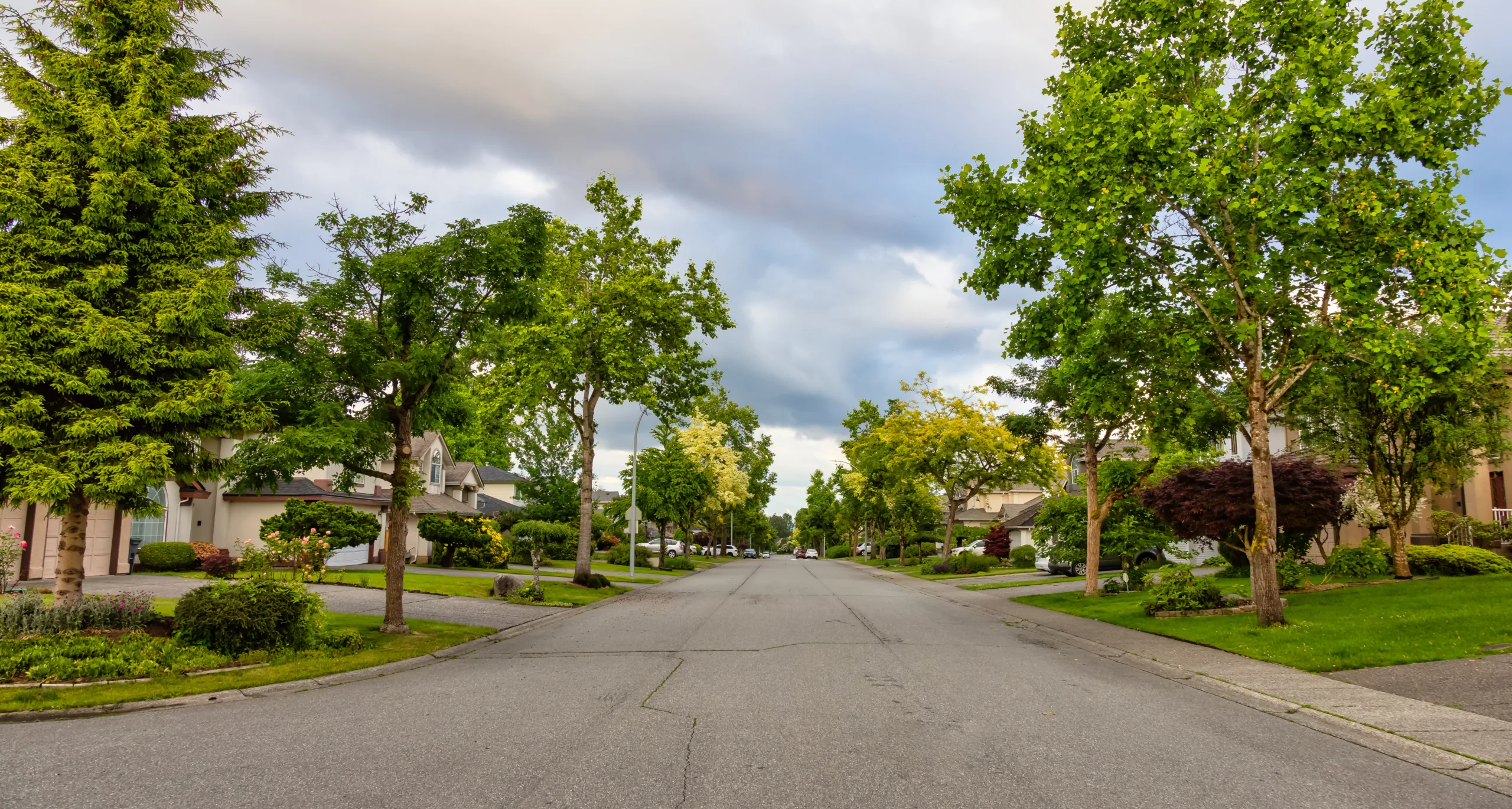
Salary, Cost of Living & Best Neighborhoods in Mesa, AZ
Mesa, AZ
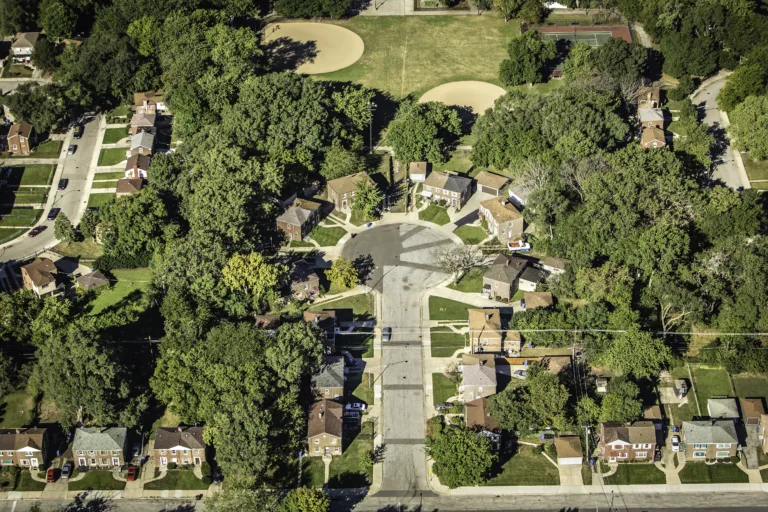
Salary And Cost Of Living In Mesa AZ
Mesa, Arizona is one of the fastest-growing cities in the Phoenix metro area, attracting professionals, families, and retirees who are looking for a balance between income potential and an attainable cost of living. As more people research whether Mesa is the right place for them, understanding the average salary, cost of living, housing market, neighborhoods, and schools in Mesa AZ becomes essential. The following guide provides a detailed overview of what you can expect if you live and work in Mesa.
Average Salary In Mesa AZ
The average salary in Mesa AZ reflects the city’s diverse economy, which includes healthcare, education, aerospace, manufacturing, retail, and a growing technology sector. While exact figures vary by source and year, many recent estimates place the average annual salary in Mesa in the range of approximately $55,000 to $65,000, with household incomes often tracking slightly higher due to dual-income families.
To put earnings in perspective, here is a simple overview of typical income ranges for several common professions in Mesa:
| Occupation – Mesa AZ | Estimated Annual Salary Range |
|---|---|
| Registered Nurse | $70,000 – $90,000 |
| Elementary School Teacher | $50,000 – $65,000 |
| Software Developer | $85,000 – $115,000 |
| Administrative Assistant | $40,000 – $50,000 |
| Retail Sales Associate | $30,000 – $40,000 |
These figures demonstrate that professional and technical roles in Mesa AZ can provide strong earning potential, especially when compared to the city’s relatively moderate living expenses. Furthermore, as the Phoenix East Valley continues to grow, wage competition in many sectors is slowly increasing, offering opportunities for long-term salary growth.
Cost Of Living In Mesa AZ
The cost of living in Mesa AZ is generally considered more affordable than in many large coastal cities, but it has risen in recent years along with the rest of the Phoenix metropolitan area. Overall costs tend to be close to or slightly below the U.S. average, depending on housing and lifestyle choices.
The following table offers an at-a-glance comparison of key monthly living expenses for a typical household in Mesa:
| Expense Category – Mesa AZ | Estimated Monthly Cost | Notes |
|---|---|---|
| Housing (Rent or Mortgage) | $1,500 – $2,400 | Varies by neighborhood and home size |
| Utilities (Electric, Water, Trash) | $180 – $260 | Higher in summer due to AC usage |
| Groceries | $450 – $750 | For a typical household |
| Transportation | $400 – $700 | Car payments, fuel, insurance |
| Internet & Cell Phone | $120 – $220 | Depending on plans and providers |
| Entertainment & Dining Out | $200 – $400 | Highly lifestyle-dependent |
When comparing salary vs. cost of living in Mesa AZ, many residents find that they can enjoy a good quality of life, particularly if they are careful with housing choices and transportation costs. Mesa also benefits from Arizona’s relatively moderate state income tax rates and no tax on groceries, which can help residents stretch their budgets further.
Average Home Values And Rents In Mesa AZ
Housing is often the largest expense in any budget, so understanding average home values and rents in Mesa AZ is vital. The housing market has become more competitive in recent years as demand in the Phoenix East Valley has surged. Even so, Mesa often remains more affordable than some neighboring suburbs.
Below is a general snapshot of typical price and rent ranges in Mesa:
| Housing Type – Mesa AZ | Typical Price / Rent Range |
|---|---|
| Single-Family Home (Median Value) | $425,000 – $500,000 |
| Townhome / Condo (Median Value) | $300,000 – $380,000 |
| 1-Bedroom Apartment Rent | $1,200 – $1,500 / month |
| 2-Bedroom Apartment Rent | $1,500 – $1,900 / month |
| Single-Family Home Rent | $1,900 – $2,600 / month |
While housing costs have climbed, Mesa AZ still offers relative value compared to many major U.S. cities, particularly when factoring in newer construction, master-planned communities, and access to freeways and employment centers. Prospective buyers and renters should carefully evaluate specific neighborhoods, school zones, and commute times when comparing options.
Best Neighborhoods In Mesa AZ
When relocating, choosing the right neighborhood is just as important as understanding income and expenses. Fortunately, there are several highly regarded neighborhoods in Mesa AZ, each with its own character, amenities, and price points.
| Neighborhood – Mesa AZ | Key Features | Typical Home Price Range |
|---|---|---|
| Eastmark | Master-planned community, parks, community events, newer homes | $500,000 – $800,000+ |
| Las Sendas | Golf community, mountain views, access to outdoor recreation | $550,000 – $1,200,000+ |
| Red Mountain Ranch | Golf course, established homes, convenient freeway access | $450,000 – $800,000 |
| Dobson Ranch | Lakes, mature landscaping, community amenities, central location | $400,000 – $650,000 |
| Downtown Mesa | Walkability, arts and culture, light rail access | $350,000 – $600,000 |
These top Mesa AZ neighborhoods attract a mix of families, professionals, and retirees. For those seeking newer construction and abundant amenities, Eastmark and Las Sendas are popular choices. Meanwhile, Dobson Ranch and Downtown Mesa appeal to residents who value central locations and established communities. As you consider where to live, factor in commute patterns, school districts, nearby shopping, healthcare facilities, and recreational options.
Schools And Education In Mesa AZ
Education is a significant consideration for families weighing the cost of living in Mesa AZ. The city is served primarily by Mesa Public Schools, the largest unified school district in Arizona, as well as portions of other districts and a robust selection of charter and private schools. Mesa is also home to higher education institutions, including Mesa Community College and Arizona State University’s Polytechnic campus nearby in east Mesa.
The table below highlights some educational options in and around Mesa:
| School / Institution – Mesa AZ | Type | Notable Features |
|---|---|---|
| Mesa Public Schools | Public K–12 District | Wide range of neighborhood schools, magnets, and special programs |
| Red Mountain High School | Public High School | Strong academics, athletics, and extracurricular opportunities |
| Mountain View High School | Public High School | Established reputation, college prep and activities |
| Basis Mesa | Charter School | Rigorous academic curriculum, STEM focus |
| Mesa Community College | Community College | Two-year degrees, certificates, and university transfer programs |
| ASU Polytechnic Campus (East Mesa) | University Campus | Engineering, technology, and applied science programs |
For families evaluating schools in Mesa AZ, it is wise to review state report cards, tour campuses, and speak with local parents. Because school boundaries can influence both home values and lifestyle, many homebuyers prioritize specific districts or attendance zones when searching for a house in Mesa.
Living And Working In Mesa AZ
Ultimately, determining whether Mesa is the right fit comes down to balancing earnings, expenses, and quality of life. When you compare the average salary in Mesa AZ with the city’s relatively moderate cost of living and housing, Mesa often stands out as a compelling choice for those seeking a dynamic yet attainable lifestyle in the Phoenix metro area.
From master-planned communities and golf course neighborhoods to a revitalized downtown corridor and extensive educational options, Mesa AZ offers a range of opportunities for families, professionals, and students. As you weigh your decision, consider your career prospects, preferred neighborhoods, school preferences, and long-term financial goals. With careful planning, Mesa can provide both economic stability and a high quality of life in the heart of the Arizona desert.
Frequently Asked Questions About Living in Mesa, AZ
What is the cost of living like in Mesa, AZ?
How hot does it get in Mesa, and how do residents cope with the climate?
What are the job opportunities and major industries in Mesa?
How is the quality of life and what amenities are available in Mesa?
What should new residents know about transportation and getting around Mesa?

latest video

news via inbox
Sign up to get local tips delivered to your inbox.