
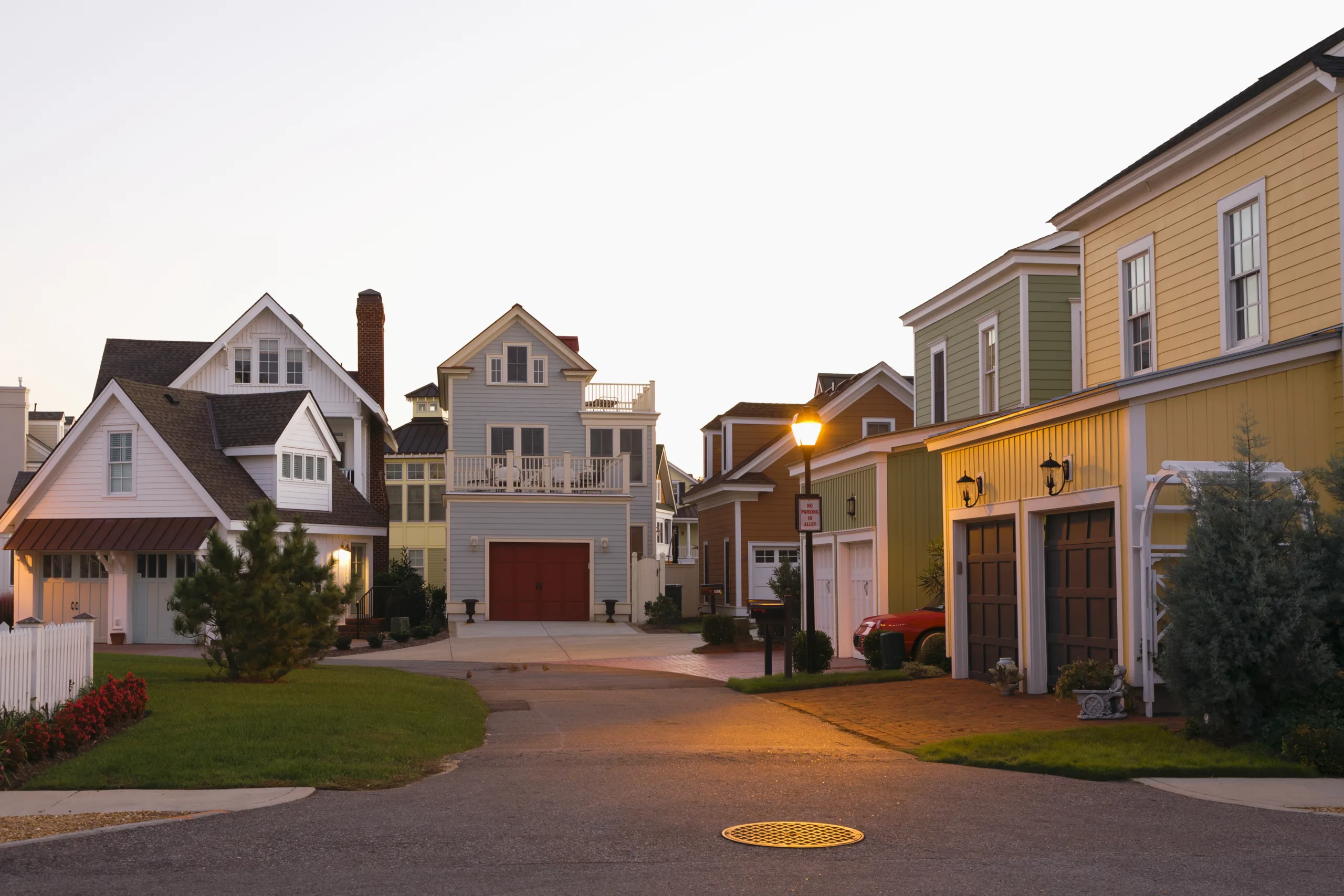
Salary, Cost of Living & Best Neighborhoods in Fort Wayne, IN
Fort Wayne, IN

Salary And Cost Of Living In Fort Wayne IN
Fort Wayne, Indiana is increasingly recognized as a city where residents can enjoy a strong balance between income and affordability. Located in northeastern Indiana, Fort Wayne blends a growing job market with a relatively low cost of living, making it attractive to families, young professionals, and retirees alike. Understanding the relationship between salaries, housing costs, and everyday expenses in Fort Wayne, IN can help you decide whether this city is the right place for your next move or investment.
Average Salary In Fort Wayne IN
When evaluating a potential relocation, one of the first questions people ask is how much they can expect to earn. In Fort Wayne, IN, salaries tend to reflect the regional economy, which is driven by manufacturing, healthcare, education, logistics, and professional services.
Average salaries in Fort Wayne are generally competitive for the Midwest, especially when adjusted for the city’s lower cost of living. Many residents find that while salaries may be slightly lower than national averages in some fields, their purchasing power is significantly higher.
Below is an approximate overview of typical annual salaries in Fort Wayne, IN by job category:
| Occupation Category | Approximate Average Salary (Annual) |
|---|---|
| Registered Nurse | $68,000 – $78,000 |
| Manufacturing / Production Technician | $42,000 – $52,000 |
| Software / IT Professional | $75,000 – $95,000 |
| Teacher (K–12) | $45,000 – $60,000 |
| Administrative / Office Support | $35,000 – $45,000 |
| Retail / Service Worker | $25,000 – $32,000 |
Overall, many full-time workers in Fort Wayne, IN earn enough to afford comfortable housing and everyday expenses, particularly when budgeting carefully. Because of this, the city has become a popular choice for remote workers who can earn national-level salaries while benefiting from local Indiana prices.
Cost Of Living In Fort Wayne IN
Once you understand income levels, the next step is to compare salaries with the cost of living in Fort Wayne, IN. The city is widely regarded as more affordable than many larger metros in the Midwest and across the United States.
Key expenses such as housing, utilities, transportation, and groceries tend to be below the national average. This means that your paycheck generally goes further in Fort Wayne compared to larger cities like Chicago, Indianapolis, or Columbus.
| Expense Category | Estimated Monthly Cost |
|---|---|
| Rent (One-Bedroom Apartment) | $800 – $1,050 |
| Utilities (Electric, Gas, Water, Internet) | $180 – $260 |
| Groceries | $275 – $375 |
| Transportation (Car / Gas / Insurance) | $250 – $400 |
| Dining Out & Entertainment | $150 – $300 |
| Health Insurance & Medical (Varies) | $200 – $350 |
For a small family, these costs rise but still remain modest compared with similar cities. Fort Wayne, IN is often considered an ideal location for those seeking a manageable cost of living without sacrificing urban amenities. The city offers shopping, dining, cultural attractions, parks, and family-friendly activities, all at prices that are generally more accessible than in larger metropolitan areas.
Average Home Values And Rents In Fort Wayne IN
Housing is one of the most important factors when examining the salary and cost of living in Fort Wayne, IN. Prospective homeowners and renters benefit from a marketplace that is typically more affordable than the national average, yet still showing signs of healthy appreciation.
Average home values in Fort Wayne, IN have been steadily rising in recent years due to strong demand and limited inventory. However, even with growth, the city remains a budget-friendly option for first-time homebuyers and investors.
| Housing Type | Estimated Price / Rent |
|---|---|
| Median Single-Family Home Value | $190,000 – $230,000 |
| Newer Construction Home (3–4 Bedrooms) | $280,000 – $380,000 |
| One-Bedroom Apartment Rent | $800 – $1,050 / month |
| Two-Bedroom Apartment Rent | $1,000 – $1,350 / month |
| Single-Family Home Rent | $1,300 – $1,900 / month |
To help visualize the relationship between home values and rents in Fort Wayne, IN, consider the simplified chart below:
| Property Type | Approximate Value | Approximate Monthly Rent |
|---|---|---|
| Entry-Level Condo / Townhome | $150,000 – $190,000 | $900 – $1,150 |
| Mid-Range Single-Family Home | $220,000 – $280,000 | $1,300 – $1,700 |
| Larger Suburban Home | $320,000 – $420,000 | $1,700 – $2,200 |
These numbers highlight why many residents of Fort Wayne, IN can comfortably transition from renting to owning. Mortgage payments are often comparable to, or lower than, monthly rent for similar properties, especially for buyers with good credit and a reasonable down payment.
Best Neighborhoods In Fort Wayne IN
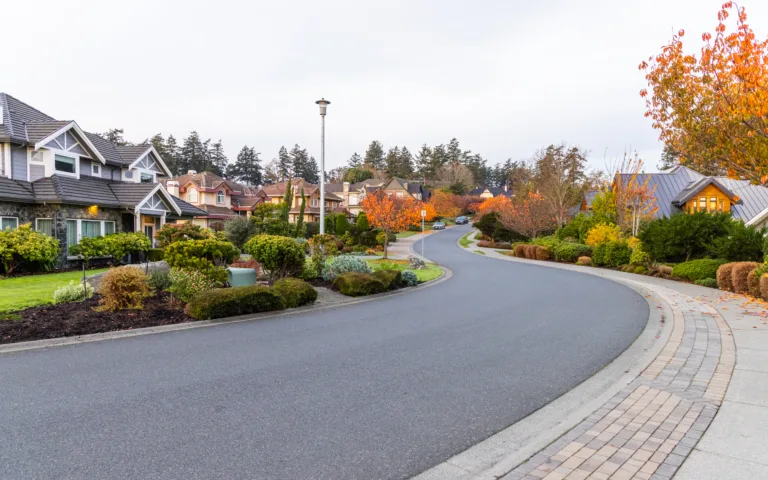
In addition to costs and salaries, quality of life depends heavily on where you live within the city. Fort Wayne, IN offers an array of neighborhoods, each with its own character, price point, and amenities. From historic districts to modern subdivisions, there is truly something for every lifestyle.
Some of the best-known neighborhoods and areas in Fort Wayne, IN include:
| Neighborhood / Area | Key Features |
|---|---|
| Downtown Fort Wayne | Urban living, new apartments and condos, walkability, restaurants, arts, and entertainment. |
| Northwest Fort Wayne | Suburban feel, shopping centers, newer subdivisions, convenient access to I-69. |
| Southwest Fort Wayne | Popular with families, good schools, parks, golf courses, and well-maintained neighborhoods. |
| Lakeside / Forest Park Area | Charming older homes, tree-lined streets, close to parks and the rivergreenway trail system. |
| ’07 District (South Central) | Historic homes, growing dining scene, strong neighborhood identity and community events. |
Many people relocating to Fort Wayne, IN choose neighborhoods based on a combination of commute time, school quality, and housing affordability. As you compare options, consider visiting at different times of day and talking with local residents to get a feel for the community.
Schools And Education In Fort Wayne IN
For families considering a move, schools are a critical component of the overall cost of living and quality of life in Fort Wayne, IN. The city is served by several public school districts, as well as private and parochial schools. In addition, Fort Wayne offers several higher education options, making it a regional hub for learning.
Key K–12 school districts in the Fort Wayne, IN area include:
| School District | General Characteristics |
|---|---|
| Fort Wayne Community Schools (FWCS) | Largest district in the city, diverse student population, magnet programs, and specialty academies. |
| Southwest Allen County Schools (SACS) | Serves much of southwest Fort Wayne, often noted for strong academic performance and modern facilities. |
| Northwest Allen County Schools (NACS) | Serves growing northwest suburbs, known for newer schools and competitive academic and athletic programs. |
Families also have access to a variety of private and parochial schools, including well-regarded Catholic and Christian academies. At the college level, residents of Fort Wayne, IN can attend institutions such as Purdue University Fort Wayne, Ivy Tech Community College, and several private universities and specialty schools.
Educational options in Fort Wayne, IN contribute significantly to the city’s appeal for families, offering a mix of affordability and academic opportunity. When combined with reasonable housing prices, many parents find they can secure excellent schooling without the extremely high property taxes found in some larger metros.
Living Comfortably In Fort Wayne IN
Fort Wayne, Indiana offers a compelling combination of competitive salaries, modest home prices, and a generally low cost of living. Residents can typically enjoy comfortable housing, reliable schools, and access to culture, dining, and recreation without the financial strain common in many larger cities.
If you are looking for a city where your income stretches further, Fort Wayne, IN deserves serious consideration. By carefully reviewing average salaries, housing costs, neighborhood options, and school choices, you can make an informed decision about whether this growing Midwestern city aligns with your financial goals and lifestyle priorities. As Fort Wayne continues to invest in its downtown, parks, and infrastructure, its reputation as an affordable, family-friendly community is likely to grow even stronger in the years ahead.
Frequently Asked Questions About Living in Fort Wayne, IN
What is the cost of living like in Fort Wayne, IN?
What are the job opportunities and major industries in Fort Wayne?
How is the quality of life and community atmosphere in Fort Wayne?
What recreational and cultural activities are available in Fort Wayne?
What should I know about schools and education in Fort Wayne?



latest video

news via inbox
Sign up to get local tips delivered to your inbox.