
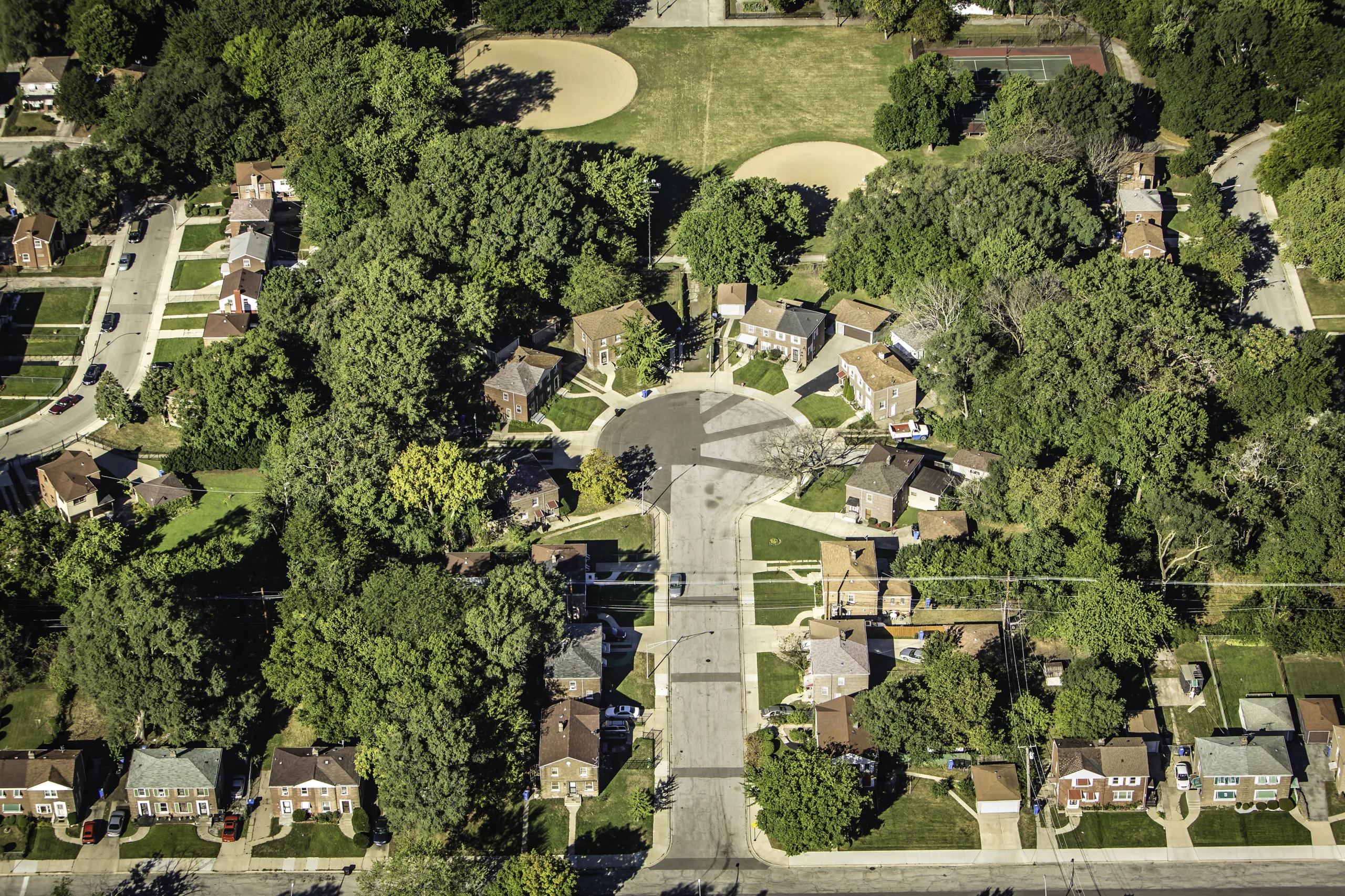
Salary, Cost of Living & Best Neighborhoods in Chicago, IL
Chicago, IL
Salary And Cost Of Living In Chicago IL
Chicago, IL is one of the Midwest’s largest economic hubs, attracting professionals in finance, healthcare, technology, education, and logistics. When evaluating a move to the city, it is important to understand both the average salaries in Chicago and the overall cost of living in Chicago, IL. By comparing income levels with housing, transportation, and daily expenses, you can better determine whether the city aligns with your financial goals and lifestyle.
Average Salary In Chicago IL
The job market in Chicago, IL is diverse, offering a wide range of salaries depending on industry, education, and experience. Overall, the average base salary in Chicago, IL tends to be higher than the national average, reflecting its status as a major metropolitan area.
Below is a general overview of estimated average salary ranges across several common professional fields in Chicago, Illinois:
| Industry (Chicago, IL) | Estimated Average Salary |
|---|---|
| Information Technology & Software | $85,000 – $120,000 |
| Finance & Accounting | $70,000 – $110,000 |
| Healthcare (RNs, Allied Health) | $65,000 – $105,000 |
| Education & Nonprofit | $45,000 – $75,000 |
| Sales & Marketing | $55,000 – $95,000 |
| Skilled Trades & Manufacturing | $50,000 – $80,000 |
In many professional roles, a salary between $70,000 and $90,000 is considered comfortable for a single person living in Chicago, particularly when combined with mindful budgeting. However, households with children or those seeking larger homes may aim for higher income levels to keep up with housing and childcare expenses.
Cost Of Living In Chicago IL
The cost of living in Chicago, IL is generally higher than the national average but often lower than coastal cities such as New York or San Francisco. Housing is typically the largest expense, followed by transportation, food, and healthcare. To provide a useful snapshot, the following chart outlines estimated monthly living costs for one adult in Chicago.
| Expense Category (Chicago, IL) | Estimated Monthly Cost |
|---|---|
| Rent (1-Bedroom Apartment) | $1,800 – $2,600 |
| Utilities (Electric, Gas, Water, Internet) | $180 – $280 |
| Groceries & Food | $350 – $550 |
| Public Transportation (CTA Pass) or Gas/Parking | $120 – $300 |
| Healthcare & Insurance (Out-of-Pocket) | $150 – $300 |
| Entertainment, Dining, Miscellaneous | $200 – $400 |
Taken together, a typical single resident might spend approximately $2,800 to $4,400 per month on core expenses in Chicago, IL. Costs can be reduced by living with roommates, choosing neighborhoods farther from downtown, using public transit, and cooking at home more frequently.
Average Home Values And Rents In Chicago IL
Housing markets play a major role in the overall cost of living in Chicago, Illinois. Chicago offers a mix of historic single-family homes, high-rise condominiums, and modern apartment complexes. Prices and rents vary significantly by neighborhood.
The table below provides a general overview of estimated average home values and rents in Chicago, IL:
| Housing Metric (Chicago, IL) | Estimated Amount |
|---|---|
| Median Home Value (Citywide) | $320,000 – $380,000 |
| Condo/Townhome Median Price | $260,000 – $350,000 |
| Single-Family Home Median Price | $350,000 – $500,000 |
| Average Rent – Studio | $1,400 – $1,900 |
| Average Rent – 1 Bedroom | $1,800 – $2,600 |
| Average Rent – 2 Bedroom | $2,300 – $3,200 |
Neighborhood location, building amenities, proximity to the “L” train, and parking availability can significantly affect pricing. Downtown Chicago neighborhoods and lakefront areas often command higher prices, while communities on the Northwest, Southwest, and Far South Sides generally offer more budget-friendly options.
Best Neighborhoods In Chicago IL
Chicago, IL is known for its distinct neighborhoods, each with its own character, amenities, and price points. Whether you are a young professional, a family seeking good schools, or a retiree downsizing, you can find a suitable community that balances cost with quality of life.
Below is an overview of some of the best-known neighborhoods in Chicago, Illinois, along with typical housing characteristics:
| Neighborhood (Chicago, IL) | Profile & Highlights | Typical 1-Bedroom Rent |
|---|---|---|
| Lincoln Park | Upscale, near the lakefront, popular with young professionals and families; excellent parks, dining, and nightlife. | $2,200 – $2,900 |
| Lakeview | Vibrant, walkable, with access to the lake, Wrigley Field, and diverse bars and restaurants; strong transit connections. | $2,000 – $2,700 |
| West Loop | Trendy former warehouse district turned upscale; known for high-end dining, luxury apartments, and tech offices. | $2,400 – $3,100 |
| Logan Square | Rapidly growing, artsy neighborhood with a mix of vintage and new buildings; popular with creatives and young families. | $1,900 – $2,500 |
| Hyde Park | Historic South Side neighborhood anchored by the University of Chicago; offers a residential feel and cultural institutions. | $1,600 – $2,200 |
| Jefferson Park / Norwood Park | More suburban atmosphere on the Northwest Side; favored by families for quieter streets and access to expressways. | $1,400 – $1,900 |
When choosing the best neighborhood in Chicago, IL, it is important to weigh factors such as commute time, access to public transportation, local schools, safety, and proximity to parks and grocery stores. Visiting neighborhoods in person and speaking with local residents can provide valuable insight before signing a lease or purchasing a home.
Schools And Education In Chicago IL
For families considering a move, the quality of schools in Chicago, IL is a central concern. Chicago Public Schools (CPS) is one of the largest school districts in the country, with a wide range of neighborhood schools, magnet schools, and selective enrollment programs. In addition, there are numerous private and parochial schools across the city.
The following table outlines key education options in Chicago, Illinois:
| School Type (Chicago, IL) | Description |
|---|---|
| Neighborhood Public Schools | Serve students within defined attendance boundaries; quality varies by area, so researching specific schools is essential. |
| Magnet & Specialty Schools | Offer focused programs in STEM, arts, language immersion, or International Baccalaureate; often require applications or lotteries. |
| Selective Enrollment High Schools | Highly competitive public schools that admit students based on test scores, grades, and other criteria. |
| Private & Parochial Schools | Faith-based and independent schools throughout the city; tuition varies widely depending on grade level and institution. |
| Higher Education | Home to universities such as the University of Chicago, DePaul University, Loyola University Chicago, and more. |
Families moving to Chicago, IL should carefully review school performance data, visit campuses, and speak with local parents. The connection between neighborhood choice and school options is especially important, as attendance boundaries can influence both home values and long-term educational opportunities.
Living Comfortably In Chicago IL
By evaluating average salaries, cost of living, housing options, neighborhoods, and schools in Chicago, IL, you can build a realistic picture of what life in the city will look like. While Chicago offers higher-than-average income opportunities and a vibrant urban culture, it also presents notable expenses in housing, transportation, and everyday costs.
To live comfortably in Chicago, Illinois, many residents aim for an income that balances rent or mortgage payments with savings, entertainment, and travel. Those willing to explore a range of neighborhoods, commute via public transit, and budget strategically often find that Chicago provides a compelling mix of affordability relative to other major cities and access to world-class amenities, culture, and education.
Ultimately, Chicago, IL can be an excellent place to build a career and a life, especially when you take the time to understand how salary levels interact with local living costs. With careful planning, you can choose the neighborhood, school options, and housing type that best support your long-term financial and personal goals in this dynamic Midwest metropolis.
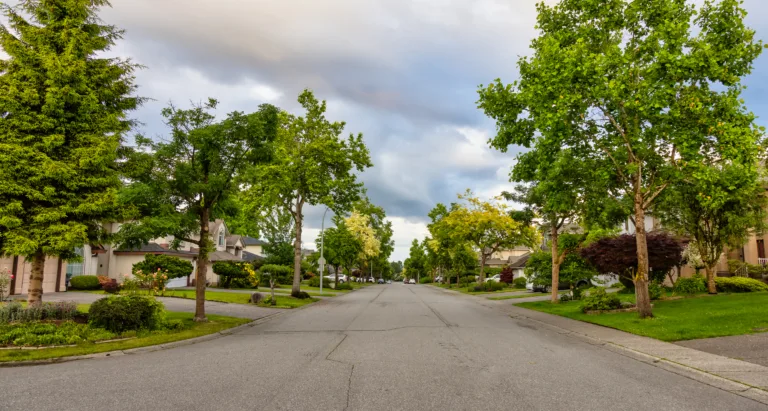

Frequently Asked Questions About Living in Chicago, IL
What neighborhoods are popular for professionals living in Chicago?
Popular neighborhoods for professionals include the Loop, River North, West Loop, and Streeterville, which all offer convenient access to major employers, public transit, and dining. Lakeview and Lincoln Park are also highly sought after for their balance of residential comfort, nightlife, and proximity to the lakefront. Many professionals also choose neighborhoods like Wicker Park, Bucktown, and Logan Square for their vibrant arts scenes, restaurants, and more relaxed residential feel while still being an easy commute to downtown via the CTA.
How is the public transportation system in Chicago?
Chicago has an extensive public transit network operated by the Chicago Transit Authority (CTA), which includes the “L” train system and buses serving the city and some suburbs. Many residents rely on the “L” for commuting to downtown and major neighborhoods, particularly on the Red, Brown, Blue, and Green Lines. Metra commuter rail connects the city to outlying suburbs, making it a practical choice for those living farther from the city center. While many areas are well served by transit, some outer neighborhoods may require a combination of buses, trains, or driving, so it is important to check transit access when choosing a place to live.
What is the cost of living like in Chicago compared to other major U.S. cities?
The cost of living in Chicago is generally lower than in coastal cities such as New York, San Francisco, or Boston, particularly when it comes to housing. However, it is still higher than the national average. Rental prices and home values vary significantly by neighborhood, with downtown and lakefront areas commanding higher rates than many areas on the South or West Sides. Residents should also factor in costs such as city and county sales taxes, property taxes, parking, and transportation. Overall, many people find that Chicago offers a strong balance between urban amenities and relative affordability compared to other large metropolitan areas.
What should new residents know about Chicago’s weather and seasons?
Chicago experiences four distinct seasons, with cold, often snowy winters and warm, humid summers. Winters can be windy, with temperatures frequently falling below freezing and occasional severe cold snaps, so high-quality winter clothing, boots, and layers are important. Spring and fall offer more moderate temperatures but can be unpredictable. Summers are typically pleasant to hot, with many outdoor festivals, lakefront activities, and patio dining options. New residents should also be aware that conditions near Lake Michigan can feel colder in winter and cooler in summer than inland neighborhoods due to the lake effect.
How safe is it to live in Chicago, and how do safety levels vary by area?
Safety in Chicago varies significantly by neighborhood and even by specific blocks within a neighborhood. Some areas, particularly downtown and many North Side neighborhoods, have relatively lower crime rates and see heavy foot traffic, tourism, and business activity. Other areas experience higher rates of violent and property crime. Prospective residents should review recent crime data, visit neighborhoods at different times of day, and speak with local residents or property managers before choosing a place to live. Many people in Chicago feel safe by staying aware of their surroundings, using well-lit routes, and taking common urban safety precautions, particularly when traveling at night or in unfamiliar areas.



latest video

news via inbox
Sign up to get local tips delivered to your inbox.