Best Schools in Torrance, CA
Best Schools In Torrance CA
Choosing the **best schools in Torrance, CA** is a priority for many families seeking strong academics, safe environments, and diverse enrichment opportunities. This coastal city in Los Angeles County is widely recognized for its **high-performing public and private schools**, supported by a community that values education and long-term student success. From award-winning elementary campuses to competitive high schools, Torrance offers a range of options that cater to different learning styles and goals.
In the sections that follow, we will highlight **top-rated Torrance schools**, explore key academic programs, and discuss factors such as test scores, college readiness, and extracurricular activities. By understanding these details, parents and students can make more informed decisions about where to enroll. Ultimately, this guide aims to provide a clear starting point for anyone researching **Torrance schools** and seeking the best possible educational fit in this vibrant South Bay community.
Introduction
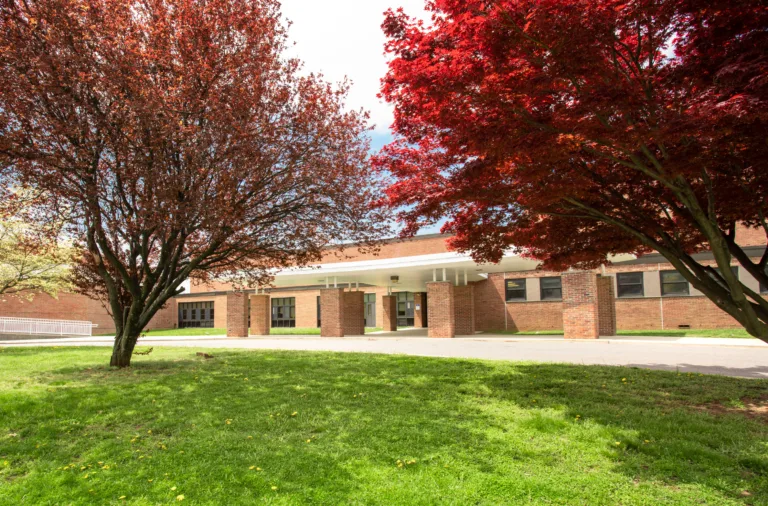
The city of Torrance, CA, is renowned for its strong public education system, diverse community, and commitment to academic excellence. Families considering a move to the South Bay often prioritize Torrance for its top-performing schools and safe neighborhoods. This article highlights some of the best schools in Torrance, CA, focusing on both elementary and secondary options, to help parents make well-informed decisions.
Overview Of Torrance Schools
Torrance is served by the Torrance Unified School District (TUSD), which consistently earns high rankings for student performance, graduation rates, and college readiness. In addition to rigorous academics, Torrance schools offer strong extracurricular programs, advanced placement (AP) courses, and supportive learning environments. When evaluating the best schools in Torrance, factors such as test scores, parent reviews, teacher quality, and campus resources all play a critical role.
Top Elementary Schools In Torrance
For families with younger children, the quality of elementary education is especially important. Torrance is home to several standout elementary schools that emphasize early literacy, mathematics, and social-emotional development, while also maintaining active parent-teacher associations.
| School | Grades | Notable Strengths |
|---|---|---|
| Fern Elementary School | K–5 | Strong test scores, engaged parent community, focus on foundational skills |
| Walteria Elementary School | K–5 | High academic performance, enrichment programs, safe neighborhood setting |
| Victor Elementary School | K–5 | Diverse programs, technology integration, supportive staff |
These elementary schools are well regarded for offering a balanced curriculum that combines core academics with arts, physical education, and character-building initiatives. As a result, students develop a strong foundation for success in middle and high school.
Best Middle Schools In Torrance
As students transition from elementary to secondary education, middle school becomes a crucial period for academic and personal growth. Torrance middle schools are known for their robust course offerings, including honors tracks and STEM-focused electives.
| School | Grades | Key Features |
|---|---|---|
| Bert Lynn Middle School | 6–8 | Strong math and science programs, supportive staff, active clubs |
| Madrone Middle School | 6–8 | Well-rounded curriculum, leadership opportunities, safe campus |
These schools help students prepare for the increasing rigor of high school coursework while nurturing independence and leadership skills. Furthermore, participation in athletics, music, and academic competitions allows students to explore their interests in a structured environment.
Top High Schools In Torrance
High school is often the most decisive stage in a student’s academic journey, and Torrance offers several high-performing campuses recognized for college and career readiness. These schools consistently report impressive graduation rates, AP participation, and acceptance to competitive universities.
| School | Grades | Highlights |
|---|---|---|
| West High School | 9–12 | High test scores, extensive AP offerings, strong athletics and arts |
| South High School | 9–12 | Excellent academic reputation, diverse clubs, supportive community |
| Torrance High School | 9–12 | Historic campus, rigorous academics, career pathways and electives |
These high schools provide a comprehensive educational experience, combining rigorous coursework with guidance counseling, college planning resources, and real-world learning opportunities such as internships and community service.
Conclusion
In summary, Torrance, CA, stands out as a premier destination for families seeking excellent public schools and a supportive educational environment. From high-achieving elementary campuses to nationally recognized high schools, the Torrance Unified School District offers students a clear pathway to academic and personal success. By considering factors such as program offerings, school culture, and community involvement, parents can confidently choose among the best schools in Torrance to find the ideal fit for their child’s needs and long-term goals.
Finding the Best Schools in Torrance, CA: Frequently Asked Questions
How can I identify the top-rated public schools in Torrance, CA?
What should I look for when visiting schools in Torrance?
How do school boundaries and attendance zones work in Torrance?
Are there specialized or magnet programs available in Torrance schools?
How can I evaluate whether a Torrance school is the right fit for my child?



latest video

news via inbox
Sign up to get local tips delivered to your inbox.