
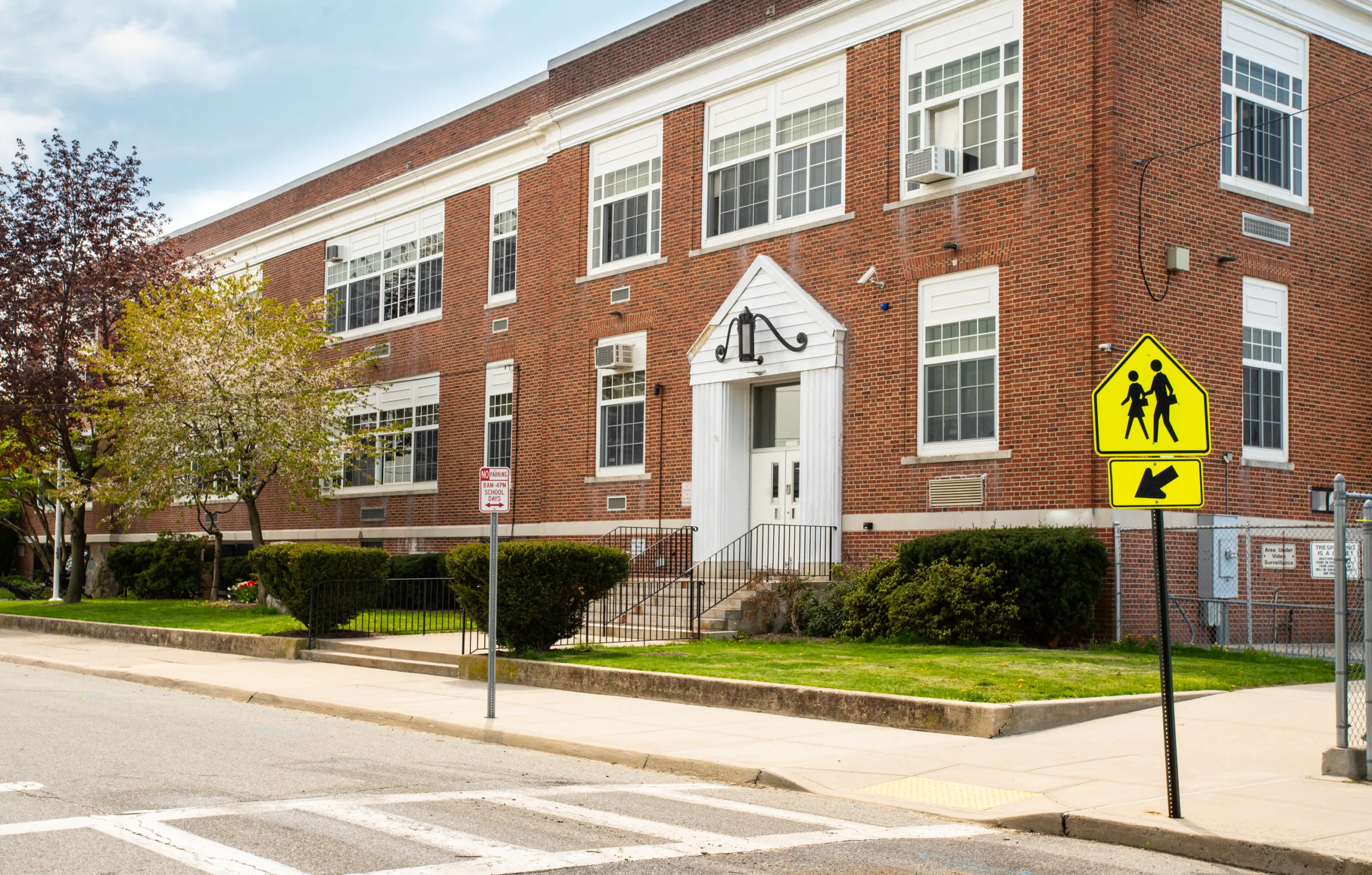
Best Schools in Gardena, CA
Best Schools In Gardena CA
Choosing the right educational institution is essential for families seeking high-quality schools in Gardena, CA. This vibrant South Bay community offers a range of public, private, and charter options that focus on academic excellence, student safety, and college readiness. From innovative STEM programs to supportive early childhood education, Gardena’s top schools are designed to meet diverse learning needs and goals.
As you explore the best schools in Gardena, it is important to consider factors such as test scores, teacher qualifications, extracurricular activities, and parent reviews. In addition, many campuses emphasize small class sizes, individualized instruction, and strong community involvement, helping students thrive both inside and outside the classroom. The following overview will guide you through Gardena’s leading educational choices, highlighting standout programs and distinctive features that make these schools competitive options within the Greater Los Angeles area.
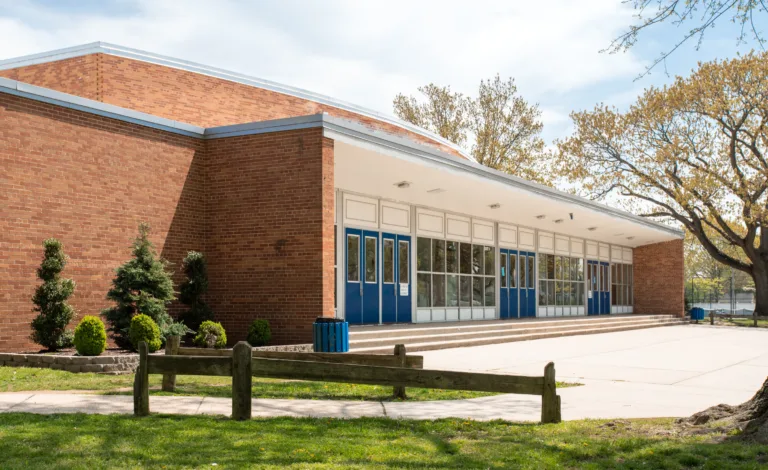

Introduction
Gardena, CA is home to a variety of highly rated public and private schools that provide strong academic programs, dedicated teachers, and supportive learning environments. For families considering a move or current residents evaluating educational options, understanding the best schools in Gardena can make a significant difference in long-term student success. From elementary to high school, Gardena offers institutions that focus on college readiness, STEM education, and well-rounded development.
Top Elementary Schools In Gardena
Several elementary schools in Gardena stand out for their commitment to early literacy, math readiness, and community engagement. These schools often feature small class sizes, after-school tutoring, and enrichment programs that help lay a strong academic foundation. Parents looking for the best elementary schools in Gardena should consider factors such as test scores, teacher experience, and parent reviews to make an informed choice.
Below is a helpful overview of some notable elementary options in and around Gardena:
| School Name | Grades Served | Key Strengths |
|---|---|---|
| 156th Street Elementary School | K–5 | Strong reading programs, community participation, dedicated staff |
| 186th Street Elementary School | K–5 | Solid math instruction, enrichment clubs, supportive environment |
| Gardena Elementary School | K–5 | Focus on foundational skills, caring teachers, inclusive programs |
Best Middle Schools And Transitional Options
As students move into higher grades, middle schools in Gardena emphasize academic rigor, character development, and preparation for high school. Schools like Peary Middle School and Gardena Middle School provide core subjects, honors classes, and extracurricular activities such as sports, band, and technology clubs. These programs support a smoother transition from elementary to high school while nurturing leadership and social skills.
For families interested in specialized learning, some middle schools partner with local organizations to offer STEM initiatives and college awareness programs. This early exposure encourages students to set goals and develop a clear academic path before entering high school.
Top High Schools In Gardena
When it comes to secondary education, Gardena High School is one of the city’s most recognized institutions. Serving grades 9–12, it offers Advanced Placement (AP) courses, career and technical education pathways, and a variety of clubs and athletic teams. The school’s diverse student body and active counseling department help students explore college, vocational training, and military options after graduation.
Nearby, other high schools within the Los Angeles Unified School District and neighboring districts also serve Gardena residents. These campuses may offer specialized academies in engineering, health sciences, or the arts, giving students multiple ways to pursue their interests and strengthen their college applications.
| High School | Programs Offered | Notable Features |
|---|---|---|
| Gardena High School | AP courses, CTE pathways, athletics, arts | College counseling, diverse clubs, community partnerships |
Private And Charter School Options
In addition to public schools, Gardena features several private and charter options that appeal to families seeking alternative educational models. Local private schools may offer faith-based education, smaller class sizes, and individualized learning plans. Meanwhile, charter schools often emphasize project-based learning, technology integration, or college-preparatory curricula.
These alternative options can be particularly attractive for parents who want a more tailored approach to education. When evaluating private and charter schools in Gardena, families should review accreditation status, curriculum focus, and tuition or enrollment requirements to ensure the best fit for their child.
Conclusion
From strong elementary programs to comprehensive high school offerings, the best schools in Gardena, CA provide families with a wide range of educational choices. By carefully considering academic performance, special programs, and school culture, parents can identify the campus that best aligns with their child’s needs and long-term goals. Ultimately, Gardena’s diverse mix of public, private, and charter schools helps students build the skills, confidence, and knowledge required to s\\ucceed in college, careers, and beyond.
Finding the Best Schools in Gardena, CA: Frequently Asked Questions
How can I identify the top-rated public schools in Gardena, CA?
To identify top-rated public schools in Gardena, review performance data from the California School Dashboard and the Los Angeles Unified School District (LAUSD) reports, focusing on academic achievement, graduation rates, and college readiness indicators. Compare standardized test scores, English language proficiency results, and student growth metrics over several years rather than a single year. In addition, examine school accountability reports, accreditation status, and any state or district recognitions or awards. You should also note the availability of advanced placement (AP) courses, honors classes, and specialized programs such as STEM or dual-language immersion, as these can indicate a strong academic environment. Finally, consider visiting school campuses, attending open houses, and speaking with administrators, teachers, and current parents to gain firsthand perspectives on school culture, classroom quality, and leadership stability.
What factors should I consider when comparing schools in Gardena beyond test scores?
When comparing schools in Gardena, look beyond standardized test scores to obtain a more complete picture of school quality. Evaluate the student-to-teacher ratio and average class size, as smaller classes may allow for more individualized attention. Review teacher qualifications, including years of experience, credential status, and ongoing professional development opportunities. Consider the range and quality of extracurricular activities, such as athletics, arts, music, and clubs, which support social and emotional development. Examine the school’s safety record, disciplinary policies, and campus climate surveys, if available, to understand how effectively the school manages behavior and promotes respect. It is also important to assess the availability of support services, including counseling, special education, English learner programs, and college and career counseling for older students. Finally, look for evidence of strong communication between the school and families, such as regular progress updates, accessible administrators, and active parent organizations.
How do school boundaries and enrollment options work in Gardena, CA?
In Gardena, most public school assignments are determined by residential boundaries within the Los Angeles Unified School District or local districts that serve the area. Each address is linked to a designated neighborhood elementary, middle, and high school, and you can confirm your assigned school by using the district’s online school finder tools or contacting the district directly. However, families may also have alternative enrollment options. These can include magnet programs, specialized academies, or schools of choice that accept students from outside their immediate attendance area through an application or lottery process. In some cases, inter-district or intra-district permits may allow students to attend a school in a different zone, subject to capacity and district approval. Private and charter schools in and around Gardena typically set their own admissions criteria and deadlines, so it is important to research each school’s process early and verify requirements, such as applications, interviews, or assessments.
What resources can I use to research and compare Gardena schools online?
To research Gardena schools online, start with official sources such as the Los Angeles Unified School District website and the California Department of Education’s DataQuest portal, which provide school profiles, accountability data, and performance dashboards. The California School Dashboard offers color-coded indicators for academic performance, graduation, suspension rates, and college and career readiness. Third-party school review platforms can supplement this information with parent and student reviews, demographic data, and ratings, but these should be interpreted alongside official data rather than used on their own. Many schools maintain their own websites with details about academic programs, extracurricular offerings, staff directories, calendars, and newsletters. You can also check local community forums, city websites, and parent-teacher organization pages for additional insights into school events, family engagement, and community partnerships. When reviewing any online information, verify that the data is current and, when possible, cross-check details across multiple sources.
How can I evaluate whether a Gardena school is a good fit for my child’s needs?
Evaluating school fit in Gardena involves aligning your child’s academic, social, and personal needs with each school’s strengths and environment. Begin by clarifying your priorities, such as strong college preparation, robust special education services, support for English learners, or emphasis on arts, technology, or vocational programs. When you visit schools, observe classroom interactions, how teachers engage students, and the overall tone of the campus. Ask about intervention and enrichment options, including tutoring, gifted programs, and advanced coursework, as well as how the school supports students who are struggling. It is also helpful to inquire about communication practices, such as how often teachers share progress updates and how easy it is to meet with staff. Consider your child’s learning style, personality, and interests, and whether the school offers the right mix of structure, support, and opportunities for involvement. After gathering information, discuss options with your child, weigh the strengths and trade-offs of each school, and, if possible, talk with families who have children currently enrolled to gain practical, day-to-day perspectives.



latest video

news via inbox
Sign up to get local tips delivered to your inbox.