
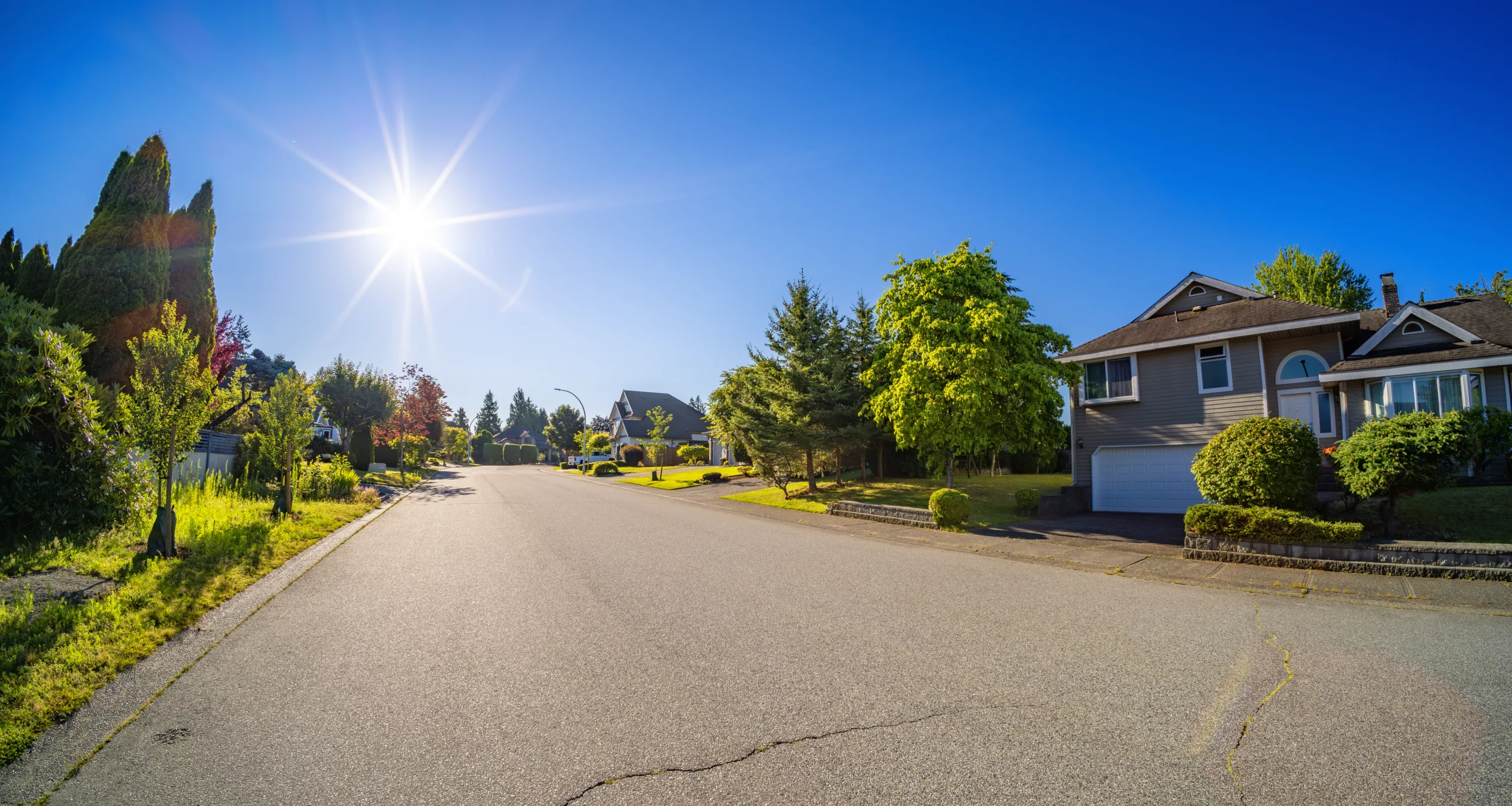
Salary, Cost of Living & Best Neighborhoods in San Pedro, CA
San Pedro, CA
Salary And Cost Of Living In San Pedro CA
San Pedro, CA is a vibrant waterfront community within the City of Los Angeles, known for its historic port, scenic coastal views, and close-knit neighborhoods. For individuals and families considering a move, understanding the salary expectations and overall cost of living in San Pedro, California is essential. From average wages and housing prices to neighborhood options and schools, the following guide provides a detailed overview to help you make informed decisions.
Average Salary In San Pedro CA
The average salary in San Pedro, CA is influenced by its proximity to the Port of Los Angeles, the greater Los Angeles job market, and a mix of blue-collar and professional occupations. Many residents work in transportation, logistics, education, healthcare, and public sector roles. While exact earnings vary by industry and experience, San Pedro generally tracks close to the broader Los Angeles metro area averages.
Below is an illustrative overview of common salary ranges in San Pedro, CA:
| Job Category (San Pedro CA) | Typical Salary Range (Annual) | Notes |
|---|---|---|
| Port & Maritime Operations | $55,000 – $95,000 | Reflects port workers, logistics coordinators, and maritime support roles. |
| Healthcare Professionals | $60,000 – $120,000 | Ranges from nurses and therapists to specialized practitioners. |
| Education & Public Sector | $50,000 – $100,000 | Includes teachers, counselors, and municipal employees. |
| Retail & Hospitality | $35,000 – $55,000 | Common in the downtown waterfront and tourist areas. |
| Professional & Technical Services | $70,000 – $130,000+ | Includes engineers, IT professionals, and managers. |
Overall, residents who work locally or commute to other parts of Los Angeles often find that San Pedro salaries can support a comfortable lifestyle, especially when combined with dual-income households and careful budgeting.
Cost Of Living In San Pedro CA
The cost of living in San Pedro, CA is somewhat lower than many westside and coastal Los Angeles neighborhoods, yet still reflects the realities of living in Southern California. Housing is the largest expense, followed by transportation, groceries, and healthcare. When compared to the U.S. average, San Pedro tends to be more expensive, but it can be more attainable than areas like Santa Monica, Manhattan Beach, or Downtown LA.
The following table highlights an approximate comparison of San Pedro cost of living indices against the national average:
| Cost Category (San Pedro CA) | Index vs. US Average (100) | Comment |
|---|---|---|
| Overall Cost Of Living | 135 – 145 | Higher than national average, typical for coastal Southern California. |
| Housing | 170 – 190 | Largest driver of expenses; still lower than many LA coastal neighborhoods. |
| Groceries | 110 – 120 | Moderately higher than the U.S. average. |
| Transportation | 120 – 130 | Reflects fuel costs, insurance, and commuting distances. |
| Healthcare | 105 – 115 | Comparable to the broader Los Angeles region. |
| Utilities | 95 – 105 | Relatively stable due to mild coastal climate. |
When evaluating the cost of living in San Pedro, California, it is important to factor in lifestyle choices such as dining out, recreation, and commuting patterns. Many residents find that choosing the right neighborhood and housing type can make San Pedro’s cost of living manageable while still enjoying access to beaches, parks, and community amenities.
Average Home Values And Rents In San Pedro CA
Housing is central to any cost-of-living analysis, and San Pedro real estate has grown steadily in value due to its coastal location and ongoing revitalization efforts. The area includes a mix of single-family homes, condos, townhomes, and apartment buildings, providing options for different budgets.
The table below provides a snapshot of average home values and rents in San Pedro, CA compared to nearby Los Angeles areas:
| Housing Type (San Pedro CA) | Typical Price / Rent | Notes |
|---|---|---|
| Median Single-Family Home Value | $800,000 – $950,000 | View homes and coastal properties can exceed $1 million. |
| Median Condo / Townhome Value | $550,000 – $750,000 | Popular among first-time buyers and downsizers. |
| Average 1-Bedroom Apartment Rent | $1,900 – $2,400 per month | Varies by proximity to the waterfront and amenities. |
| Average 2-Bedroom Apartment Rent | $2,400 – $3,000 per month | Often in mid-size complexes or small multi-unit buildings. |
| Average 3-Bedroom Home Rent | $3,000 – $3,800 per month | Single-family rentals are in steady demand. |
For buyers and renters evaluating housing in San Pedro, California, it is wise to consider not only price but also potential appreciation, commute times, and access to neighborhood amenities such as parks, schools, and shopping.
Best Neighborhoods In San Pedro CA
San Pedro offers several distinct neighborhoods, each with its own character, price point, and advantages. Choosing the best neighborhoods in San Pedro, CA depends on your priorities, whether that is walkability, ocean views, school access, or budget considerations.
| Neighborhood (San Pedro CA) | Key Features | Typical Housing Costs |
|---|---|---|
| Vista Del Oro | Tree-lined streets, single-family homes, close to schools and parks. | Home prices often range from the mid-$800,000s to over $1 million. |
| Point Fermin / South Shores Area | Cliffside views, proximity to Point Fermin Park and coastal trails. | View properties can command a premium; prices frequently exceed $1 million. |
| Upper San Pedro | Mix of older homes and updated properties, convenient to freeways and shopping. | More varied pricing, useful for buyers seeking relative affordability. |
| Harbor Highlands & Miraleste Adjacent Areas | More suburban setting, hillside views, quieter residential streets. | Homes often in the high-$800,000 to $1.1 million range, depending on size and condition. |
| Downtown / Waterfront San Pedro | Condos, loft-style units, walkable to restaurants, art galleries, and the port. | Condo prices and rents vary; some options can be comparatively more attainable. |
Exploring multiple San Pedro neighborhoods allows potential residents to balance commute needs, lifestyle preferences, and budget. The community feel, coastal climate, and ongoing development at the LA Waterfront continue to enhance the area’s appeal.
Schools And Education In San Pedro CA
For families, the quality of schools in San Pedro, CA is an important factor in evaluating both livability and long-term value. San Pedro is served primarily by the Los Angeles Unified School District (LAUSD), along with several charter and private school options. Educational offerings range from neighborhood elementary schools to specialized magnet programs and a local community college campus nearby.
The table below provides a general overview of the education landscape in San Pedro, California:
| School Type (San Pedro CA) | Examples | Highlights |
|---|---|---|
| Public Elementary Schools | Examples include local LAUSD neighborhood schools. | Offer standard curricula; some feature dual-language or STEAM programs. |
| Middle Schools | Serves grades 6–8 for the broader San Pedro area. | Feeder schools into local high schools with academic and athletic programs. |
| High Schools | San Pedro High School and specialized academies. | Provide college-prep tracks, career-oriented pathways, and extracurricular activities. |
| Charter & Magnet Schools | STEM-focused and arts-focused programs in and around San Pedro. | Offer alternative curricula and thematic learning environments. |
| Private & Parochial Schools | Faith-based and independent schools serving K–8 and high school students. | Smaller class sizes and specialized educational approaches. |
Parents researching San Pedro schools should review current ratings, tour campuses when possible, and consider factors such as commute time, extracurricular offerings, and special programs.
Living In San Pedro CA Final Thoughts
Evaluating the salary and cost of living in San Pedro, CA requires looking holistically at income potential, housing prices, daily expenses, and the community environment. While the cost of living is higher than the national average, San Pedro often presents a more attainable entry point into coastal Los Angeles living, with diverse housing options and strong ties to port-related employment and regional job centers.
By carefully comparing average salaries, home values, rents, neighborhoods, and schools in San Pedro, California, prospective residents can determine whether this historic waterfront community aligns with their financial goals and lifestyle preferences. For many, the combination of ocean views, cultural heritage, and evolving waterfront development makes San Pedro a compelling place to call home in Southern California.
Frequently Asked Questions About Living in San Pedro, CA
What is it like to live in San Pedro, CA?
How is the cost of living and housing in San Pedro?
What are the transportation and commute options in San Pedro?
What amenities, recreation, and cultural attractions are available in San Pedro?
Is San Pedro a good place for families and long-term residents?



latest video

news via inbox
Sign up to get local tips delivered to your inbox.