
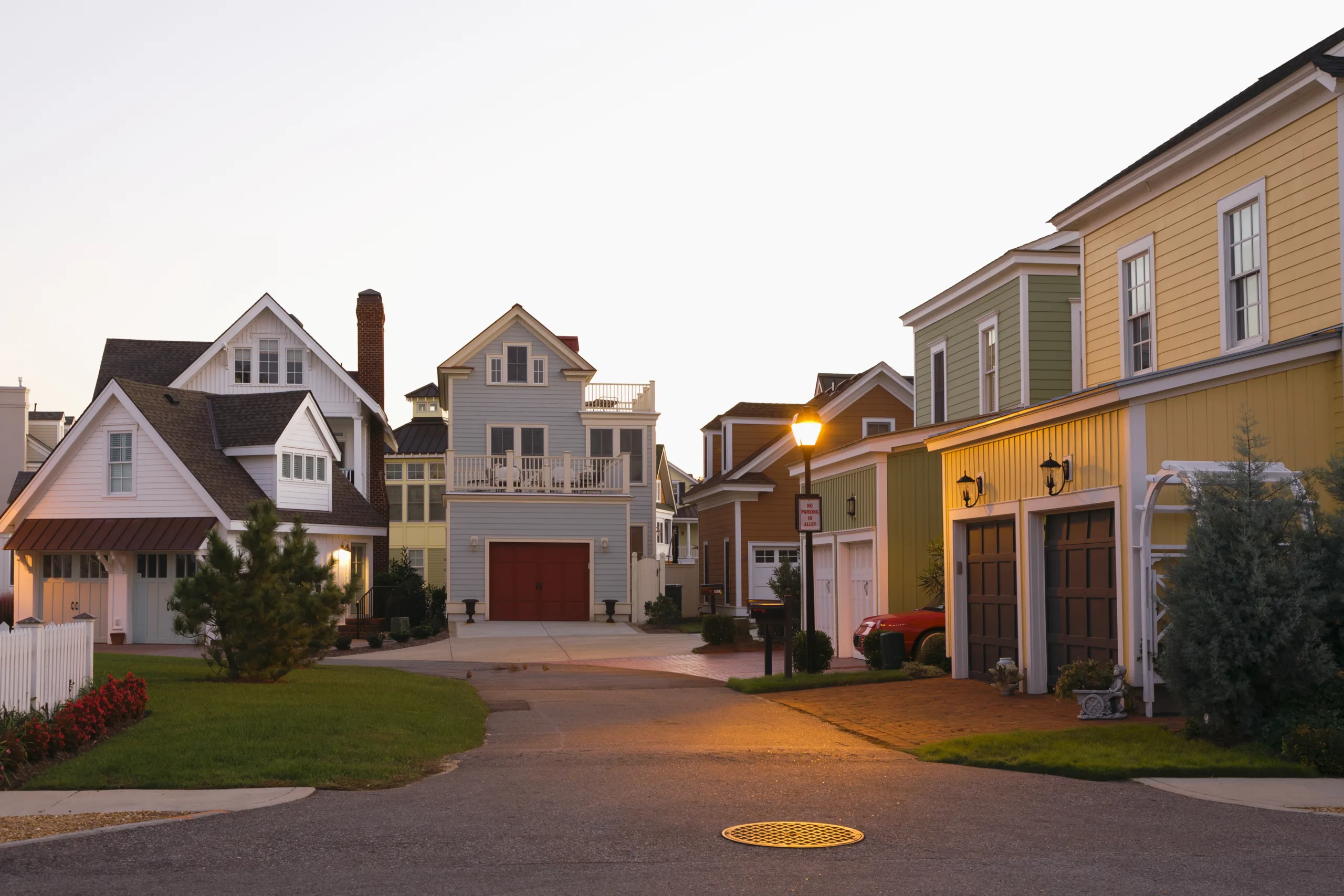
Salary, Cost of Living & Best Neighborhoods in Inglewood, CA
Inglewood, CA
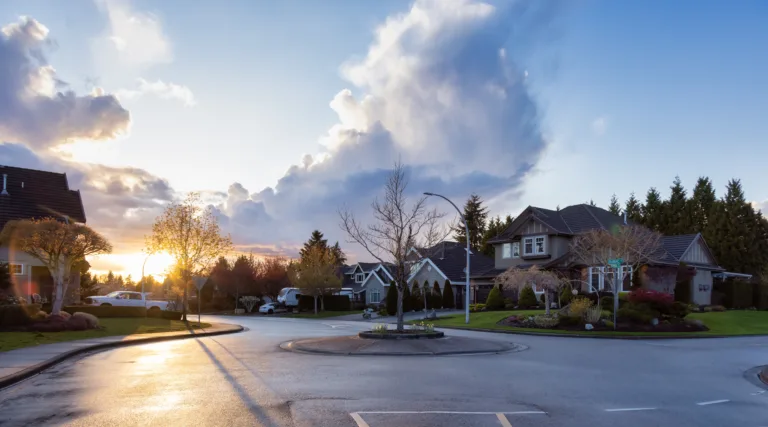
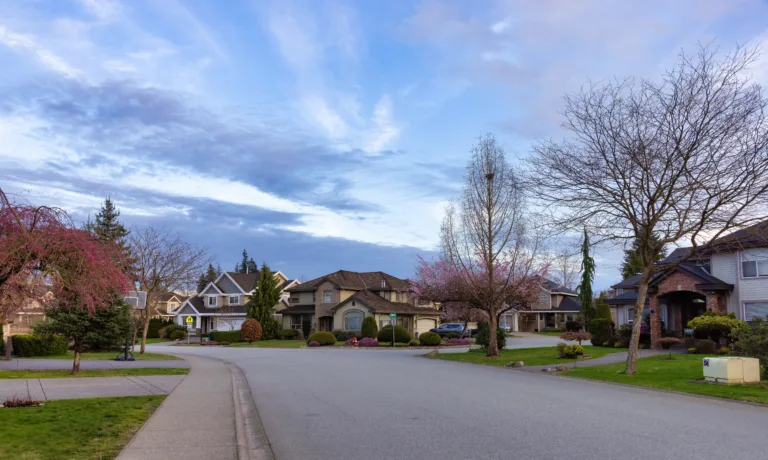
Salary And Cost Of Living In Inglewood CA
Inglewood, CA, has transformed dramatically in recent years, driven by major developments such as SoFi Stadium and the upcoming people mover connecting to Los Angeles International Airport (LAX). As a result, many professionals and families are evaluating whether living in Inglewood makes financial sense. Understanding the average salary, cost of living, housing market, neighborhoods, and schools in Inglewood, California is essential for making an informed decision about relocating or investing in this rapidly evolving city.
Average Salary In Inglewood CA
When considering a move, the average salary in Inglewood, CA is a critical factor. Inglewood’s proximity to Los Angeles, El Segundo, and Culver City provides access to a wide range of jobs, from entertainment and technology to logistics and healthcare.
The following table summarizes estimated average annual salaries in Inglewood, California for common roles (rounded figures and subject to change):
| Job Type (Inglewood CA) | Estimated Average Salary |
|---|---|
| Administrative / Office Support | $40,000 – $50,000 |
| Retail & Customer Service | $32,000 – $42,000 |
| Skilled Trades (Construction, Electrician, etc.) | $50,000 – $70,000 |
| Healthcare (Nurse, Technician) | $60,000 – $85,000 |
| Education (Teacher, Counselor) | $55,000 – $80,000 |
| Professional Services (IT, Finance, Marketing) | $70,000 – $110,000+ |
Overall, the median household income in Inglewood, CA generally trails the broader Los Angeles County median but has been trending upward as new employers and developments arrive. For residents, this means improving economic opportunities but also increased competition and rising prices in many sectors.
Cost Of Living In Inglewood CA
The cost of living in Inglewood, California is notably higher than the national average, though it can be slightly lower than some neighboring coastal areas like Santa Monica or Manhattan Beach. Housing remains the largest expense, but transportation, utilities, and groceries also contribute significantly.
The following table provides an approximate comparison of core monthly expenses for a single person living in Inglewood, CA (excluding income taxes):
| Expense Category (Inglewood CA) | Estimated Monthly Cost |
|---|---|
| Rent (1-Bedroom Apartment) | $1,800 – $2,400 |
| Utilities (Electric, Gas, Water, Trash) | $120 – $190 |
| Internet & Mobile Phone | $90 – $150 |
| Groceries & Household Items | $350 – $550 |
| Transportation (Gas / Metro / Rideshare) | $150 – $300 |
| Dining Out & Entertainment | $150 – $300 |
Because the cost of living in Inglewood, CA is closely tied to the broader Los Angeles economy, residents benefit from access to regional amenities but must also budget carefully. Those who commute to higher-paying jobs in nearby cities may find that Inglewood offers a relatively more accessible entry point into the tight Southern California housing market.
Average Home Values And Rents In Inglewood CA
The real estate market in Inglewood, CA has experienced strong growth, particularly with the development around SoFi Stadium and Hollywood Park. As the city continues to modernize, both home values and rents in Inglewood have risen steadily, narrowing the gap with more established Los Angeles neighborhoods.
The table below outlines approximate average home prices and rental rates in Inglewood, California (figures are general estimates and can fluctuate with market conditions):
| Housing Type (Inglewood CA) | Estimated Price / Rent |
|---|---|
| Median Single-Family Home Value | $750,000 – $900,000 |
| Median Condo / Townhome Value | $550,000 – $700,000 |
| Average Rent – Studio Apartment | $1,500 – $1,900 per month |
| Average Rent – 1-Bedroom Apartment | $1,800 – $2,400 per month |
| Average Rent – 2-Bedroom Apartment | $2,200 – $3,000 per month |
These values highlight that Inglewood, CA home prices now reflect its growing status as a major entertainment and transportation hub. For investors, this can signal strong long-term potential. For renters and first-time buyers, it underscores the importance of careful financial planning and exploring different neighborhoods within the city.
Best Neighborhoods In Inglewood CA
Choosing where to live within Inglewood is just as important as understanding salaries and expenses. The best neighborhoods in Inglewood, California vary by lifestyle, proximity to transit, and housing type. While Inglewood is relatively compact, each area has its own character.
The following table offers an overview of several notable Inglewood CA neighborhoods and their general appeal:
| Neighborhood (Inglewood CA) | Key Features |
|---|---|
| Morningside Park | Tree-lined streets, primarily single-family homes, convenient to SoFi Stadium and major freeways. |
| Inglewood Knolls | Residential neighborhood with a mix of homes and apartments, offering relative affordability within the city. |
| Centinela Heights | Primarily residential, with convenient access to Ladera Heights, Westchester, and nearby job centers. |
| Downtown Inglewood / Civic Center | Close to the K Line (Crenshaw Line) Metro station, revitalizing commercial corridors, and city services. |
| Hollywood Park Area | Newer mixed-use development near SoFi Stadium, with modern apartments, entertainment, and dining. |
For those who value walkability and transit access in Inglewood, CA, areas near the Metro K Line stations and the developing transit corridors can be especially attractive. On the other hand, families seeking quieter streets and larger yards may prefer neighborhoods like Morningside Park or Centinela Heights.
Schools And Education In Inglewood CA
Education is a crucial consideration for families evaluating the quality of life in Inglewood, California. The city is primarily served by the Inglewood Unified School District, with a range of elementary, middle, and high schools, as well as nearby charter and private options.
The table below highlights representative school options in and around Inglewood, CA (not a comprehensive list, and performance ratings can change over time):
| School (Inglewood CA Area) | Type | Notes |
|---|---|---|
| Inglewood High School | Public High School | Long-standing local high school offering athletics and extracurricular programs. |
| Morningside High School | Public High School | Serves students from several Inglewood neighborhoods; continually working to improve outcomes. |
| La Tijera K–8 Academy of Excellence | Public K–8 School | Offers K–8 education with an emphasis on academic achievement and preparation for high school. |
| City Honors International Preparatory School | Public / Magnet High School | Focuses on college preparation and international-themed curricula. |
| Various Charter & Private Schools Nearby | Charter / Private | Families often explore options in nearby Westchester, Hawthorne, and Los Angeles. |
Because school performance and offerings can change, families considering a move to Inglewood, CA should review current school ratings, visit campuses when possible, and speak with local parents for up-to-date perspectives.
Living In Inglewood CA Is It Worth The Cost
Balancing the salary potential in Inglewood, CA with the cost of living, housing prices, and school options is essential for anyone considering a move. Inglewood offers a compelling mix of opportunities: a central location near LAX and major freeways, access to regional job markets, and a rapidly expanding entertainment district anchored by SoFi Stadium.
However, as the city grows in prominence, rents and home values in Inglewood, California continue to climb, making budgeting and long-term financial planning more important than ever. Those who can leverage higher regional salaries while securing housing at a manageable cost may find Inglewood to be a strategic and vibrant home base within the greater Los Angeles area.
Ultimately, determining whether living in Inglewood, CA is right for you depends on your income level, lifestyle preferences, and long-term goals. By carefully analyzing average salaries, current housing costs, neighborhood characteristics, and local schools, you can make a well-informed decision and position yourself to benefit from Inglewood’s ongoing growth and transformation.
Frequently Asked Questions About Living in Inglewood, CA
Is Inglewood, CA a good place to live for commuters working in Los Angeles?
Inglewood is well-suited for commuters who work in Los Angeles or surrounding areas. It offers relatively quick access to major freeways, including the I-405, I-105, and I-10, which connect to key job centers in Downtown Los Angeles, the Westside, and the South Bay. Public transportation options include Metro bus lines and nearby Metro rail connections via the K Line and Green Line stations, which can reduce reliance on driving. Proximity to Los Angeles International Airport (LAX) is also a significant advantage for residents who travel frequently for work. While traffic can be heavy during peak hours, Inglewood’s central location generally makes commuting more manageable compared with many outlying suburbs in the region.
What is the cost of living like in Inglewood compared to other parts of Los Angeles County?
The cost of living in Inglewood is generally lower than in many Westside and coastal areas of Los Angeles County, but it is still higher than the national average. Housing is typically more affordable than in neighborhoods such as Santa Monica, Culver City, or West Hollywood, though prices have risen in recent years due to redevelopment and new venues like SoFi Stadium and the Kia Forum. Renters can usually find a range of apartments and smaller homes at prices that are comparatively moderate for the region. Everyday expenses such as groceries, transportation, and utilities are similar to those in much of urban Los Angeles. Prospective residents should budget carefully for housing, as it remains the largest expense for most households in Inglewood.
What is it like to live near SoFi Stadium and other major entertainment venues in Inglewood?
Living near SoFi Stadium, the Kia Forum, and the developing entertainment district offers convenient access to concerts, professional sports, and special events. Residents benefit from new restaurants, retail, and public spaces that have emerged as part of the area’s revitalization. At the same time, event days can bring increased traffic, congestion, and limited street parking in surrounding neighborhoods. The city has implemented residential permit parking and traffic management plans in many areas to help minimize disruptions. Noise levels may be higher during major events, so those sensitive to crowd activity or traffic should consider locations slightly farther from the stadium complex. Overall, many residents view the venues as a positive force for local investment and amenities, with the understanding that they also bring a busier environment.
What types of housing and neighborhoods are available in Inglewood?
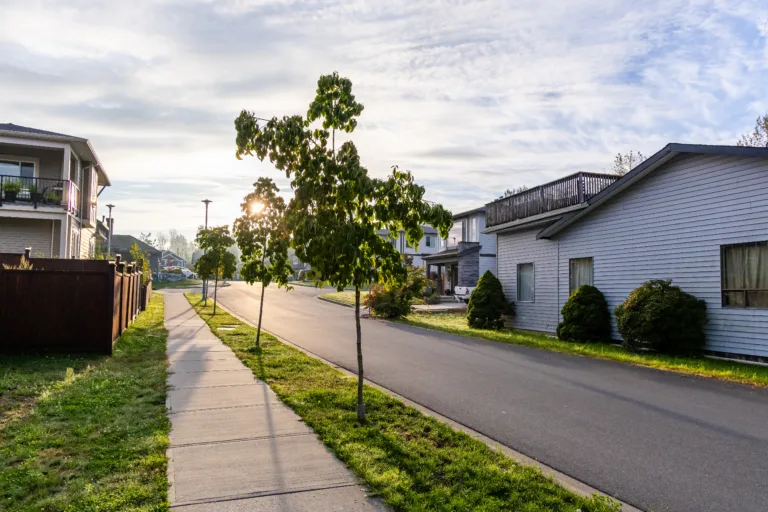
Inglewood offers a mix of housing options, including single-family homes, duplexes, small apartment buildings, and larger multifamily complexes. Many neighborhoods feature mid-century homes on tree-lined streets, while newer developments near the stadium and transit corridors provide more contemporary apartments and townhomes. Areas such as Morningside Park and the northern parts of the city are known for residential streets with a more suburban feel, whereas zones closer to major boulevards and the downtown Inglewood area have a more urban character. Prospective residents can choose from quiet residential blocks, transit-oriented areas near Metro stations, or locations close to the entertainment district, depending on their lifestyle and budget preferences.
What local amenities, schools, and community resources does Inglewood offer residents?
Inglewood provides a range of amenities and community resources, including city parks, recreation centers, libraries, and cultural venues. Residents have access to sports fields, playgrounds, and community programs for youth, adults, and seniors. The Inglewood Public Library system offers educational resources and events, while local arts initiatives and community gatherings foster neighborhood engagement. Public schools are primarily served by the Inglewood Unified School District, with several elementary, middle, and high schools in the area, as well as charter and private school options nearby. Shopping centers, grocery stores, and a variety of dining options are spread throughout the city, and major regional malls and employment centers are a short drive away. For healthcare, residents can access local clinics, medical offices, and larger hospitals in adjacent cities within the greater Los Angeles area.



latest video

news via inbox
Sign up to get local tips delivered to your inbox.